
Electronic wind instruments play a multifaceted role in cross-cultural music communication:
Sound Simulation and Adaptability:
Rich Palette of Sounds: They can mimic a vast array of instrument sounds from different cultures, such as the sound of a Chinese erhu, a Western violin, or a Middle Eastern ney. This allows musicians to explore and incorporate diverse musical elements into their compositions and performances, breaking down the barriers of traditional instrument limitations.
Customization and Flexibility: Musicians can adjust and customize the sounds to suit the specific requirements of different musical styles, enabling seamless integration of various cultural sounds within a single piece of music.
Accessibility and Ease of Learning:
Lower Barrier to Entry: Compared to some traditional instruments that require years of dedicated practice to master, electronic wind instruments are relatively easier to pick up and start playing. This makes them accessible to a wider range of people, including those from different cultural backgrounds who may not have extensive musical training.
Quick Adaptation for Different Styles: The ease of learning allows musicians to quickly adapt to playing music from various cultures. They can experiment with different musical genres and styles, facilitating cross-cultural musical exploration and understanding.
Portability and Convenience:
Easy to Transport: Electronic wind instruments are often lightweight and portable, making them convenient for musicians to carry and perform in different cultural settings. This enables cross-cultural music exchanges to take place more easily, whether in international music festivals, cultural events, or informal gatherings.
Versatile in Different Venues: Their adaptability to different power sources and the ability to connect to external sound systems make them suitable for a wide range of performance venues, from small intimate spaces to large concert halls, further enhancing the possibilities for cross-cultural music communication.
Integration with Technology and Modern Music Production:
Digital Connectivity: They can be easily connected to computers, tablets, and other digital devices, enabling seamless integration with modern music production software. This allows musicians to incorporate cross-cultural music elements into digital compositions, recordings, and live performances, reaching a wider audience through various digital platforms.
Experimentation with New Sounds and Effects: The integration with technology allows for experimentation with various sound effects and processing, adding a modern and innovative touch to cross-cultural music creations. Musicians can explore new sonic landscapes and create unique musical experiences that blend different cultural sounds with modern electronic music elements.
Cultural Exchange and Appreciation:
Introduction to Different Musical Traditions: By playing electronic wind instruments that can produce sounds from various cultures, musicians and listeners are exposed to different musical traditions, styles, and aesthetics. This promotes cultural exchange and appreciation, helping to break down cultural barriers and foster a deeper understanding and respect for different cultures through the medium of music.
Collaboration and Fusion: Electronic wind instruments provide a platform for musicians from different cultural backgrounds to collaborate and create music together. This leads to the fusion of different musical elements and the birth of new musical forms that incorporate the best of various cultures, further enriching the landscape of cross-cultural music communication.
Educational Tool for Cross-Cultural Music Learning:
In Schools and Music Programs: They can be used in music education settings to introduce students to the sounds and music of different cultures. This helps to broaden students' musical horizons, enhance their cultural awareness, and develop their appreciation for the diversity of world music.
Online Learning and Resources: With the availability of online tutorials, courses, and resources, people from all over the world can learn to play electronic wind instruments and explore cross-cultural music at their own pace and convenience. This promotes cross-cultural music learning and sharing on a global scale.
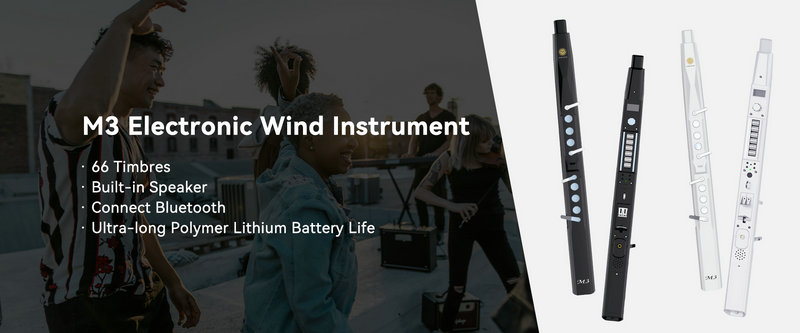
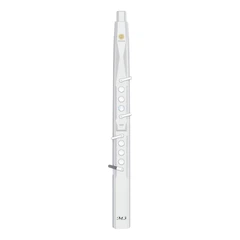
SUNRISE MELODY M3 Electronic Wind Instrument - The best-selling Electronic Wind Instrument
. 66 Timbres
. Built-in Speaker
. Connect Bluetooth
. Ultra-long Polymer Lithium Battery Life