

The sustainable development and environmental friendliness of electronic wind instruments can be evaluated from the following aspects:
1. Material selection
Use of recyclable materials: Many modern electronic wind instruments are made from materials that have high recyclability, such as certain types of plastics and metals. These materials can be recycled and reused at the end of the instrument's life cycle, reducing the amount of waste sent to landfills. For example, the outer casing of some electronic wind instruments is made from recyclable plastic, which helps to minimize the environmental impact of the product.
Reduction of hazardous materials: Manufacturers are increasingly aware of the need to reduce the use of hazardous materials in the production of electronic wind instruments. This includes avoiding the use of substances such as lead, mercury, and cadmium, which can be harmful to the environment and human health if not properly disposed of. By using more environmentally friendly materials, the environmental safety of the production process is enhanced.
2. Energy consumption during use
Low-power design: Electronic wind instruments are designed to consume relatively low amounts of power. Advanced electronic components and energy-efficient circuits are used to ensure that the instrument operates with minimal energy consumption. This not only extends the battery life of the instrument (if it is battery-powered), but also reduces the overall energy demand during use, which is beneficial for the environment. For instance, some electronic wind instruments use low-power microprocessors and optimized power management systems to achieve energy savings.
Energy-saving modes: Many electronic wind instruments have energy-saving modes that can be activated when the instrument is not in use for a certain period of time. These modes automatically reduce the power consumption of the instrument, further conserving energy. This feature is particularly useful for musicians who may forget to turn off the instrument after using it, helping to minimize unnecessary energy waste.
3. Lifespan and durability
High-quality construction: Electronic wind instruments are built to be durable and long-lasting. The use of high-quality materials and advanced manufacturing processes ensures that the instrument can withstand the rigors of regular use, reducing the need for frequent replacements. A longer lifespan means that fewer instruments need to be produced over time, which in turn reduces the environmental impact associated with the manufacturing and disposal of these products.
Repairability and upgradability: Some electronic wind instruments are designed to be easily repairable and upgradable. This allows users to repair the instrument when it is damaged or to upgrade its components to improve its performance, rather than having to replace the entire instrument. By extending the useful life of the instrument through repair and upgrade, the environmental footprint of the product is reduced.
4. Production process
Efficient manufacturing processes: Manufacturers are constantly exploring and implementing more efficient manufacturing processes to reduce the environmental impact of production. This includes optimizing the use of raw materials, reducing waste generation, and improving energy efficiency in the manufacturing plant. For example, using lean manufacturing principles and advanced production technologies can help to minimize material waste and energy consumption during the production process.
Sustainable supply chain: A sustainable supply chain is also an important aspect of the environmental friendliness of electronic wind instruments. Manufacturers are working with suppliers to ensure that the materials and components used in the production of the instruments are sourced in an environmentally responsible manner. This may involve choosing suppliers that adhere to strict environmental standards, using renewable energy in the production process, or implementing sustainable packaging solutions.
5. Environmental awareness in the industry
Industry initiatives: The musical instrument industry as a whole is becoming more aware of the importance of sustainable development and environmental friendliness. There are various industry initiatives and organizations that are promoting the use of sustainable materials and manufacturing processes in the production of musical instruments, including electronic wind instruments. These initiatives help to raise awareness among manufacturers and consumers about the environmental impact of musical instruments and encourage the adoption of more sustainable practices.
Consumer education: Consumer education also plays a crucial role in promoting the sustainable development of electronic wind instruments. By educating consumers about the environmental benefits of choosing environmentally friendly products, manufacturers can encourage consumers to make more sustainable choices when purchasing electronic wind instruments. This can lead to increased demand for products that meet higher environmental standards, which in turn can drive the industry towards more sustainable development.
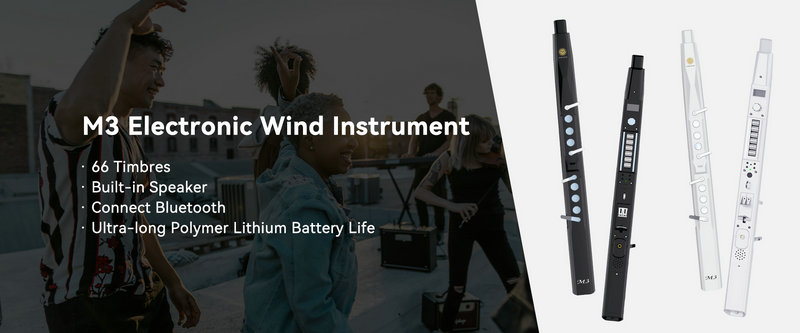
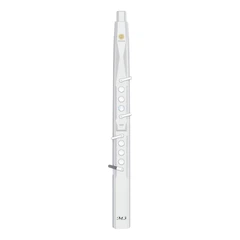
SUNRISE MELODY M3 Electronic Wind Instrument - The best-selling Electronic Wind Instrument
. 66 Timbres
. Built-in Speaker
. Connect Bluetooth
. Ultra-long Polymer Lithium Battery Life