
The market acceptance of electric wind instruments is growing but still has some variability.
On the positive side:
For Musicians and Hobbyists:
Versatility: Electric wind instruments offer a wide range of sounds and effects, allowing musicians to explore different musical styles. This versatility appeals to those who want to experiment and create unique sounds. Musicians who play in multiple genres or who are looking for new creative outlets often find electric wind instruments intriguing.
Portability: Many electric wind instruments are lightweight and portable, making them convenient for musicians on the go. This is especially appealing to performers who need to travel frequently or who want to practice and play in different locations.
Ease of Use: Some electric wind instruments are designed to be user-friendly, with intuitive controls and interfaces. This makes them accessible to beginners and hobbyists who may not have extensive musical training.
Connectivity: Electric wind instruments can often be connected to computers, tablets, and other devices, allowing for easy recording, editing, and sharing of music. This connectivity is attractive to musicians who want to integrate their playing with digital music production.
For Education and Training:
Learning Tools: Electric wind instruments can be useful teaching tools, as they often come with built-in tutorials, practice modes, and other educational features. This makes them popular in music schools and for private instruction.
Quiet Practice: Since electric wind instruments can be played with headphones, they are ideal for quiet practice sessions. This is beneficial for students who live in apartments or shared spaces where loud playing may not be possible.
However, there are also some challenges that limit market acceptance:
Cost:
High Price: Electric wind instruments can be relatively expensive compared to traditional wind instruments. This can be a barrier for some musicians, especially beginners or those on a tight budget. The cost of high-quality electric wind instruments can range from several hundred to several thousand dollars, depending on the brand and features.
Traditional Preferences:
Resistance to Change: Some musicians and music enthusiasts are attached to traditional wind instruments and may be reluctant to switch to electric versions. They may prefer the feel, sound, and cultural heritage of traditional instruments. This resistance to change can limit the market acceptance of electric wind instruments among certain groups.
Limited Awareness:
Lack of Familiarity: Electric wind instruments are still relatively new in the market, and many people may not be familiar with them. This lack of awareness can make it difficult for manufacturers to promote and sell their products. Additionally, without exposure to electric wind instruments, musicians and consumers may not realize the benefits they offer.
Overall, the market acceptance of electric wind instruments is growing as more musicians discover their unique features and capabilities. However, there are still challenges to overcome, such as cost, traditional preferences, and limited awareness. As technology continues to advance and prices become more competitive, it is likely that electric wind instruments will gain even more popularity in the future.
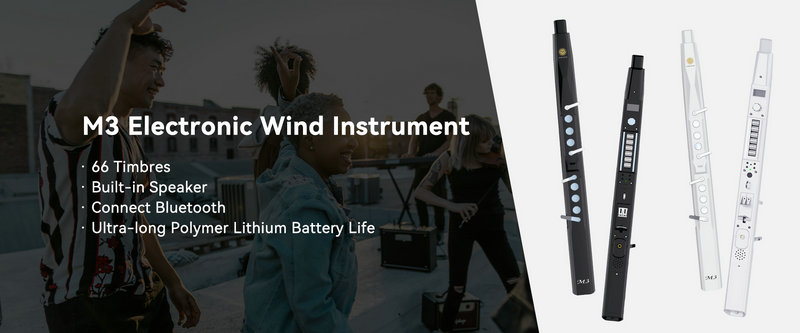
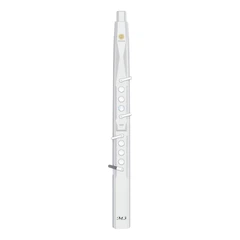
SUNRISE MELODY M3 Electronic Wind Instrument - The best-selling Electronic Wind Instrument
. 66 Timbres
. Built-in Speaker
. Connect Bluetooth
. Ultra-long Polymer Lithium Battery Life