
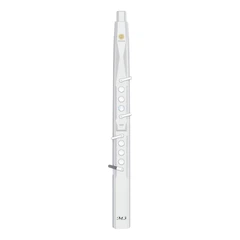


Electronic wind instruments (EWIs) have undergone a fascinating evolution, transforming from simple electronic novelties to sophisticated tools that have reshaped the musical landscape. The journey of EWIs began in the late 20th century, with early models offering limited sound options and basic controls. However, these initial versions laid the foundation for a profound transformation in wind instrument technology, combining the expressive nature of traditional wind playing with the emerging world of electronic sound.
Technological Advancements
A significant leap in the evolution of EWIs came with advancements in digital sound processing and sensor technology. The introduction of MIDI (Musical Instrument Digital Interface) was a game-changer, enabling EWIs to connect and communicate with other digital instruments and recording software. This technological leap expanded the capabilities of EWIs, elevating them from mere electronic novelties to serious musical instruments.
Impact on Musical Genres
EWIs have had a transformative impact on various musical genres. In jazz, they enabled new textures and fusion styles, allowing artists to blend traditional improvisation with electronic soundscapes. Classical musicians found in EWIs new possibilities for contemporary compositions and avant-garde performances. Moreover, in the realms of pop, rock, and electronic music, EWIs have been embraced as tools for innovative sound design and dynamic live performances, breaking the mold of conventional wind playing.
Influence in Music Education
The evolution of EWIs has significantly impacted music education. Their relatively easy learning curve, compared to traditional wind instruments, made them an attractive option for beginners. Music educators began to recognize the potential of EWIs in teaching fundamentals while also engaging students with the appealing aspects of electronic music. This educational versatility has made EWIs a popular choice in modern music curriculums, offering a bridge between classical techniques and contemporary musical technology.
The Modern Landscape
Today, models like the Aerophones, Yamaha YDS-150, and the SUNRISE MELODY represent the pinnacle of this evolution. Each model brings unique features and capabilities to the table, from extensive sound libraries and wireless connectivity to intuitive playing interfaces and realistic acoustic emulations. The SUNRISE MELODY, in particular, stands out with its innovative approach to breath control and motion sensitivity, providing a playing experience that is both intuitive for traditional wind players and appealing to those seeking new expressive possibilities.
The SUNRISE MELODY electronic wind instrument offers a range of features that make it a modern choice for musicians. It provides 66 different timbres, including a variety of instruments such as saxophone, clarinet, and flute. It also features up and down tuning, 12 accompaniments, and 4 fingering methods, allowing for a wide range of musical expression. With Bluetooth connectivity, the SUNRISE MELODY M3 model enables musicians to link the instrument to their phone or tablet, enhancing performance or practice sessions with accompaniments or sheet music scanners. The instrument is designed to be user-friendly for beginners and rich in features for professional performance, making it an ideal choice for those seeking both traditional expressiveness and modern innovative possibilities .
In conclusion, the journey of electronic wind instruments reflects a broader narrative of musical adaptation and innovation. From their rudimentary beginnings to the sophisticated models available today, EWIs have grown to become integral components of the modern musical landscape. They offer musicians a fusion of the past and future, combining the expressive depth of traditional wind instruments with the endless possibilities of digital technology. As we continue to witness advancements in EWI technology, these instruments are set to further push the boundaries of musical expression and creativity.
Brand Name: SUNRISE MELODY
Model: XR3000
Timbre: 60 types
Five octaves metal roller
Bluetooth connection
4 fingering modes available to select


