
It is indeed possible to integrate artificial intelligence (AI) and electronic wind instruments, and this integration holds great potential for enhancing the musical experience and capabilities of these instruments.
On one hand, AI can be used to improve the sound quality and realism of electronic wind instruments. For example, machine learning algorithms can analyze and learn from a vast amount of recorded music data to optimize the sound samples and digital signal processing techniques used in the instrument. This can result in more accurate and lifelike simulations of various instruments, allowing musicians to achieve a more authentic sound.
AI can also be employed to personalize the playing experience. By analyzing a musician's playing style, preferences, and habits, AI systems can adapt the instrument's settings and responses to better suit the individual player. For instance, it could adjust the sensitivity of the breath control or the timbre of the sound based on the player's unique characteristics.
In addition, AI can facilitate new forms of musical expression. For example, intelligent music generation algorithms can work in conjunction with electronic wind instruments to create on-the-fly accompaniments or improvised musical responses. This could enable solo musicians to perform with a virtual band or add dynamic and creative elements to their performances.
Moreover, AI-powered music education tools can be integrated with electronic wind instruments to provide personalized learning experiences. These tools could offer real-time feedback on a player's technique, suggest practice exercises, and even provide interactive tutorials to help beginners and advanced players alike improve their skills.
However, integrating AI and electronic wind instruments also presents some challenges. For instance, ensuring the reliability and accuracy of the AI algorithms, as well as maintaining the intuitive and natural feel of playing the instrument, are important considerations. Additionally, issues related to data privacy and security need to be addressed when using AI systems that collect and analyze user data.
In conclusion, the integration of AI and electronic wind instruments is a promising area of development that has the potential to revolutionize the way we create and experience music. As technology continues to advance, we can expect to see more innovative applications and enhancements in this field.
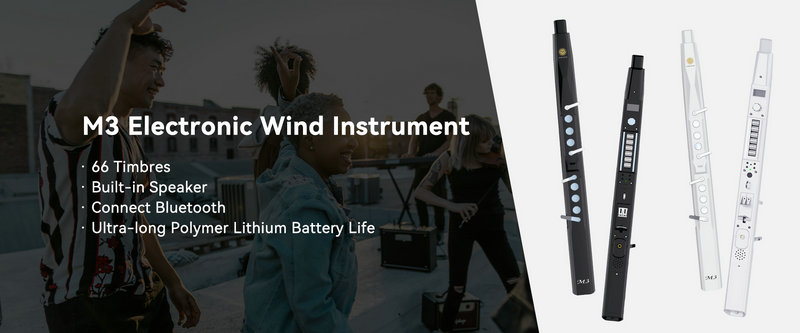
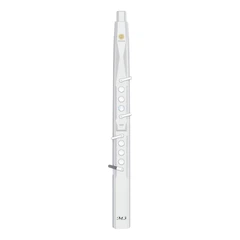
SUNRISE MELODY M3 Electronic Wind Instrument - The best-selling Electronic Wind Instrument
. 66 Timbres
. Built-in Speaker
. Connect Bluetooth
. Ultra-long Polymer Lithium Battery Life