


I. Technological Advancements and Versatility
1. Sound Customization
The digital saxophone offers an extensive range of sound customization options. Musicians can access a vast library of pre - programmed sounds that mimic various traditional saxophone models, such as the alto, tenor, soprano, and baritone saxophones. Additionally, they can also produce sounds that resemble other wind instruments like the flute, clarinet, or even non - traditional electronic and synthesized sounds. This versatility allows players to experiment with different tonal qualities and timbres without the need to carry multiple physical instruments. For example, a jazz musician can switch from a mellow alto - sax - like sound for a ballad to a bright and edgy synthesized tone for a more experimental fusion piece.
The ability to adjust parameters such as vibrato speed and depth, attack, and release times gives players precise control over the expressiveness of the sound. They can create unique sonic textures by tweaking these settings to suit their musical vision. This level of sound customization is highly appealing to both professional musicians looking to expand their sonic palette and amateurs who enjoy exploring different sounds.
2. Integration with Technology
Digital saxophones are designed to integrate seamlessly with other music - making technologies. They often come equipped with MIDI (Musical Instrument Digital Interface) capabilities, enabling them to communicate with computers, music software, and other MIDI - enabled devices. This allows for easy recording, music production, and collaboration. For instance, a composer can use a digital saxophone to record a melody directly into a digital audio workstation (DAW), where they can then add additional tracks such as drums, bass, and keyboards to create a full - fledged composition.
Some digital saxophones also support wireless connectivity, such as Bluetooth. This enables musicians to connect to amplifiers, speakers, or other audio - receiving devices without the hassle of cables. It also provides the opportunity for real - time streaming of performances, which is becoming increasingly popular in the digital age. Musicians can share their music with a global audience through online platforms, enhancing their reach and exposure.
II. Accessibility and Ease of Use
1. Beginner - Friendly Features
For beginners, the digital saxophone has several advantages. The fingering system is often designed to be intuitive and similar to that of a traditional saxophone, making it easier for those new to the instrument to learn the basics. However, it also offers additional aids such as lighted keys or visual guides that can help learners identify the correct fingerings. Some models even have built - in tutorials and practice modes that teach basic scales, chords, and melodies.
The instrument's volume can be easily controlled, allowing beginners to practice in a quiet environment without disturbing others. This is especially beneficial for those who live in apartments or have limited space for practice. Additionally, the digital saxophone's pitch - correction features can assist beginners in developing a good sense of intonation. By providing immediate feedback and subtly adjusting the pitch, it helps learners play in tune more quickly.
2. Portability and Durability
Digital saxophones are generally more portable than their traditional counterparts. They are often lighter in weight and more compact, making them easier to carry around. This is advantageous for musicians who are constantly on the move, such as those who travel for gigs, music lessons, or rehearsals. The instrument's construction is also more durable in some cases, as it may not be as susceptible to damage from changes in temperature and humidity as a wooden traditional saxophone.
The lack of a reed (in some digital saxophone designs) means that there is one less component to worry about replacing or maintaining. Reeds can be a hassle for traditional saxophone players, as they need to be carefully selected, stored, and replaced regularly. With a digital saxophone, this concern is eliminated, adding to its convenience and ease of use.
III. Cost - Effectiveness and Affordability
1. Initial Investment
The cost of a digital saxophone can be more affordable than a high - quality traditional saxophone. While top - of - the - line traditional saxophones can cost thousands of dollars, there are digital saxophone models available at a wide range of price points. Entry - level digital saxophones are relatively inexpensive, making them accessible to a larger number of people, including students and hobbyists. This lower initial investment allows more individuals to explore the world of saxophone playing without a significant financial burden.
In addition to the instrument itself, the accessories required for a digital saxophone are often less expensive. For example, the mouthpiece (if it is a non - traditional design) may be more durable and less costly to replace than a traditional saxophone mouthpiece. There is also less need for a large collection of reeds, which can add up in cost over time.
2. Long - Term Savings
Digital saxophones can offer long - term savings in terms of maintenance and repairs. Traditional saxophones require regular servicing by a professional technician, including tasks such as pad replacement, key adjustment, and body polishing. These services can be quite expensive and time - consuming. In contrast, digital saxophones have fewer mechanical parts that require such extensive maintenance. While they may need software updates and occasional electrical component checks, the overall cost and frequency of these maintenance tasks are generally lower.
The ability to use the digital saxophone with headphones also means that there is less wear and tear on the instrument's speakers and amplifiers. This can extend the life of these components and reduce the need for costly replacements. Overall, the cost - effectiveness of the digital saxophone makes it an attractive option for those looking to enjoy saxophone playing without a large financial commitment.
IV. Musical Creativity and Performance Flexibility
1. Sound Manipulation in Real - Time
Digital saxophones allow musicians to manipulate the sound in real - time during a performance. They can add effects such as reverb, delay, chorus, and distortion on the fly, creating a unique and dynamic sonic experience. This ability to transform the sound instantaneously gives performers more creative freedom and enables them to adapt to different musical contexts and audience expectations. For example, a performer can add a dreamy reverb effect to a slow ballad to create an atmospheric sound or use a distortion effect to add an edgy, rock - inspired tone to a fast - paced number.
The real - time sound manipulation also opens up possibilities for improvisation. Musicians can experiment with different sound combinations and effects during an improvised solo, adding an element of surprise and innovation to their performance. This flexibility in sound shaping is a significant draw for creative musicians who want to push the boundaries of traditional saxophone playing.
2. Adaptability to Different Genres
The digital saxophone's versatility in sound production makes it highly adaptable to different musical genres. It can fit seamlessly into a jazz ensemble with its ability to produce traditional saxophone sounds, but it can also be used in a pop or rock band to add a unique wind - instrument - inspired texture. In electronic music genres, the digital saxophone's synthesized and modified sounds can be a key element in creating a futuristic and experimental sonic landscape.
Musicians can easily switch between different genre - appropriate sounds, allowing them to participate in a wide variety of musical projects. This adaptability broadens the musical opportunities for saxophone players and makes the digital saxophone a valuable tool for those who want to explore different musical styles and collaborate with musicians from diverse backgrounds.
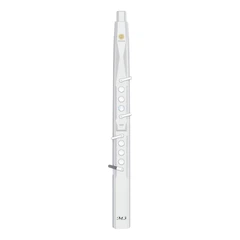
SUNRISE MELODY M1 Electronic Wind Instrument
. Revisit the passion and dreams of youth
. M1 electric clarinet wind instrument -- The good news for beginners
. Rich and diverse timbres
. Powerful functions and easy operation
. Perfect after-sales service
