

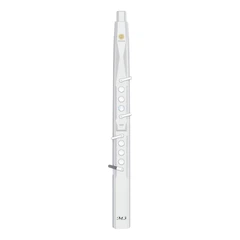

1. Design and Structure
The mouthpiece of an electric saxophone is designed with a specific shape to fit the player's lips and facilitate the flow of air. It usually has a tapered or conical shape that gradually narrows towards the tip where the reed is attached. This design helps in directing the air stream precisely onto the reed, enabling efficient vibration and sound production.
The length and curvature of the mouthpiece also play an important role. A longer mouthpiece may provide more resistance to the air flow, which can affect the tone and playability. The curvature is designed to provide a comfortable and natural position for the player's lips and teeth during playing.
2. Tip Opening and Its Influence
The tip opening of the mouthpiece refers to the size of the opening at the end where the air enters. It varies in different models and has a significant impact on the playing characteristics. A wider tip opening allows a greater volume of air to pass through. This means that more air is available to vibrate the reed, resulting in a louder and more powerful tone. However, it also requires more control over the breath as it can be easier to over - blow and produce a harsh or distorted sound.
On the other hand, a narrower tip opening restricts the air flow. It is generally easier to control, especially for beginners or those who require more precision in their playing. The tone produced with a narrow tip opening is often more focused and can have a brighter or more penetrating quality, depending on other factors such as the material of the mouthpiece and the reed used.
3. Material and Tone Production
Electric saxophone mouthpieces are made from different materials, each with its own tonal characteristics.
Hard Rubber: Hard rubber mouthpieces are a popular choice among many musicians. They produce a warm and rich tone. The density and flexibility of the hard rubber allow the reed to vibrate in a particular way, creating a mellow sound that is well - suited for genres like jazz and ballads. The material also provides a comfortable feel for the lips, enabling long - playing sessions without discomfort.
Plastic: Plastic mouthpieces are more affordable and are often used by beginners. They can produce a clear and bright tone. While they may not have the same tonal complexity as hard rubber or metal mouthpieces, they are a good option for those who are just starting to learn the instrument. The plastic material is also lightweight and durable, making it easy to handle and less likely to be damaged.
Metal: Metal mouthpieces, such as those made of brass or stainless steel, are known for their bright and cutting - edge tone. They can produce a sound that stands out in a musical arrangement, with a more focused and penetrating quality. The metal construction can also affect the way the reed vibrates, resulting in a different tonal response compared to other materials. Metal mouthpieces are often preferred in contemporary music styles or when a more assertive sound is desired.
4. Ligature and Its Function with the Mouthpiece
The ligature is an important accessory that is used in conjunction with the mouthpiece. Its main function is to hold the reed firmly in place against the mouthpiece. A well - designed ligature provides even pressure around the reed, allowing it to vibrate freely and produce a clear and consistent tone.
There are different types of ligatures available, such as screw - type ligatures and quick - release ligatures. Screw - type ligatures offer more precise adjustment of the pressure on the reed. By tightening or loosening the screw, the player can fine - tune the contact between the reed and the mouthpiece to achieve the desired tone. Quick - release ligatures, on the other hand, are more convenient, especially when the player needs to change the reed frequently. They allow for easy and quick removal and replacement of the reed without the need for extensive adjustments.
SUNRISE MELODY M1 Electronic Wind Instrument
. Revisit the passion and dreams of youth
. M1 electric clarinet wind instrument -- The good news for beginners
. Rich and diverse timbres
. Powerful functions and easy operation
. Perfect after-sales service
