

The price range of electric wind instruments can vary significantly, influenced by several factors that determine whether they are considered expensive or not.
Entry - Level Electric Wind Instruments
At the lower end of the price spectrum, there are entry - level electric wind instruments. These are designed for beginners or those on a tight budget. Entry - level electric saxophones, for example, can start at around $300 - $500. These instruments typically offer the basic functionality needed to start learning. They have a simple design with fewer advanced features compared to their higher - priced counterparts. The materials used in their construction are often of a more standard quality. For instance, the body might be made of a basic metal alloy, and the keys might be plastic or a less - refined metal. This allows manufacturers to keep the production costs down and offer a more affordable option for those just starting their musical journey.
Mid - Range Electric Wind Instruments
Moving up the price scale, mid - range electric wind instruments can cost anywhere from $800 to $2000. At this price point, you start to see improvements in quality. The materials used are of a higher grade. For example, the body might be made of a better - quality brass, which gives a richer sound and better durability. The keys are usually made of a more durable metal and are often more precisely engineered for smoother operation. These instruments also come with a more extensive set of features. They might have a greater variety of built - in sound effects, better amplification capabilities, and more adjustable settings. This makes them suitable for intermediate players who are looking to expand their musical capabilities and require an instrument that can grow with them as they progress in their skills.
High - End Electric Wind Instruments
High - end electric wind instruments are at the top of the price range and can cost $2000 or more, sometimes reaching prices similar to or even exceeding those of high - quality traditional acoustic wind instruments. These instruments are crafted with the utmost attention to detail. The materials used are of the highest quality. For example, the body might be made from a premium grade of brass or other exotic metals, which not only enhances the sound but also gives the instrument a luxurious look and feel. The keys are often made of high - quality silver or gold - plated metals for optimal performance and durability.
In addition to the superior materials, high - end electric wind instruments come with a plethora of advanced features. They might have state - of - the - art sound processing systems that allow for an incredibly wide range of sounds and effects. These instruments are often customizable, enabling players to fine - tune every aspect of the sound to their exact preferences. They are designed for professional musicians who demand the best in terms of sound quality, playability, and reliability.
Factors Influencing the Price
Brand Reputation
Well - known and established brands in the music industry often command higher prices for their electric wind instruments. Brands that have a long history of producing high - quality instruments and have a reputation for excellence are likely to price their products at a premium. This is because consumers trust the brand and are willing to pay more for the assurance of quality and reliability. For example, a brand that has been endorsed by famous musicians or has a track record of producing instruments used in professional settings will have a higher brand value, which is reflected in the price.
Lesser - known brands or new entrants to the market might offer electric wind instruments at a lower price to attract customers and gain a foothold in the market. While these instruments can offer good value for money, they may not have the same level of brand recognition and reputation as established brands.
Technology and Innovation
Electric wind instruments that incorporate the latest technology and innovative features will generally be more expensive. For instance, instruments with advanced digital sound processing, wireless connectivity, or unique sensor technology for enhanced expression will cost more. The research and development costs associated with integrating these cutting - edge technologies into the instrument are passed on to the consumer.
On the other hand, instruments that rely on more traditional designs and technology will be relatively less expensive. However, this does not mean they are of inferior quality; they simply do not have the added cost of the latest technological advancements.
Customization Options
Some electric wind instruments offer extensive customization options. This can include the ability to choose different finishes, key materials, or specific sound settings. Customized instruments are often more expensive as they involve additional manufacturing processes and labor. Each customization requires special attention and care, which adds to the overall cost.
Standard, off - the - shelf electric wind instruments without customization options are typically more affordable as they can be mass - produced more efficiently.
In conclusion, whether electric wind instruments are considered expensive depends on one's perspective, budget, and musical requirements. For beginners or those on a limited budget, entry - level instruments offer an affordable way to start learning. Mid - range instruments provide a balance between price and quality for intermediate players. High - end instruments are targeted at professional musicians or serious enthusiasts who are willing to invest a significant amount of money for the best possible sound and performance. The price is influenced by factors such as brand reputation, the incorporation of technology and innovation, and the availability of customization options.
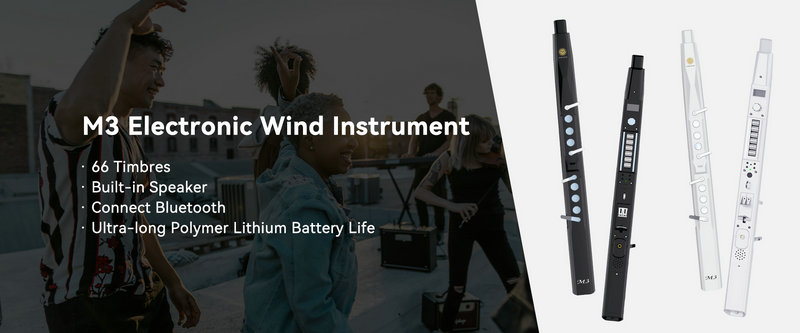
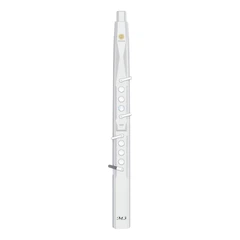
SUNRISE MELODY M3 Electronic Wind Instrument - The best-selling Electronic Wind Instrument
. 66 Timbres
. Built-in Speaker
. Connect Bluetooth
. Ultra-long Polymer Lithium Battery Life