

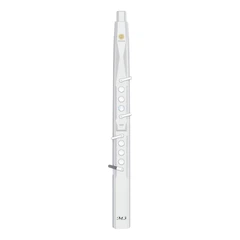

The digital saxophone, a modern musical instrument that combines traditional saxophone design with digital technology, has been gaining popularity in recent years. One of the frequently discussed aspects of the digital saxophone is its perceived lower difficulty in playing compared to traditional acoustic saxophones. In this essay, we will explore this claim in depth by examining various factors that contribute to the playing difficulty of both types of saxophones.
I. Introduction
The saxophone is a beloved musical instrument known for its rich and expressive sound. Traditional acoustic saxophones have been a staple in various music genres for decades. However, with the advent of digital technology, digital saxophones have emerged as an alternative that offers unique features and advantages. One of the main attractions of digital saxophones is the claim that they are relatively easier to play, which makes them accessible to a wider range of musicians, including beginners and those who may have found traditional saxophones too challenging.
II. Characteristics of Traditional Acoustic Saxophones
A. Physical Construction
Materials and Build
Traditional acoustic saxophones are typically made of brass or other metal alloys. The construction involves a complex combination of tubes, keys, pads, and a bell. The quality of materials and craftsmanship can significantly affect the instrument's sound and playability.
Weight and Size
Acoustic saxophones are relatively heavy and bulky, which can make them cumbersome to hold and transport. The size and weight can also pose challenges for players, especially those with smaller builds or physical limitations.
B. Sound Production
Breath Control
Playing a traditional saxophone requires precise breath control. The player must use their lungs and diaphragm to produce a steady stream of air and control the volume, tone, and dynamics of the sound. This requires a significant amount of practice and skill to master.
Embouchure
The embouchure, or the way the player's mouth forms around the mouthpiece, is crucial for producing a good sound on an acoustic saxophone. Developing the correct embouchure can be a challenging and time-consuming process, as it involves finding the right balance of pressure, position, and muscle control.
Tone Quality
The tone quality of an acoustic saxophone is highly dependent on the player's technique and the instrument's quality. Achieving a rich, warm, and expressive tone requires years of practice and experimentation.
C. Maintenance and Care
Regular Maintenance
Acoustic saxophones require regular maintenance to keep them in good playing condition. This includes cleaning the instrument, replacing pads, and adjusting keys. Maintenance can be time-consuming and may require the services of a professional repair technician.
Environmental Factors
Acoustic saxophones are sensitive to environmental factors such as temperature and humidity. Changes in these conditions can affect the instrument's tuning and playability, requiring players to take extra care when storing and transporting their instruments.
III. Characteristics of Digital Saxophones
A. Physical Construction
Materials and Build
Digital saxophones are often made of lightweight materials such as plastic or composite materials. The design is generally more streamlined and compact than traditional saxophones, making them easier to hold and transport.
Electronic Components
Digital saxophones incorporate electronic components such as sensors, buttons, and a display screen. These components allow the player to control various aspects of the instrument's sound and functionality.
B. Sound Production
Digital Sound Synthesis
Digital saxophones use digital sound synthesis technology to produce a wide range of sounds. Players can choose from pre-programmed sounds or customize their own sounds using various settings and effects. This eliminates the need for precise breath control and embouchure development to achieve different tones.
Volume and Dynamics Control
Digital saxophones often have built-in volume and dynamics controls, allowing players to easily adjust the intensity of their playing. This can be particularly useful for beginners who may have difficulty controlling the volume and dynamics of an acoustic saxophone.
Sound Effects and Processing
Digital saxophones offer a variety of sound effects and processing options, such as reverb, delay, and distortion. These effects can add depth and interest to the music and can be easily adjusted using the instrument's controls.
C. Maintenance and Care
Minimal Maintenance
Digital saxophones require minimal maintenance compared to acoustic saxophones. There are no pads to replace or keys to adjust, and the instrument is generally less sensitive to environmental factors.
Battery Life
Digital saxophones run on batteries, so players need to ensure that the instrument is charged or has fresh batteries available. However, modern digital saxophones often have long battery life, and some models can even be powered by USB, making them convenient for on-the-go use.
IV. Comparison of Playing Difficulty
A. Breath Control and Embouchure
Traditional Acoustic Saxophones
As mentioned earlier, playing a traditional saxophone requires precise breath control and a well-developed embouchure. Beginners may find it challenging to produce a consistent sound and control the volume and tone. Developing these skills can take months or even years of practice.
Digital Saxophones
Digital saxophones do not rely as heavily on breath control and embouchure as traditional saxophones. The digital sound synthesis technology allows players to produce a sound with relatively little effort. However, some players may still prefer the tactile experience of using breath control and embouchure to shape the sound.
B. Finger Technique and Dexterity
Traditional Acoustic Saxophones
Playing an acoustic saxophone requires good finger technique and dexterity. The keys on an acoustic saxophone are often spring-loaded and require a certain amount of pressure to operate. Developing speed and accuracy in finger movements can be a challenge for beginners.
Digital Saxophones
Digital saxophones may have lighter-touch keys or buttons, making them easier to press. Some models also offer features such as auto-chording or arpeggiators, which can help players with finger technique and chord progressions. However, these features may also limit the player's ability to develop traditional finger technique.
C. Tone Quality and Expression
Traditional Acoustic Saxophones
The tone quality and expression of an acoustic saxophone are highly dependent on the player's technique and the instrument's quality. Experienced players can use various techniques such as vibrato, growling, and slurs to add expression and emotion to their playing.
Digital Saxophones
Digital saxophones offer a wide range of pre-programmed sounds and effects, which can make it easier for beginners to achieve a certain level of tone quality and expression. However, some players may find that the digital sounds lack the warmth and authenticity of an acoustic saxophone.
D. Learning Curve and Adaptation
Traditional Acoustic Saxophones
Learning to play a traditional acoustic saxophone can have a steep learning curve. Beginners may need to invest a significant amount of time and effort in learning the basics of breath control, embouchure, finger technique, and music theory.
Digital Saxophones
Digital saxophones can be easier to pick up and play for beginners. The intuitive controls and pre-programmed sounds can make it quicker to start making music. However, as players progress, they may need to adapt to the limitations and differences of digital saxophones compared to traditional instruments.
V. Conclusion
In conclusion, the claim that digital saxophones are relatively less difficult to play than traditional acoustic saxophones has some merit. Digital saxophones offer several advantages that can make them more accessible to beginners and those with less experience in playing musical instruments. The lighter weight, easier sound production, and minimal maintenance requirements can all contribute to a lower perceived difficulty. However, it is important to note that playing any musical instrument requires practice and dedication, and digital saxophones are not a magic solution for instant musical proficiency.
Each type of saxophone has its own unique characteristics and challenges, and the choice between a digital and traditional saxophone ultimately depends on the individual's preferences, goals, and musical style. Some players may prefer the authenticity and expressive power of a traditional acoustic saxophone, while others may be drawn to the convenience and versatility of a digital saxophone. Regardless of the choice, both digital and traditional saxophones can offer a rewarding musical experience and a means of self-expression.
SUNRISE MELODY M1 Electronic Wind Instrument
. Revisit the passion and dreams of youth
. M1 electric clarinet wind instrument -- The good news for beginners
. Rich and diverse timbres
. Powerful functions and easy operation
. Perfect after-sales service
