

Alternative fingerings can have several impacts on the timbre and expression of the electronic wind instrument:
Timbre Variation:
Pitch and Harmonic Content: Different fingerings can change the pitch produced by the instrument, which in turn affects the harmonic content of the sound. For example, using an alternative fingering to play a note slightly higher or lower than the standard fingering can introduce different harmonic overtones. These overtones interact with the fundamental frequency to create a distinct timbre. A higher-pitched note might have more prominent high-frequency overtones, giving a brighter or sharper sound, while a lower-pitched note could have stronger lower-frequency components, resulting in a darker or warmer timbre.
Resonance and Envelope: The way the air flows through the instrument and the way the instrument's internal components respond can be influenced by the fingerings. Some alternative fingerings might create a different level of resonance within the instrument, affecting the sustain and decay of the sound. This can change the overall envelope of the note, making it sound more or less sustained, with a quicker or slower attack and decay. For instance, a fingering that allows for more air to flow freely might result in a longer sustain and a more resonant timbre.
Expression Enhancement:
Vibrato and Tremolo: Alternative fingerings can facilitate the production of vibrato and tremolo effects more easily or with a different character. By using specific finger combinations, players can create subtle variations in pitch or intensity to add expressiveness to the music. For example, a particular fingering might allow for a more controlled and nuanced vibrato, while another might produce a more rapid and intense tremolo, enhancing the emotional impact of the performance.
Dynamic Control: Different fingerings can offer varying degrees of control over the dynamic range of the instrument. Some fingerings might make it easier to play soft, delicate passages with better control over the volume, while others might be more suitable for producing loud and powerful sounds. This allows the player to create a wider range of dynamics in their playing, adding contrast and drama to the music.
Articulation and Legato: The choice of fingerings can also affect the articulation of the notes. Certain fingerings might enable smoother legato playing, allowing the notes to flow seamlessly into each other, while others might be better for producing staccato or detached notes for a more rhythmic and articulated effect. This can help the player convey different musical phrases and styles more effectively, adding to the overall expressiveness of the performance.
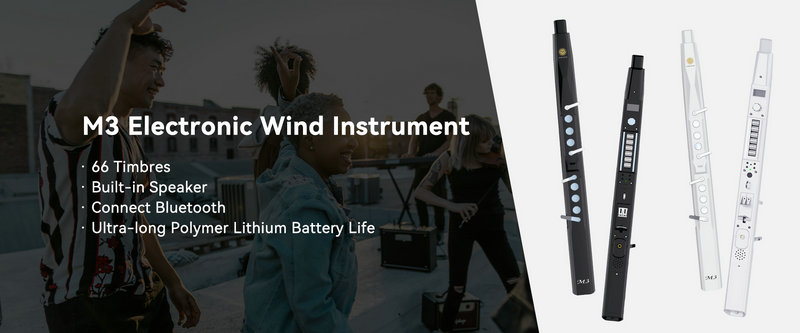
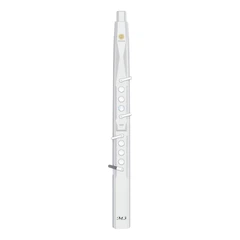
SUNRISE MELODY M3 Electronic Wind Instrument - The best-selling Electronic Wind Instrument
. 66 Timbres
. Built-in Speaker
. Connect Bluetooth
. Ultra-long Polymer Lithium Battery Life