
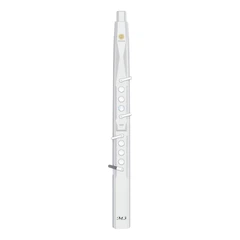


The digital electric saxophone is a revolutionary musical instrument that combines the traditional charm of the saxophone with advanced digital technology. With its wide range of tones and unique fingerings, it offers musicians a new realm of creative expression. In this essay, we will explore the various tones and fingerings of digital electric saxophones and their significance in the world of music.
I. Introduction
The digital electric saxophone has emerged as a popular instrument in recent years, thanks to its versatility and ease of use. It offers a vast array of tones and effects that can be customized to suit different musical styles and genres. Additionally, its unique fingerings provide musicians with new ways to play and express themselves. In this section, we will provide an overview of the digital electric saxophone and its features.
II. Understanding Digital Electric Saxophones
A. Technology and Components
Digital Sound Synthesis
Digital electric saxophones use advanced digital sound synthesis technology to create a wide range of tones. This technology allows musicians to access a vast library of sounds, including traditional saxophone tones as well as a variety of other instruments and effects.
Electronic Components
These instruments are equipped with various electronic components such as sensors, buttons, and a display screen. These components enable musicians to control different aspects of the instrument's sound and functionality.
Connectivity Options
Many digital electric saxophones offer connectivity options such as USB and MIDI, allowing musicians to connect the instrument to other devices such as computers and synthesizers. This enables them to expand their musical capabilities and create more complex compositions.
B. Advantages over Traditional Saxophones
Portability
Digital electric saxophones are often lighter and more compact than traditional saxophones, making them easier to transport and play on the go.
Versatility
With their wide range of tones and effects, digital electric saxophones can be used in a variety of musical styles and genres, from jazz and classical to electronic and experimental music.
Ease of Use
These instruments are often easier to play than traditional saxophones, as they require less physical effort and offer more intuitive controls.
III. Various Tones of Digital Electric Saxophones
A. Traditional Saxophone Tones
Alto Saxophone Tone
The alto saxophone tone is known for its warm and rich sound. Digital electric saxophones can accurately reproduce this tone, allowing musicians to play classic jazz and blues tunes with authenticity.
Tenor Saxophone Tone
The tenor saxophone tone is deeper and more powerful than the alto saxophone tone. Digital electric saxophones can also mimic this tone, making them suitable for playing soulful ballads and upbeat rock songs.
Soprano Saxophone Tone
The soprano saxophone tone is bright and piercing. Digital electric saxophones can create this tone with ease, enabling musicians to add a touch of elegance and sophistication to their music.
B. Non-Traditional Tones and Effects
Synthesizer Tones
Digital electric saxophones can produce a wide variety of synthesizer tones, ranging from futuristic and spacey sounds to gritty and industrial textures. These tones can be used to create unique and experimental music that pushes the boundaries of traditional saxophone playing.
Sound Effects
In addition to synthesizer tones, digital electric saxophones can also generate a variety of sound effects such as reverb, delay, and distortion. These effects can add depth and dimension to the music, making it more engaging and immersive.
Customizable Tones
Many digital electric saxophones allow musicians to customize their tones by adjusting various parameters such as pitch, volume, and tone color. This enables them to create unique sounds that are tailored to their specific musical needs and preferences.
IV. Fingerings of Digital Electric Saxophones
A. Similarities to Traditional Saxophones
Basic Fingerings
The basic fingerings of digital electric saxophones are similar to those of traditional saxophones. Musicians use their fingers to press down on keys or buttons to produce different notes.
Chromatic Scale
The chromatic scale can be played on digital electric saxophones using the same fingerings as on traditional saxophones. This allows musicians to play a wide range of melodies and harmonies.
B. Unique Features and Differences
Electronic Controls
Digital electric saxophones often have additional electronic controls that can be used to modify the sound and playability of the instrument. These controls may include buttons for changing tones, adjusting effects, and controlling volume.
Alternative Fingerings
Some digital electric saxophones offer alternative fingerings that can make it easier to play certain notes or passages. These fingerings may be different from those used on traditional saxophones and require some practice to master.
Midi Integration
Many digital electric saxophones can be connected to MIDI controllers, allowing musicians to use external devices to control the instrument's fingerings and sounds. This can open up new possibilities for creative expression and experimentation.
V. Importance of Understanding Tones and Fingerings
A. Musical Creativity
Knowing the various tones and fingerings of digital electric saxophones allows musicians to be more creative in their compositions and performances. They can experiment with different sounds and techniques to create unique and engaging music.
B. Versatility and Adaptability
Understanding the tones and fingerings of digital electric saxophones enables musicians to adapt to different musical styles and genres. They can use the instrument's wide range of tones and effects to play a variety of music, from traditional jazz to modern electronic music.
C. Technical Proficiency
Mastering the tones and fingerings of digital electric saxophones requires practice and technical proficiency. This can help musicians improve their overall playing skills and become more confident and competent musicians.
VI. Conclusion
In conclusion, the digital electric saxophone is a fascinating instrument that offers a wide range of tones and fingerings. Understanding these tones and fingerings is essential for musicians who want to explore the full potential of this instrument. Whether you are a professional musician or a beginner, the digital electric saxophone can provide you with a new and exciting way to express yourself through music. With its versatility, portability, and ease of use, it is sure to become a popular instrument in the years to come.
SUNRISE MELODY M1 Electronic Wind Instrument
. Revisit the passion and dreams of youth
. M1 electric clarinet wind instrument -- The good news for beginners
. Rich and diverse timbres
. Powerful functions and easy operation
. Perfect after-sales service


