

Electronic wind instruments simulate and produce the sounds of various instruments through a complex and sophisticated set of processes.
I. Sound Sampling Technology
Sound sampling is at the core of how these instruments achieve their remarkable versatility. Professional musicians painstakingly play real instruments in controlled environments to capture the purest and most authentic sounds. These sounds are then meticulously digitized using high-precision recording equipment. The resulting digital sound samples are stored in the instrument's internal memory, which acts as a vast library of musical tones. When a user selects a particular instrument mode on the electronic wind instrument, such as a saxophone or a flute, the instrument retrieves the appropriate sound samples. For example, if the user chooses the trumpet mode and presses a specific key, the instrument will access the corresponding trumpet sound sample for that note. This process allows for an incredibly accurate reproduction of the chosen instrument's sound.
II. Digital Signal Processing (DSP)
Once the sound samples are obtained, digital signal processing plays a crucial role in enhancing and modifying the sounds. DSP algorithms are designed to manipulate various aspects of the sound, including pitch, volume, timbre, and resonance. By adjusting the pitch control, a musician can change the pitch of the sound in real time, enabling them to perform glissandos and other pitch variations just like on a traditional instrument. The volume can be controlled by the intensity of the player's breath, creating a dynamic range that mimics the expressive capabilities of acoustic instruments. Timbre adjustments allow for customizing the tone of the sound, making it possible to achieve a wide variety of tonal qualities. Additionally, DSP can add effects such as reverb, which simulates the acoustics of different environments, and chorus, which adds depth and richness to the sound. These effects enhance the realism and immersive quality of the music produced.
III. Breath Sensitivity and Key Controls
The design of electronic wind instruments takes into account the importance of breath control in traditional wind instruments. These instruments are equipped with highly sensitive sensors that detect the player's breath input. The intensity and speed of the breath can directly affect the volume and expression of the sound. A gentle breath may produce a soft and delicate tone, while a stronger breath can create a louder and more powerful sound. At the same time, the keys on the instrument are carefully calibrated to control pitch and other musical elements. The combination of breath control and key presses gives musicians a high degree of control over their performance, allowing them to create nuances and expressions that are comparable to those of traditional wind instruments. This level of control enables musicians to infuse their playing with emotion and artistry, adding a personal touch to their music.
In conclusion, electronic wind instruments are a remarkable fusion of technology and musical artistry. Through sound sampling technology, digital signal processing, and sensitive controls, these instruments are able to simulate and produce the sounds of various instruments with astonishing accuracy and expressiveness. Whether used in a professional music studio or for personal enjoyment, electronic wind instruments offer musicians a versatile and innovative tool for creating beautiful music.
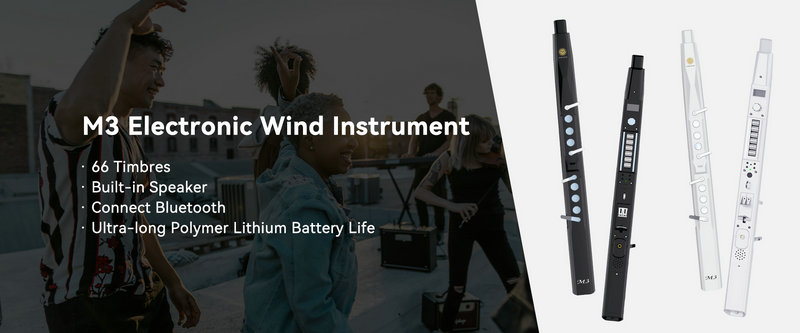
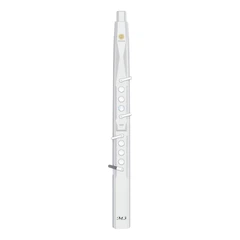
SUNRISE MELODY M3 Electronic Wind Instrument - The best-selling Electronic Wind Instrument
. 66 Timbres
. Built-in Speaker
. Connect Bluetooth
. Ultra-long Polymer Lithium Battery Life