
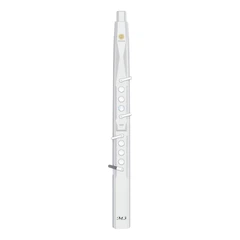


I. Introduction
In the ever-evolving world of music, new instruments and technologies are constantly emerging. One such innovation is the digital saxophone. Combining the traditional charm of the saxophone with advanced digital technology, digital saxophones offer a unique blend of innovation and practicality. This essay will explore the various aspects of digital saxophones, highlighting their innovative features and practical applications in the modern musical landscape.
II. The Evolution of Saxophones
A. Traditional Saxophones
The saxophone, invented by Adolphe Sax in the 19th century, has long been a beloved instrument in the world of music. With its rich, warm tone and versatile playing style, the traditional saxophone has found its place in various musical genres, from jazz and blues to classical and contemporary music.
B. Digital Technology and Musical Instruments
In recent years, digital technology has made significant inroads into the world of musical instruments. From digital pianos and synthesizers to electric guitars and drums, digital technology has transformed the way musicians create and perform music.
C. The Birth of Digital Saxophones
As a result of the convergence of traditional saxophone design and digital technology, digital saxophones were born. These instruments combine the familiar playing style of the saxophone with the advanced features of digital technology, offering musicians a new and exciting way to express themselves.
III. Innovation in Digital Saxophones
A. Sound Generation
One of the most significant innovations of digital saxophones is their sound generation. Unlike traditional saxophones, which rely on the vibration of a reed and the resonance of a metal tube to produce sound, digital saxophones use digital signal processing (DSP) technology to generate a wide range of sounds.
This allows musicians to access a vast library of sounds, including traditional saxophone tones as well as a plethora of synthesized and sampled sounds. With the ability to switch between different sounds instantly, digital saxophones offer a level of versatility that is unmatched by traditional instruments.
B. Effects and Processing
Digital saxophones also come equipped with a variety of effects and processing options. These can include reverb, delay, chorus, and distortion, among others. Musicians can use these effects to add depth and texture to their playing, creating unique and immersive soundscapes.
Furthermore, some digital saxophones allow for real-time manipulation of effects, enabling musicians to customize their sound on the fly. This level of control and creativity is a major innovation in the world of saxophone playing.
C. Connectivity and Integration
Another innovative aspect of digital saxophones is their connectivity and integration with other digital devices. Many digital saxophones can be connected to computers, tablets, and smartphones via USB or Bluetooth, allowing musicians to access music production software, recording apps, and other digital tools.
This connectivity also enables musicians to share their music online, collaborate with other musicians remotely, and participate in online music communities. The integration of digital saxophones with the digital ecosystem opens up a world of possibilities for musicians, blurring the lines between traditional and digital music making.
D. Playability and Customization
Digital saxophones often offer features that enhance playability and customization. For example, some models have adjustable keys and mouthpieces, allowing musicians to fine-tune the instrument to their specific playing style and preferences. Additionally, digital saxophones may come with built-in tuners and metronomes, helping musicians stay in tune and maintain a consistent tempo.
Some digital saxophones also offer the ability to program custom presets, saving specific combinations of sounds and effects for quick access during performances. This level of customization allows musicians to create a truly unique playing experience.
IV. Practicality of Digital Saxophones
A. Portability
One of the practical advantages of digital saxophones is their portability. Compared to traditional saxophones, which can be bulky and heavy, digital saxophones are often lighter and more compact. This makes them easier to transport, allowing musicians to take their instrument with them wherever they go.
Whether it's for a gig at a local venue, a rehearsal with a band, or a jam session with friends, the portability of digital saxophones makes them a convenient choice for musicians on the move.
B. Cost-Effectiveness
Digital saxophones can also be a cost-effective option for musicians. While high-quality traditional saxophones can be expensive, digital saxophones often offer a more affordable alternative. Additionally, digital saxophones may require less maintenance than traditional instruments, saving musicians money in the long run.
C. Versatility in Performance Settings
Digital saxophones are highly versatile and can be used in a wide range of performance settings. Whether it's a solo performance, a band gig, or a studio recording session, digital saxophones can adapt to different musical styles and environments.
With their ability to switch between different sounds and effects, digital saxophones can add a unique touch to any performance. They can also be easily integrated into a digital music production setup, making them a valuable tool for studio musicians and producers.
D. Learning and Teaching Aid
Digital saxophones can also be a useful learning and teaching aid. With features such as built-in tuners, metronomes, and instructional apps, digital saxophones can help beginners learn the basics of saxophone playing more quickly and easily.
For teachers, digital saxophones can provide a new and engaging way to teach music theory and technique. They can also be used to demonstrate different sounds and effects, making lessons more interactive and enjoyable.
V. Challenges and Limitations
A. Learning Curve
While digital saxophones offer many innovative features, they also come with a learning curve. Musicians who are accustomed to playing traditional saxophones may need some time to get used to the different playing style and controls of digital saxophones.
Additionally, the complexity of digital technology can be daunting for some musicians, especially those who are not familiar with music production software and digital effects.
B. Battery Life and Reliability
As digital instruments, digital saxophones rely on batteries or external power sources. This can be a limitation, especially for musicians who need to perform for long periods without access to a power outlet. Additionally, battery life can be a concern, and musicians may need to carry spare batteries or a power bank to ensure uninterrupted playing.
Reliability is also an issue, as digital instruments can be prone to technical glitches and malfunctions. Musicians may need to invest in quality products and perform regular maintenance to ensure the reliability of their digital saxophones.
C. Sound Quality and Authenticity
Some musicians may argue that digital saxophones lack the warmth and authenticity of traditional saxophones. While digital technology has come a long way in replicating the sound of traditional instruments, there is still a certain charm and character that only a real saxophone can provide.
However, this is a matter of personal preference, and many musicians find that the versatility and creative potential of digital saxophones outweigh any concerns about sound quality.
VI. Conclusion
In conclusion, digital saxophones represent a significant innovation in the world of music. With their advanced features and practical applications, digital saxophones offer musicians a new and exciting way to express themselves.
While they may not replace traditional saxophones entirely, digital saxophones have their own unique place in the musical landscape. Whether it's for portability, cost-effectiveness, versatility, or learning and teaching, digital saxophones offer a range of benefits that make them a valuable addition to any musician's toolkit.
As technology continues to advance, it will be interesting to see how digital saxophones evolve and how they continue to shape the future of music. With their combination of innovation and practicality, digital saxophones are sure to inspire musicians for years to come.
SUNRISE MELODY M1 Electronic Wind Instrument
. Revisit the passion and dreams of youth
. M1 electric clarinet wind instrument -- The good news for beginners
. Rich and diverse timbres
. Powerful functions and easy operation
. Perfect after-sales service


