


I. Introduction
The saxophone, a beloved instrument with a rich history and unique sound, has seen a modern evolution in the form of the digital saxophone. While traditional saxophones have charmed musicians and audiences for generations, digital saxophones offer a range of functions that set them apart and open up new creative possibilities. In this essay, we will explore the functions that digital saxophones possess that are not found in traditional saxophones.
II. Sound Manipulation and Customization
A. Multiple Sound Presets
One of the most notable features of digital saxophones is the availability of multiple sound presets. Unlike traditional saxophones that have a fixed tone color, digital saxophones can mimic a wide variety of sounds, including different types of saxophones, as well as other instruments like flutes, clarinets, and even synthesized sounds. This allows musicians to quickly switch between different sonic palettes, adding variety and interest to their performances.
For example, a musician can start a piece with a classic alto saxophone sound and then transition to a more exotic flute-like tone in the middle of the song. This level of sound customization is not possible with traditional saxophones, which rely on the natural characteristics of the instrument and reed combination.
B. Real-time Sound Editing
Digital saxophones often come with the ability to edit sounds in real time. Musicians can adjust parameters such as pitch, volume, tone color, and effects on the fly. This gives them a high degree of control over their sound and enables them to create unique sonic textures that are tailored to the specific musical context.
For instance, a musician can add a touch of reverb to create a spacious atmosphere or increase the distortion for a more edgy sound. This real-time sound editing feature is a significant departure from traditional saxophones, where changes in sound are typically achieved through adjustments in embouchure, breath control, and fingerings.
C. Sound Layering and Combination
Digital saxophones also allow for sound layering and combination. Musicians can combine multiple sounds to create complex and rich textures. For example, they can layer a saxophone sound with a string section or a percussion track, creating a hybrid sound that is both unique and engaging.
This function enables musicians to explore new sonic territories and experiment with different musical styles. It also provides opportunities for collaboration with other musicians or for creating solo performances that are more dynamic and diverse.
III. Effects and Processing
A. Built-in Effects
Digital saxophones often come equipped with a variety of built-in effects. These can include reverb, delay, chorus, flanger, and distortion, among others. These effects can be applied to the sound to add depth, dimension, and character.
For instance, reverb can make the sound seem as if it is being played in a large hall, while delay can create a sense of echo and spaciousness. Distortion can add a gritty or edgy quality to the sound, and chorus can make it sound fuller and more lush. These built-in effects are a major advantage over traditional saxophones, which typically require external effect pedals or processors to achieve similar results.
B. Programmable Effects Chains
Some digital saxophones allow musicians to create and save programmable effects chains. This means that they can customize a series of effects and apply them in a specific order to create a unique sound signature. For example, a musician might create an effects chain that includes reverb, delay, and distortion, and then save it for future use.
This function gives musicians a high degree of creative control and allows them to quickly recall their favorite effects combinations during performances. It also enables them to experiment with different effects configurations and find the ones that work best for their music.
C. MIDI Integration
Many digital saxophones offer MIDI (Musical Instrument Digital Interface) integration. This allows the instrument to be connected to other MIDI-compatible devices such as synthesizers, drum machines, and computer software. With MIDI integration, musicians can control other instruments or software using their digital saxophone, or use the digital saxophone to trigger sounds and effects in a MIDI sequencer.
For example, a musician can use their digital saxophone to play a synthesizer patch or trigger a drum loop. This opens up a world of possibilities for creative music production and performance, as it allows for seamless integration with other digital music tools.
IV. Connectivity and Portability
A. Wireless Connectivity
Digital saxophones often feature wireless connectivity options such as Bluetooth or Wi-Fi. This allows musicians to connect their instrument to speakers, amplifiers, or other devices without the need for cables. Wireless connectivity provides greater freedom of movement during performances and makes it easier to set up and tear down in different locations.
For instance, a musician can connect their digital saxophone to a wireless speaker and perform in a park or at a street festival without the hassle of dealing with cables. This convenience is not available with traditional saxophones, which typically require physical connections to amplification systems.
B. Portable and Lightweight Design
Digital saxophones are often designed to be portable and lightweight. This makes them easy to carry and transport, allowing musicians to take their instrument with them wherever they go. Whether it's for a gig at a local venue, a rehearsal with a band, or a spontaneous jam session, the portability of digital saxophones is a major advantage.
For example, a musician can easily pack their digital saxophone in a backpack and take it on a trip. This is in contrast to traditional saxophones, which can be bulky and heavy, making them less convenient for travel.
C. Battery Operation
Many digital saxophones can be operated on batteries, further enhancing their portability. This means that musicians can play their instrument without the need for a power outlet, making it possible to perform in locations where electricity is not available.
For instance, a musician can play their digital saxophone at a beach or in a forest without having to worry about finding a power source. This battery operation feature is a significant departure from traditional saxophones, which rely on acoustic amplification and do not have the option of battery power.
V. Learning and Practice Tools
A. Built-in Tutorials and Lessons
Some digital saxophones come with built-in tutorials and lessons. These can help beginners learn the basics of playing the saxophone, including fingerings, embouchure, and breathing techniques. The tutorials may include video demonstrations, interactive exercises, and practice routines.
This function is particularly useful for those who are new to the instrument and may not have access to a traditional teacher. It provides a convenient and accessible way to learn and practice at one's own pace.
B. Metronome and Tuner
Digital saxophones often include a built-in metronome and tuner. The metronome helps musicians keep a steady tempo during practice and performances, while the tuner ensures that the instrument is in tune. These tools are essential for musicians of all levels and are not typically found on traditional saxophones.
For example, a musician can use the metronome to practice difficult passages at a specific tempo or use the tuner to quickly check and adjust the pitch of their instrument. This convenience saves time and effort and helps musicians improve their playing skills more efficiently.
C. Recording and Playback
Digital saxophones often have the ability to record and playback performances. This allows musicians to listen to themselves play, identify areas for improvement, and track their progress over time. The recording function can also be used to capture ideas and inspiration on the fly, or to create demos and recordings for sharing with others.
For instance, a musician can record a practice session and then listen back to analyze their playing. They can also use the recording function to create a musical diary of their progress or to share their performances with friends and family. This feature is not available on traditional saxophones without the use of external recording devices.
VI. Conclusion
In conclusion, digital saxophones offer a wide range of functions that are not found in traditional saxophones. From sound manipulation and customization to built-in effects, connectivity options, and learning tools, digital saxophones provide musicians with new creative possibilities and conveniences. While traditional saxophones will always have their place in the world of music, digital saxophones are a modern innovation that is changing the way musicians play and create music. Whether for professional musicians looking to expand their sonic palette or beginners seeking a more accessible and convenient way to learn, digital saxophones are a valuable addition to the world of musical instruments.
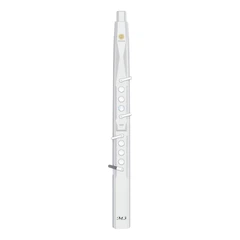
SUNRISE MELODY M1 Electronic Wind Instrument
. Revisit the passion and dreams of youth
. M1 electric clarinet wind instrument -- The good news for beginners
. Rich and diverse timbres
. Powerful functions and easy operation
. Perfect after-sales service
