
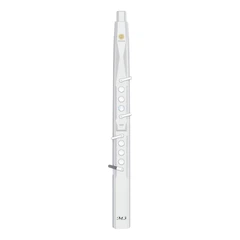


Utilizing the Rich Timbres of the Digital Alto Saxophone in Musical Works
I. Understanding the Digital Alto Saxophone's Timbral Palette
The digital alto saxophone offers a diverse range of timbres that can be harnessed to create unique musical experiences. It can produce traditional alto saxophone sounds, which are characterized by a warm, mellow tone in the mid - range frequencies. The sound is often described as having a certain smoothness and expressiveness that is well - suited for melodies and solos.
However, the digital aspect of the instrument expands its sonic capabilities far beyond the traditional. It can mimic other wind instruments such as the flute's clear and airy tone, the clarinet's bright and focused sound, or the oboe's reedy and slightly nasal quality. Additionally, it has the ability to generate synthetic and electronic timbres, including futuristic, space - age sounds, ambient textures like the sound of wind or water, and rhythmic percussive elements.
II. Compositional Approaches
1. Melodic Lines and Solos
Traditional Tones for Melodic Emphasis: When crafting a melody, the digital alto saxophone's traditional alto saxophone timbre can be used to bring out the main theme. The warm and expressive quality of this tone is ideal for creating memorable and emotionally engaging melodies. For example, in a ballad, the digital alto saxophone can play a slow, lyrical melody that tugs at the heartstrings of the listeners. The player can use the instrument's breath - controlled dynamics to add nuance to the melody, gradually increasing or decreasing the volume to build tension and release.
Mimicking Other Instruments for Melodic Variety: To add variety to a melodic line, the digital alto saxophone can switch to timbres that mimic other wind instruments. For instance, in a more lively and complex melody, the instrument could start with its traditional alto sax tone and then transition to a flute - like timbre for a higher - pitched, more ethereal section. This sudden change in timbre can create a sense of surprise and freshness, keeping the listener's attention. The clarinet - mimicking timbre can be used to add a more focused and incisive quality to the melody, perhaps in a section that requires a more staccato and energetic approach.
Synthetic and Electronic Timbres for Modern Melodies: In modern and experimental music, the digital alto saxophone's synthetic and electronic timbres can take center stage. A melody composed using these unique sounds can have a futuristic and otherworldly feel. For example, a melody with a pulsating, metallic - sounding timbre can be used to create a sense of urgency or a high - tech atmosphere. The ambient - like timbres can be used to create a dreamy, floating melody that seems to blend into the background, adding a layer of atmosphere to the composition.
2. Harmonic Support and Textures
Traditional Saxophone Timbres for Rich Harmonies: The digital alto saxophone's traditional timbre can be used to provide rich harmonic support. In a chordal context, the instrument can play block chords or arpeggios, using its warm tone to fill out the harmony. The ability to control the dynamics through breath pressure allows for a more nuanced harmonic texture. For example, in a jazz - inspired composition, the digital alto saxophone can play harmonies with a gentle, mellow sound during a ballad section and then increase the volume and intensity for a more energetic chorus.
Mimicking Other Instruments for Harmonic Variety: By switching to timbres that mimic other instruments, the digital alto saxophone can add a new dimension to the harmonic texture. The flute - like timbre can be used to add a light and airy quality to the harmony, perhaps in a more delicate and sparse section of the composition. The oboe - mimicking timbre can bring a more reedy and earthy element to the harmony, creating a contrast with the other timbres. The clarinet - like timbre can add a sense of brightness and focus to the harmonies, cutting through the texture and adding definition.
Synthetic and Electronic Timbres for Unusual Harmonic Textures: The synthetic and electronic timbres of the digital alto saxophone can be used to create unusual and otherworldly harmonic textures. For example, a combination of ambient and rhythmic electronic timbres can form a complex and evolving harmony that changes over time. These timbres can be used to create a sense of mystery or a dream - like state in the composition, with the harmonies shifting and pulsating in unexpected ways.
3. Orchestration and Instrumental Layers
Blending with Traditional Instruments: In an orchestral setting, the digital alto saxophone can blend with traditional instruments. Its traditional alto saxophone timbre can fit well with a string section, adding a warm and expressive wind - instrument - based voice to the overall sound. For example, in a symphonic work, the digital alto saxophone can play a counter - melody against the strings, creating a beautiful and harmonious contrast. When mimicking other wind instruments, it can further enrich the wind - instrument - based layer of the orchestra. For instance, the flute - like timbre can blend with the actual flutes in the orchestra, adding an extra layer of clarity and airiness.
Creating Unique Instrumental Layers: The digital alto saxophone's ability to produce a wide range of timbres allows it to create unique instrumental layers. It can play a melody with its traditional alto saxophone tone while simultaneously producing a background ambient texture with its electronic timbres. This creates a multi - layered effect where the foreground melody is clear and the background adds atmosphere and depth. In a more experimental setting, the instrument can switch between different timbres rapidly, creating a complex and constantly evolving instrumental layer that stands on its own or interacts with other instruments in an interesting way.
III. Performance Considerations
1. Real - Time Timbre Switching
Planning for Timbre Changes: Composers should plan for the digital alto saxophone player to switch timbres at strategic points in the music. These changes should be carefully considered to enhance the musical narrative. For example, a timbre change can occur at a climax of a piece to add an extra layer of excitement or at a transition point to signal a change in mood or musical style. The notation should clearly indicate when and how the timbre changes are to take place, whether through written instructions, symbols, or MIDI commands.
Player's Skill in Timbre Switching: The player's ability to smoothly switch between different timbres is crucial. This requires practice and familiarity with the instrument's controls. The digital alto saxophone may have buttons, knobs, or foot pedals to control the timbre changes. The player needs to be able to execute these changes precisely and in a timely manner. In a live performance, a seamless timbre switch can add a magical moment to the music, while a clumsy change can disrupt the flow.
2. Expressive Techniques
Breath Control and Dynamics: The digital alto saxophone's timbre is greatly affected by breath control. The player can use their breath to control the volume, attack, and release of the notes, just like with a traditional alto saxophone. However, the digital instrument may offer more precise control over these elements. For example, the player can use a gentle breath to produce a soft, airy timbre and a strong breath to bring out a more powerful and full - bodied tone. The ability to control the dynamics through breath pressure adds a level of expressiveness to the performance.
Vibrato and Other Ornamentation: Vibrato is an important expressive technique for the digital alto saxophone. The player can adjust the speed and depth of the vibrato to add emotion and character to the notes. Additionally, other ornamentation techniques such as trills, mordents, and glissandos can be used to enhance the performance. The digital alto saxophone's timbre can change depending on the type and intensity of these ornamentations. For example, a trill executed with a traditional alto saxophone timbre can add a sense of playfulness and virtuosity to the performance.
IV. Genre - Specific Applications
1. Jazz
Traditional Jazz Timbres: In a jazz setting, the digital alto saxophone's traditional alto saxophone timbre is a staple. It can be used to play the bluesy, swinging melodies and solos that are characteristic of jazz. The player can use the instrument's expressiveness to bend notes, add growls, and use other jazz - specific techniques. The warm and mellow tone of the digital alto saxophone can blend well with the other instruments in a jazz ensemble, such as the piano, bass, and drums.
Mimicking Other Instruments for Jazz Arrangements: The ability to mimic other wind instruments can add variety to jazz arrangements. For example, the flute - like timbre can be used to play a more delicate and airy solo during a ballad section. The clarinet - like timbre can add a different rhythmic and tonal texture to a bebop - inspired piece. The digital alto saxophone can also use its synthetic and electronic timbres to add a modern twist to jazz, creating a fusion of traditional and contemporary sounds.
2. Pop and Rock
Melodic Hooks and Solos: In pop and rock music, the digital alto saxophone can be used to create memorable melodic hooks. Its traditional alto saxophone timbre can add a smooth and soulful element to a pop song, perhaps in a chorus or a bridge. The instrument can also play a solo that stands out against the backdrop of guitars, drums, and keyboards. The ability to switch to more edgy and electronic timbres can give a rock - inspired performance an extra boost of energy. For example, a distorted or synthesized timbre can be used to create a powerful and attention - grabbing solo.
Harmonic and Textural Support: The digital alto saxophone can provide harmonic and textural support in pop and rock music. It can play harmonies with its traditional timbre to fill out the sound of the band. The mimicking of other instruments can add a different flavor to the harmony. For example, the flute - like timbre can add a light and airy harmony, while the oboe - mimicking timbre can add a more earthy and organic element. The synthetic and electronic timbres can be used to create unique soundscapes and textures that blend with the overall pop or rock sound.
3. Classical and Contemporary Classical
Traditional Timbres in Classical Context: In a classical context, the digital alto saxophone's traditional timbre can be used to play works originally written for the alto saxophone. It can handle the lyrical and technical demands of classical music, such as playing complex melodies and fast passages. The instrument can also blend with the orchestra or other chamber music instruments using its traditional tone.
Expanding the Classical Palette with Digital Timbres: The digital timbres of the digital alto saxophone can expand the classical palette. Composers can write new works that incorporate the instrument's synthetic and electronic sounds, creating a fusion of classical and contemporary elements. The digital alto saxophone can play a role in creating unusual harmonic textures and atmospheres that are not typically found in traditional classical music.
In conclusion, the rich timbres of the digital alto saxophone offer a wealth of opportunities for composers and performers. By understanding the instrument's capabilities, carefully planning the use of timbres in compositions, and considering performance techniques and genre - specific applications, musicians can fully utilize this versatile instrument to create engaging and innovative musical works.
SUNRISE MELODY M1 Electronic Wind Instrument
. Revisit the passion and dreams of youth
. M1 electric clarinet wind instrument -- The good news for beginners
. Rich and diverse timbres
. Powerful functions and easy operation
. Perfect after-sales service


