
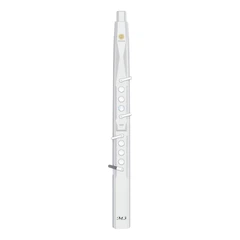


The Electric Saxophone EWI: A World of Diverse Timbres
The electric saxophone, especially the Electronic Wind Instrument (EWI), has revolutionized the way musicians approach wind - based music with its extensive range of timbres. This remarkable instrument offers a vast sonic palette that has opened up new creative possibilities in various musical genres.
I. Introduction to the EWI and Its Timbral Significance
The EWI is a modern musical instrument that combines the playing techniques of traditional wind instruments with advanced electronics. It was designed to provide musicians with a highly expressive and versatile tool. One of the most outstanding features of the EWI is its ability to produce a wide variety of timbres. Timbre, often referred to as the "color" of sound, is what differentiates one instrument's sound from another. In the case of the EWI, this diversity allows it to mimic traditional saxophones, as well as venture into entirely new sonic territories.
II. Traditional Saxophone Timbre Simulation
1. Alto, Tenor, Soprano, and Baritone Imitation
The EWI can accurately reproduce the timbres of different types of traditional saxophones. For example, it can mimic the warm and mellow tone of an alto saxophone. The characteristic smoothness and mid - range richness of the alto sax are replicated through advanced sound synthesis technology within the EWI. The fingering system of the EWI is often designed to be similar to that of a traditional alto sax, allowing saxophonists to transition easily.
When it comes to imitating the tenor saxophone, the EWI captures its bold and powerful sound. The deep, resonant tones that are typical of the tenor sax in jazz and other genres can be achieved with great precision. The EWI's controls enable players to adjust parameters such as the amount of air pressure sensitivity to match the playing style required for a tenor sax - like performance.
The soprano saxophone's bright and piercing tone is also within the EWI's capabilities. It can recreate the high - pitched, clear sound that is unique to the soprano sax, making it suitable for playing classical melodies or adding a unique touch to modern compositions. The baritone saxophone's deep, low - end rumble can be simulated as well, providing a full - bodied and imposing sound for musical arrangements.
2. Different Playing Styles and Expressions
The EWI can reproduce the timbres associated with various playing styles of traditional saxophones. In jazz, for instance, the growling and bending notes that are characteristic of certain jazz saxophonists can be achieved. The EWI's sound engine can model the way the reed vibrates and the air column behaves during these expressive techniques.
In classical saxophone playing, the smooth legato passages and delicate articulations are also possible. The instrument can handle the nuances of dynamics, from the softest pianissimo to the loudest fortissimo, just like a traditional saxophone. This allows classical musicians to use the EWI in performances of traditional saxophone concertos or chamber music, while still maintaining the integrity of the original musical score.
III. Beyond Traditional Saxophone Sounds
1. Wind Instrument Emulations
The EWI can mimic other wind instruments with remarkable fidelity. It can produce the clear and pure tone of a flute. The breathy, ethereal quality of the flute sound can be adjusted through the EWI's controls, allowing players to create beautiful, floating melodies. The fingering can be programmed or adjusted to match the flute's playing technique, making it possible to switch between saxophone - like and flute - like playing seamlessly.
The clarinet's distinct timbre, with its nasal quality and wide range of expression, can also be emulated. The EWI can reproduce the different registers of the clarinet, from the low chalumeau to the high - pitched clarion register. This enables musicians to incorporate clarinet - like passages into their music without having to switch instruments.
Additionally, the EWI can imitate the oboe's unique and often haunting sound. The reedy, somewhat nasal tone of the oboe can be generated, along with its characteristic ability to produce expressive vibrato. This opens up possibilities for composers and performers to add oboe - inspired melodies or harmonies to their musical works.
2. Synthetic and Electronic Timbres
The EWI is not limited to imitating traditional wind instruments. It has a vast array of synthetic and electronic timbres at its disposal. It can produce futuristic, space - age sounds that are often associated with science - fiction movie soundtracks. These sounds can range from sharp, metallic tones to smooth, pulsating electronic textures.
There are also ambient and atmospheric timbres available. The EWI can create sounds that mimic the gentle rustling of leaves, the sound of wind blowing through a canyon, or the deep rumble of distant thunder. These ambient sounds can be used to set the mood in a musical piece, whether it's for a relaxation track or an intense, dramatic composition.
The instrument can generate rhythmic and percussive sounds as well. By adjusting the settings, players can create drum - like beats, click - like sounds, or other percussive elements that can be integrated into the music. This allows for the creation of complex, multi - layered compositions that combine wind - based melodies with rhythmic patterns.
IV. Customization and Expansion of Timbres
1. User - Adjustable Parameters
The EWI allows users to adjust numerous parameters to customize the timbre. One of the key parameters is the breath control sensitivity. By changing this setting, players can determine how the instrument responds to the force of their breath. This affects the volume, dynamics, and the overall character of the sound. For example, a more sensitive breath control setting can create a more expressive and nuanced performance, while a less sensitive setting might be preferred for a more consistent and stable sound.
The vibrato speed and depth can also be adjusted. Players can create slow, deep vibratos for a more emotional and expressive effect, or fast, shallow vibratos for a different kind of musical texture. The attack and decay times of the sound can be modified as well. A quick attack can produce a sharp, percussive start to a note, while a slower attack can create a more gradual and smooth onset. The decay time determines how the sound fades away, allowing for a wide range of expressive possibilities.
2. Expansion through Software and Sound Libraries
Many EWI models are compatible with software and sound libraries that further expand the available timbres. These sound libraries can be downloaded and installed on the instrument, providing access to an even wider range of sounds. For example, there may be specialized libraries for different musical genres, such as a jazz - specific library that includes unique saxophone and other wind instrument sounds associated with jazz history.
Some software allows for advanced sound editing and creation. Musicians can use these tools to design their own timbres from scratch. They can combine different elements of existing timbres, adjust various parameters in real - time, and save their custom - created sounds for future use. This level of customization empowers musicians to truly make the EWI their own and explore new sonic landscapes that are unique to their musical vision.
V. Impact on Music Creation and Performance
1. Compositional Possibilities
The diverse timbres of the EWI have greatly expanded the compositional palette. Composers can now incorporate a wide range of sounds within a single instrument. They can create complex musical textures by combining traditional saxophone sounds with synthetic or emulated wind instrument timbres. For example, a composer might write a piece that starts with a solo EWI imitating an alto saxophone, then gradually introduces flute - like and electronic sounds as the piece progresses, creating a rich and evolving sonic journey.
The ability to quickly switch between different timbres during a performance also allows for more dynamic and engaging compositions. Composers can write music that requires the performer to change the timbre in real - time, adding an element of surprise and creativity. This can be especially effective in modern and experimental music, where the boundaries of traditional instrumentation are being constantly pushed.
2. Performance Flexibility
For performers, the EWI's wide variety of timbres offers unprecedented flexibility. They can adapt to different musical situations and styles with ease. In a live performance, a saxophonist can switch from a traditional jazz - sounding saxophone timbre to an electronic dance - inspired sound within seconds, enhancing the energy and excitement of the show.
The EWI also allows for solo performances that cover a broad range of musical expressions. A single performer can create the illusion of a full ensemble by using different timbres to represent different instruments. This is particularly useful for street performers, small - venue shows, or for creating unique musical experiences in unconventional settings.
In conclusion, the electric saxophone EWI's wide variety of timbres has had a profound impact on the world of music. It has expanded the creative horizons of composers, provided performers with new ways to express themselves, and added a new dimension to the sonic possibilities of wind - based music. As technology continues to evolve, we can expect even more exciting developments in the timbral capabilities of the EWI.
SUNRISE MELODY M1 Electronic Wind Instrument
. Revisit the passion and dreams of youth
. M1 electric clarinet wind instrument -- The good news for beginners
. Rich and diverse timbres
. Powerful functions and easy operation
. Perfect after-sales service


