
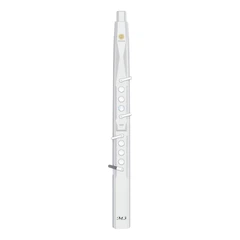


Methods of Utilizing the Rich Timbres of the Electric Saxophone in Musical Works
The electric saxophone, with its extensive range of timbres, offers a wealth of creative possibilities for composers and musicians in various musical works. Here is a detailed exploration of the methods to effectively utilize its rich sonic palette.
I. Understanding the Spectrum of Electric Saxophone Timbres
The electric saxophone can produce a diverse array of timbres, ranging from traditional saxophone sounds that mimic the warmth and expressiveness of their acoustic counterparts to a plethora of unique and electronically generated tones. It can simulate the different voices of various saxophone types such as alto, tenor, soprano, and baritone, each with its own characteristic tonal quality. For example, the alto saxophone timbre on an electric saxophone can have a mellow and smooth sound, suitable for melodic lines that require a certain emotional depth. The tenor saxophone timbre may be more powerful and robust, ideal for creating bold statements in a musical composition.
Beyond the traditional saxophone sounds, the electric saxophone can generate a wide variety of non-traditional timbres. It can produce synthetic sounds that range from futuristic and metallic to soft and ambient. These synthetic timbres can add a modern and experimental edge to the music, creating a unique atmosphere and sonic landscape. For instance, a spacey, synthesized timbre can be used to evoke a sense of otherworldliness in a science fiction-inspired soundtrack. It can also mimic the sounds of other instruments, such as the flute's airy and light tone, the clarinet's bright and focused sound, or the oboe's reedy and nasal quality, expanding the instrument's versatility and allowing for more diverse musical arrangements.
II. Compositional Strategies
1. Creating Melodies and Themes
Traditional Saxophone Timbres for Emotional Resonance: The traditional timbres of the electric saxophone can be used to craft memorable melodies that tug at the heartstrings of the listeners. For a ballad or a slow, 抒情 piece, the warm and rich tone of the electric saxophone's traditional alto or tenor saxophone timbre can be employed. The smoothness and expressiveness of these timbres can help convey deep emotions and create a sense of intimacy. The player can use techniques like vibrato and dynamics, controlled through the instrument's settings or their own playing style, to add further nuance to the melody. For example, a gentle vibrato can enhance the emotional impact of a slow, sustained note, while a sudden increase in volume can create a dramatic moment within the melody.
Exploring Non - Traditional Timbres for Unconventional Melodies: To add an element of surprise and uniqueness, non - traditional timbres can be used to create melodies. A synthesized or electronically modified timbre can give a melody a modern, edgy feel. For example, in a electronic dance music (EDM) composition, a sharp, metallic - sounding timbre of the electric saxophone can be used to create a driving and energetic melody that stands out against the backdrop of electronic beats and synths. The use of such timbres can also help break away from the traditional musical expectations and create a distinct sonic identity for the piece.
Combining Multiple Timbres for Complex Melodic Structures: Composers can experiment with combining different timbres of the electric saxophone within a single melody or theme. This could involve switching between a traditional saxophone timbre and a synthetic timbre at strategic points in the melody to create contrast and add depth. For instance, a melody could start with a soft, ambient - like timbre, gradually transitioning to a more assertive and traditional saxophone timbre as it builds in intensity. This creates a dynamic and evolving musical experience for the listener, keeping them engaged and intrigued.
2. Building Harmonic Textures
Traditional Timbres for Rich Harmonies: The traditional timbres of the electric saxophone can contribute to creating rich harmonic textures. When playing in a chordal context, the warm and full - bodied sound of the instrument can fill out the harmony and add a sense of warmth and depth. For example, in a jazz or fusion piece, the electric saxophone can play chord voicings along with other instruments like the piano, guitar, and bass. The unique tonal quality of the electric saxophone can blend with these other instruments to create a harmonious and cohesive sound. The player can use techniques such as chord substitutions and voicings to add variety to the harmonic texture, while the instrument's timbre provides a distinct color to the overall harmony.
Using Non - Traditional Timbres for Unusual Harmonic Effects: Non - traditional timbres can be used to create unusual and unexpected harmonic effects. For instance, a synthesized timbre with a complex waveform can add a dissonant or mysterious quality to the harmony. This can be used in experimental or avant - garde music to create a sense of tension and intrigue. The electric saxophone can play harmonic intervals or clusters using these non - traditional timbres, creating a soundscape that challenges the listener's perception of harmony and adds a new dimension to the music.
Harmonic Layering with Different Timbres: Composers can layer different timbres of the electric saxophone to create complex harmonic textures. This could involve having one timbre play the root or fundamental of a chord, while another timbre plays the upper extensions or embellishments. For example, a mellow, traditional saxophone timbre could play the main melody or chord progression, while a more ethereal and synthesized timbre could add harmonic overtones or counter - melodies above it. This creates a rich and multi - layered harmonic structure that adds depth and complexity to the music.
3. Orchestrating and Arranging
Blending with Other Instruments: The electric saxophone can be effectively blended with a wide range of other instruments to create a diverse and balanced musical arrangement. In an orchestra or a band setting, its timbre can complement and contrast with other instruments. For example, when paired with strings, the warm tone of the electric saxophone can add a wind - instrument - based voice to the string - dominated texture, creating a beautiful blend of sounds. When combined with brass instruments, the electric saxophone can provide a contrast in tone and color, adding a unique element to the overall sound. The composer or arranger can carefully select the timbre of the electric saxophone to fit the specific musical context and create a harmonious interaction with other instruments.
Solo and Featured Roles: The rich timbres of the electric saxophone make it a great choice for solo passages and featured roles in a musical work. Its ability to produce a wide range of sounds allows for a diverse and engaging solo performance. The composer can write a solo piece that showcases the different timbres of the electric saxophone, allowing the player to demonstrate their technical skills and expressivity. For example, a solo could start with a traditional saxophone timbre, gradually transitioning to more experimental and synthesized timbres as the piece progresses, creating a dynamic and exciting performance. In an ensemble setting, the electric saxophone can be given a featured role, such as playing a prominent melody or riff that stands out from the rest of the instruments, using its unique timbre to capture the listener's attention.
Textural and Atmospheric Effects: The electric saxophone can be used to create textural and atmospheric effects in a musical composition. Its ability to produce ambient and synthesized timbres makes it ideal for creating a backdrop or atmosphere that sets the mood for the piece. For example, in a film score or a video game soundtrack, the electric saxophone can play a soft, ambient timbre that creates a sense of mystery or tension in the background. It can also be used to add a touch of elegance or romance to a scene with a more mellow and traditional timbre. The composer can use the instrument's timbre to paint a sonic picture and enhance the overall emotional impact of the music.
III. Performance Techniques
1. Timbre Manipulation during Performance
Real - Time Effects and Controls: Many electric saxophones come equipped with various effects and controls that can be manipulated in real - time during a performance. These can include controls for reverb, delay, chorus, and distortion, among others. The player can use these effects to alter the timbre of the instrument on the fly and create dynamic changes in the sound. For example, adding a touch of reverb can make the sound more spacious and ambient, while applying a distortion effect can give it a gritty and edgy quality. The player can experiment with different combinations of these effects to create unique sonic textures and add an element of improvisation and creativity to their performance.
Breath Control and Dynamics: Breath control is a crucial aspect of playing the electric saxophone and can have a significant impact on the timbre. By varying the pressure and speed of their breath, the player can control the volume, intensity, and tone color of the sound. A gentle, controlled breath can produce a soft and mellow timbre, while a more forceful breath can result in a louder and more powerful sound. Additionally, the player can use techniques such as breath attacks, releases, and sustains to add further expressiveness to the performance. For example, a sudden, sharp breath attack can create a percussive effect, while a slow and smooth release can add a sense of elegance and finesse.
Fingerings and Pitch Modulation: The fingerings used on the electric saxophone can also affect the timbre. Different fingerings can produce slight variations in pitch and tone quality, allowing the player to add nuance and character to their playing. In addition, techniques such as pitch bending and glissandos can be used to further modify the timbre and create a more expressive performance. For example, a pitch bend can add a sense of emotion and expressiveness to a note, while a glissando can create a smooth and seamless transition between pitches, adding a unique sonic effect.
2. Collaborating and Improvising with Other Musicians
Interactive Performances: In a group setting, the electric saxophone player can interact with other musicians to create unique musical moments based on the timbres of their instruments. For example, in a jazz improvisation session, the electric saxophone can respond to the rhythms and melodies played by the rhythm section (drums, bass, and piano) and interact with other solo instruments (such as a trumpet or guitar) using its rich timbres. The player can use different timbres to create contrast and harmony with the other musicians, adding to the overall musical conversation. They can start with a mellow timbre and then switch to a more energetic or edgy timbre to drive the improvisation forward and create a sense of excitement.
Blending and Contrasting Timbres: When collaborating with other musicians, the electric saxophone player can focus on blending and contrasting the timbres of their instrument with those of others. For example, if playing with a string quartet, the player can use a soft and ambient timbre of the electric saxophone to blend with the smooth and mellow sound of the strings. On the other hand, they can also use a more distinct and bright timbre to create contrast and stand out from the ensemble. This interplay of timbres can add depth and complexity to the music and create a more engaging listening experience.
Group Improvisation and Sound Exploration: In an experimental or free - form musical setting, the electric saxophone player can join with other musicians to explore different timbres and sounds together. They can start with a basic musical idea or a particular timbre and then build on it through improvisation, allowing each musician to contribute their own unique sonic elements. The group can experiment with combining different timbres of the electric saxophone with the sounds of other instruments, creating new and unexpected sonic landscapes. This process of collective sound exploration can lead to the discovery of new musical ideas and techniques, pushing the boundaries of what is possible in a musical performance.
In conclusion, the electric saxophone's rich timbres offer a vast array of possibilities for composers and musicians in creating diverse and engaging musical works. By understanding the different timbres available, employing creative compositional strategies, and utilizing effective performance techniques, the electric saxophone can be a powerful tool for adding depth, emotion, and uniqueness to music across a wide range of genres and styles. Whether it's used to create a beautiful melody, a rich harmonic texture, or a captivating atmospheric effect, the electric saxophone has the potential to enhance and transform the musical experience.
SUNRISE MELODY M1 Electronic Wind Instrument
. Revisit the passion and dreams of youth
. M1 electric clarinet wind instrument -- The good news for beginners
. Rich and diverse timbres
. Powerful functions and easy operation
. Perfect after-sales service


