

If you want to assemble an electric wind instrument yourself, you need to learn the following knowledge:
Electronic circuit knowledge:
Basic circuits: Understand the principles of series circuits, parallel circuits, and other basic circuit connections. This is essential for connecting various electronic components such as resistors, capacitors, and inductors in the instrument. For example, knowing how to calculate the total resistance or capacitance in a specific circuit configuration is important for ensuring the correct functioning of the circuit.
Microcontroller programming: Many electric wind instruments use microcontrollers to process signals and control various functions. You need to learn programming languages such as C or Python to program the microcontroller, so that it can accurately receive input signals (such as breath signals) and control the output of sound or other effects. For instance, programming the microcontroller to adjust the pitch, volume, and timbre of the sound according to the player's breath intensity.
Sensor technology: Electric wind instruments often use sensors to detect the player's breath or finger movements. You need to understand the working principles and characteristics of different types of sensors, such as pressure sensors or touch sensors, and how to interface them with the electronic circuit. This includes knowing how to calibrate the sensor to ensure accurate signal detection and how to process the sensor signals in the circuit.
Acoustics knowledge:
Sound generation and propagation: Understand how sound is generated by vibrating objects and how it propagates in different media. This knowledge is helpful for designing the sound generation mechanism of the electric wind instrument, such as choosing the appropriate vibrating element or sound cavity structure to produce the desired sound quality and pitch. For example, understanding the relationship between the length and diameter of a sound tube and the frequency of the sound it produces can help you design a more accurate sound generation structure.
Timbre and harmony: Learn about the concepts of timbre (the unique quality of a sound) and harmony (the combination of multiple sounds). This can help you adjust the electronic circuit or sound processing algorithms to create different timbres and harmonious musical effects. For instance, by adding effects such as reverb, delay, or distortion to the sound, you can create a more rich and diverse musical experience.
Mechanical design knowledge:
Instrument structure design: Design the mechanical structure of the electric wind instrument, including the shape, size, and material of the instrument body, keys, and other components. Consider factors such as ergonomics (to ensure comfortable playing), durability (to withstand regular use), and ease of assembly and maintenance. For example, designing the key layout and spacing to fit the player's hand size and playing habits, and choosing materials that are lightweight but strong enough for the instrument.
Assembly and connection methods: Know how to assemble and connect the various mechanical parts of the instrument, such as using screws, nuts, bolts, or adhesives to fix the components together. Ensure that the connections are firm and stable to avoid loosening or vibration during playing. Also, understand how to connect the mechanical parts to the electronic components, such as installing sensors or buttons on the instrument body and connecting them to the corresponding circuits.
Safety knowledge:
Electrical safety: Since electric wind instruments involve electricity, it is crucial to understand electrical safety principles. This includes knowing how to choose the right power supply (such as the correct voltage and current), how to ground the instrument to prevent electric shock, and how to avoid short circuits or overheating of the circuit. For example, using a power supply with a suitable voltage and current rating for the instrument, and ensuring that all electrical connections are insulated and protected.
Material safety: Be aware of the safety of the materials used in the instrument, especially those that come into contact with the player's body, such as the material of the mouthpiece or keys. Choose materials that are non-toxic, hypoallergenic, and safe for long-term use. Additionally, consider the fire resistance of the materials to prevent potential fire hazards.
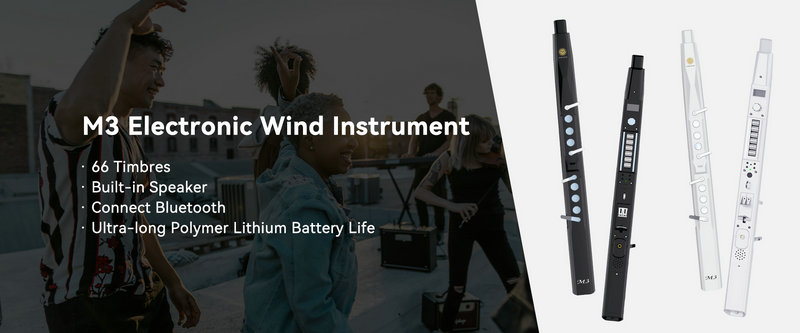
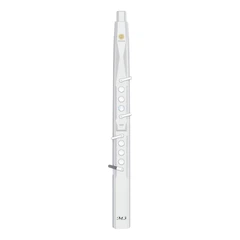
SUNRISE MELODY M3 Electronic Wind Instrument - The best-selling Electronic Wind Instrument
. 66 Timbres
. Built-in Speaker
. Connect Bluetooth
. Ultra-long Polymer Lithium Battery Life