
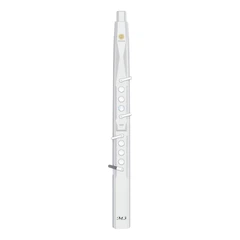


The mouthpiece of an electric saxophone is a crucial component that directly affects the playing experience and sound quality. Just like any other part of a musical instrument, the mouthpiece can encounter various problems over time. In this article, we will explore the common problems that can occur with the mouthpiece of an electric saxophone and discuss possible solutions to address them.
I. Introduction to the Mouthpiece of Electric Saxophone
The mouthpiece of an electric saxophone is designed to fit onto the instrument's neck and is where the player blows air to produce sound. It consists of several parts, including the tip, the chamber, and the ligature. The tip is the part that the player's lips come into contact with, while the chamber and ligature help to hold the reed in place and control the airflow.
II. Common Problems with the Mouthpiece
A. Poor Sound Quality
Weak or Thin Sound
One of the most common problems with the mouthpiece is a weak or thin sound. This can be caused by several factors, such as a damaged reed, a misaligned ligature, or a clogged chamber.
Solution: Check the reed for any signs of damage or wear and replace it if necessary. Make sure the ligature is properly aligned and tightened to hold the reed firmly in place. Clean the chamber with a soft brush or cloth to remove any debris or buildup.
Harsh or Nasal Sound
Another problem that can occur is a harsh or nasal sound. This can be caused by a too-hard reed, a misaligned mouthpiece, or incorrect embouchure.
Solution: Try using a softer reed or adjusting the embouchure to produce a more rounded and full sound. Check the alignment of the mouthpiece on the neck of the saxophone and make sure it is properly seated.
B. Leaking Air
Around the Mouthpiece
If air is leaking around the mouthpiece, it can affect the sound quality and playability of the instrument. This can be caused by a damaged or worn gasket, a loose fit between the mouthpiece and the neck, or incorrect assembly.
Solution: Check the gasket for any signs of damage or wear and replace it if necessary. Make sure the mouthpiece is properly seated on the neck and tighten it securely. Double-check the assembly of the mouthpiece and ligature to ensure everything is in place.
Through the Mouthpiece
Air can also leak through the mouthpiece itself, which can be caused by a cracked or damaged chamber or tip.
Solution: Inspect the mouthpiece for any cracks or damage and replace it if necessary. Avoid dropping or mishandling the mouthpiece to prevent damage.
C. Difficulty in Playing
High Resistance
Some players may experience high resistance when blowing into the mouthpiece, making it difficult to produce sound. This can be caused by a too-tight ligature, a hard reed, or a narrow chamber.
Solution: Loosen the ligature slightly to allow for more airflow. Try using a softer reed or adjusting the chamber size if possible. Practice proper breathing and embouchure techniques to improve airflow.
Unstable Pitch
Unstable pitch can be a problem, especially when playing high notes. This can be caused by a misaligned mouthpiece, a worn reed, or incorrect intonation.
Solution: Check the alignment of the mouthpiece on the neck and make sure it is centered. Replace the reed if it is worn or damaged. Practice intonation exercises to improve pitch stability.
III. Maintenance and Care of the Mouthpiece
A. Regular Cleaning
Remove the reed and ligature and clean the mouthpiece with a soft cloth or brush. Use mild soap and water if necessary, but make sure to rinse thoroughly and dry completely before reassembling.
Clean the chamber and tip regularly to remove any buildup or debris that can affect sound quality.
Avoid using harsh chemicals or abrasives that can damage the mouthpiece.
B. Storage
Store the mouthpiece in a protective case or bag when not in use to prevent damage.
Keep the mouthpiece away from extreme temperatures and humidity to avoid warping or cracking.
Avoid stacking or crushing the mouthpiece with other objects.
C. Replacement Parts
Keep spare reeds, ligatures, and gaskets on hand in case of damage or wear.
Replace damaged or worn parts promptly to maintain the performance of the mouthpiece.
IV. Conclusion
The mouthpiece of an electric saxophone is an essential part of the instrument that can greatly affect the playing experience and sound quality. By being aware of the common problems that can occur and following proper maintenance and care procedures, players can ensure that their mouthpiece is in good working condition and continue to enjoy playing their electric saxophone. Whether it's addressing issues with sound quality, air leakage, or difficulty in playing, taking the time to troubleshoot and maintain the mouthpiece can make a significant difference in the overall performance of the instrument.
SUNRISE MELODY M1 Electronic Wind Instrument
. Revisit the passion and dreams of youth
. M1 electric clarinet wind instrument -- The good news for beginners
. Rich and diverse timbres
. Powerful functions and easy operation
. Perfect after-sales service


