

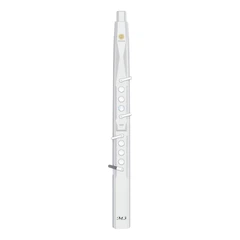

The electric saxophone is a unique musical instrument that combines traditional saxophone playing techniques with modern electronic technology. While it offers many advantages such as portability, versatility, and the ability to produce a wide range of sounds, it is also prone to certain faults. In this article, we will explore the common faults of electric saxophones and discuss possible solutions.
I. Introduction to Electric Saxophones
The electric saxophone is a relatively new instrument that has gained popularity in recent years. It is designed to mimic the sound and playing experience of a traditional acoustic saxophone but with the added convenience of electronic features. Electric saxophones typically use digital sound processing technology to produce a wide variety of tones and effects, and they can be connected to amplifiers or other audio equipment for enhanced sound output.
II. Common Faults of Electric Saxophones
Sound Problems
Distorted Sound: One of the most common faults of electric saxophones is distorted sound. This can be caused by a variety of factors, such as a damaged speaker, a faulty amplifier, or incorrect settings on the instrument. To troubleshoot this problem, check the connections between the saxophone and the amplifier, make sure the volume is not set too high, and adjust the tone and effects settings to see if that improves the sound quality.
Weak or No Sound: Another common sound problem is weak or no sound. This can be due to a dead battery, a loose cable connection, or a problem with the instrument's internal electronics. Check the battery level, make sure all cables are securely connected, and if possible, test the instrument with a different amplifier or audio source to determine if the problem is with the saxophone or the external equipment.
Interference and Noise: Electric saxophones can be susceptible to interference from other electronic devices, such as mobile phones, radios, or power lines. This can result in unwanted noise or buzzing in the sound. To reduce interference, keep the saxophone away from other electronic devices, use shielded cables, and consider using a power conditioner or surge protector to ensure a clean power supply.
Mechanical Problems
Sticky Keys: Sticky keys are a common mechanical problem with electric saxophones. This can be caused by dirt, dust, or moisture getting into the key mechanism, or by a misaligned or damaged key. To fix sticky keys, clean the key mechanism with a mild cleaning solution and a soft brush, and check for any misaligned or damaged parts that may need to be replaced.
Leaking Air: If the electric saxophone is leaking air, it can affect the sound quality and playability of the instrument. This can be caused by a damaged reed, a loose mouthpiece connection, or a problem with the instrument's body or pads. Check the reed for damage or wear, make sure the mouthpiece is properly seated and tightened, and inspect the instrument for any cracks or leaks in the body or pads.
Broken Keys or Mechanisms: In some cases, the keys or other mechanical parts of the electric saxophone may break or become damaged. This can be due to accidental impact, excessive force, or normal wear and tear. If a key or mechanism is broken, it may need to be replaced by a professional repair technician.
Electronic Problems
Faulty Circuit Board: The circuit board is the heart of the electric saxophone's electronic system, and if it becomes faulty, it can cause a variety of problems. This can be due to a manufacturing defect, damage from moisture or heat, or a power surge. If you suspect a problem with the circuit board, it is best to have the instrument inspected by a professional repair technician who can diagnose and repair the issue.
Dead Battery or Power Supply: As with any electronic device, the battery or power supply of an electric saxophone can fail. This can result in the instrument not turning on or not functioning properly. Check the battery level or power supply connection to make sure it is providing power to the instrument. If the battery is dead, replace it with a new one. If the power supply is faulty, it may need to be repaired or replaced.
Software Glitches: Some electric saxophones use software to control various functions and settings. If there is a software glitch or bug, it can cause the instrument to malfunction or behave unpredictably. Try resetting the instrument to its factory settings or updating the software if possible. If the problem persists, contact the manufacturer or a professional repair technician for assistance.
III. Preventive Maintenance and Troubleshooting Tips
To prevent common faults and keep your electric saxophone in good working condition, here are some preventive maintenance and troubleshooting tips:
Regular Cleaning and Maintenance
Clean the instrument regularly with a soft cloth and mild cleaning solution to remove dirt, dust, and moisture.
Lubricate the keys and moving parts as recommended by the manufacturer to ensure smooth operation.
Check the cables and connections for any signs of wear or damage and replace them if necessary.
Store the instrument in a dry, cool place when not in use to prevent damage from moisture and heat.
Proper Handling and Storage
Handle the instrument with care and avoid dropping or banging it.
Use a proper case or bag to protect the instrument during transport.
Avoid exposing the instrument to extreme temperatures or humidity.
Troubleshooting Steps
If you encounter a problem with your electric saxophone, start by checking the obvious things first, such as the battery level, cable connections, and volume settings.
If the problem persists, consult the user manual or online resources for troubleshooting tips specific to your instrument.
If you are unable to resolve the problem on your own, contact a professional repair technician or the manufacturer for assistance.
IV. Conclusion
The electric saxophone is a unique and exciting instrument that offers many creative possibilities. However, like any musical instrument, it is prone to certain faults and problems. By understanding the common faults of electric saxophones and following proper preventive maintenance and troubleshooting steps, you can keep your instrument in good working condition and enjoy many years of playing. Whether you are a professional musician or a hobbyist, taking care of your electric saxophone is essential for ensuring its longevity and performance.
SUNRISE MELODY M1 Electronic Wind Instrument
. Revisit the passion and dreams of youth
. M1 electric clarinet wind instrument -- The good news for beginners
. Rich and diverse timbres
. Powerful functions and easy operation
. Perfect after-sales service
