

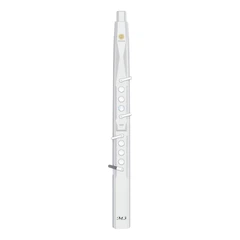

Title: Mastering Fast Note Connections and Jumps on the Electronic Saxophone
Introduction
The electronic saxophone, with its blend of traditional acoustic mechanics and modern digital technology, offers a unique platform for musicians to explore and develop their skills. One of the key techniques to master on this versatile instrument is the ability to play fast note connections and jumps with precision and ease. In this article, we will delve into the strategies and exercises that can help you improve your speed and accuracy on the electronic saxophone.
Understanding the Instrument
The electronic saxophone, like the traditional sax, requires a balance of breath control, finger dexterity, and embouchure to produce a wide range of tones and techniques. However, the electronic sax offers additional benefits such as silent practice options, a variety of built-in sounds, and often more sensitive key responses . These features can be leveraged to practice fast note connections and jumps effectively.
Breath Control and Embouchure
Before diving into fast note connections and jumps, it's essential to have a solid foundation in breath control and embouchure. The embouchure is everything when it comes to playing the saxophone. Exercising your embouchure muscles will much improve your tone and endurance . For the electronic saxophone, this is no different. A stable embouchure allows for consistent air support, which is crucial for executing fast passages.
Finger Dexterity Exercises
To improve finger speed and accuracy, start with basic exercises such as scales and arpeggios. Focus on maintaining a relaxed hand position with your fingertips close to the keys at all times. This proximity reduces the distance your fingers need to travel, allowing for quicker note connections .
1. Long Tones and Scales: Begin with long tones, holding each note for a extended period while maintaining perfect finger position. Gradually increase the speed as you become more comfortable.
2. Arpeggios and Chords: Practice arpeggios in different keys to familiarize your fingers with the layout of the saxophone keys and the muscle memory required for quick jumps.
3. Intervallic Jumps: Work on intervals, particularly large ones like octaves and tenths, to build the strength and flexibility needed for broad jumps on the saxophone.
4. Finger Agility Drills: Incorporate drills that specifically target quick finger movements, such as alternating patterns and repetitive sequences.
Technique and Practice Routine
When practicing fast note connections and jumps, it's important to approach the exercises with a methodical mindset:
1. Start Slow: Begin at a slow tempo, focusing on accuracy and smoothness. Gradually increase the speed as you become more comfortable and accurate .
2. Use a Metronome: A metronome is crucial for developing a consistent sense of rhythm and pace. Start at a slow setting and gradually increase the tempo as you gain confidence.
3. Break Down Difficult Passages: If you encounter a particularly challenging passage, break it down into smaller sections and practice each section individually before combining them.
4. Visualize: Visualization can be a powerful tool. Imagine the finger movements and the sound you want to produce before you play .
5. Consistent Practice: Regular practice is key. Set aside dedicated time each day to work on your technique and speed.
Electronic Saxophone Specifics
Leveraging the electronic nature of the saxophone can give you an edge in your practice:
1. Silent Practice: Use headphones to practice silently, allowing you to focus on your technique without distractions .
2. Sound Variation: Experiment with different sounds and settings on your electronic saxophone to challenge your ear and adapt to various tonal qualities.
3. Recording Yourself: Record your practice sessions to objectively listen back and analyze your progress .
Conclusion
Mastering fast note connections and jumps on the electronic saxophone requires a combination of technical proficiency, consistent practice, and the leveraging of the instrument's unique features. By following the tips and exercises outlined above, you'll be well on your way to improving your speed and accuracy, taking your electronic saxophone playing to new heights. Remember, the key to success is patience, persistence, and a commitment to regular practice.
Brand Name: SUNRISE MELODY
Model: XR3000
Timbre: 60 types
Five octaves metal roller
Bluetooth connection
4 fingering modes available to select
