

Here are several key aspects to judge the quality of an electric wind instrument:
Build and Materials
Body Construction: Examine the overall build of the instrument. High - quality electric wind instruments are usually made with durable materials. For example, the body might be constructed from a solid metal alloy or high - quality composite materials. These materials not only contribute to the instrument's durability but also affect its acoustic properties.
Keywork: Check the keys for smoothness and precision. Well - made keys should move freely without any sticking or looseness. They are often made of nickel - plated brass or other corrosion - resistant materials. The key pads should fit snugly and provide a good seal to ensure proper airtightness.
Mouthpiece and Reed: The mouthpiece should be comfortable to play and made of a material that provides good tone production. Some common materials for mouthpieces include plastic, ebonite, or metal. The reed (if applicable) should be of consistent quality and flexibility. A good reed can enhance the instrument's responsiveness and tonal range.
Sound Quality
Tonal Range: A quality electric wind instrument should offer a wide tonal range. It should be able to produce both low and high notes with clarity and consistency. Test the instrument across its entire range, from the lowest to the highest register, and listen for any notes that sound weak or out of tune.
Tone Color: The tone color should be rich and full. Different models may have distinct tonal characteristics, but a good instrument will have a tone that is pleasing to the ear and suitable for a variety of musical styles. For example, it might have a warm, mellow tone for jazz or a bright, penetrating tone for more upbeat or classical music.
Volume and Dynamics: The instrument should be capable of producing a wide range of volumes, from soft pianissimo to loud fortissimo. It should also respond well to changes in breath pressure and playing intensity, allowing for dynamic expression in your performance.
Electronic Components (if applicable)
Sensors and Signal Processing: In electric wind instruments with electronic components, check the responsiveness of the sensors. They should accurately detect your playing actions, such as key presses and breath pressure, and convert them into electrical signals without delay or inaccuracy. High - quality instruments use advanced sensor technology to ensure a natural and responsive playing experience.
Sound Engine and Effects: If the instrument has a built - in sound engine or effects, evaluate the quality and variety of the sounds it can produce. Look for a diverse range of preset sounds that cover different instrument types and musical genres. The effects, such as reverb, delay, and modulation, should be adjustable and add depth and dimension to the sound without introducing noise or distortion.
Brand Reputation and Reviews
Brand History: Research the brand of the electric wind instrument. Established brands with a long history of manufacturing musical instruments often have a reputation for quality and reliability. They have likely refined their manufacturing processes over the years and have a track record of producing instruments that meet the needs of professional musicians.
User Reviews: Read reviews from other players who have used the instrument. Online forums, music gear review websites, and social media groups can be valuable sources of information. Pay attention to both positive and negative reviews to get a balanced understanding of the instrument's strengths and weaknesses.
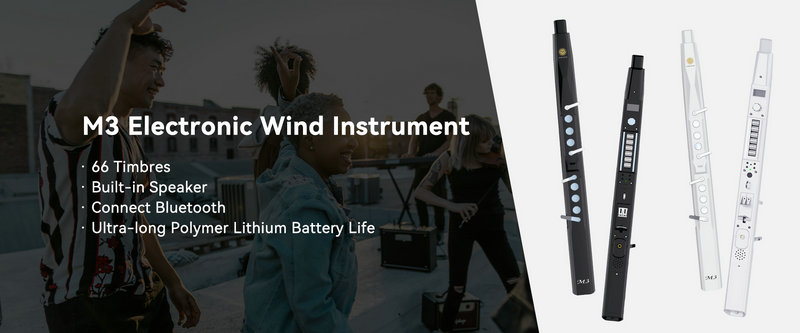
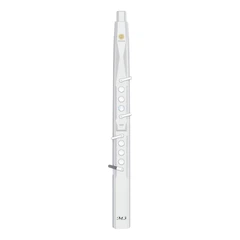
SUNRISE MELODY M3 Electronic Wind Instrument - The best-selling Electronic Wind Instrument
. 66 Timbres
. Built-in Speaker
. Connect Bluetooth
. Ultra-long Polymer Lithium Battery Life