

Here are some factors to consider when choosing the right external device for your electric wind instrument:
Purpose of Use
Recording: If the main goal is to record your electric wind instrument, an audio interface with high - quality analog - to - digital converters is crucial. Look for interfaces that support the appropriate sample rates and bit depths for professional - sounding recordings. For example, an interface with at least 24 - bit / 96kHz recording capabilities would be a good choice.
Live Performance: In a live setting, a reliable amplifier or a powered speaker is essential. Consider the size and power requirements based on the venues you'll be performing in. A small, portable amplifier might be sufficient for intimate gigs, while larger venues would require more powerful speakers.
Sound Modification: If you want to expand the range of sounds your electric wind instrument can produce, a synthesizer or a sound module would be a great option. These devices offer a wide variety of preset and customizable sounds, from traditional instrument sounds to unique, otherworldly tones.
Compatibility
Connection Types: Check the output ports on your electric wind instrument. If it has a MIDI output, you'll need an external device with a MIDI input. USB connectivity is also common, so make sure the device is compatible with the USB version supported by your instrument. For example, if your instrument has a USB - C port, ensure the external device has a USB - C input or an adapter that works seamlessly.
Software Compatibility: Some external devices come with their own software for customization and control. Ensure that this software is compatible with your computer's operating system (e.g., Windows, Mac OS, or Linux). Additionally, if you plan to use the external device with other music software (such as a digital audio workstation), check for compatibility and integration capabilities.
Sound Quality
Audio Fidelity: For the best sound quality, look for external devices with high - quality components. This includes things like low - noise preamps in audio interfaces and high - resolution oscillators in synthesizers. When comparing different models, read reviews and listen to audio samples to get an idea of the sonic capabilities.
Dynamic Range: A device with a wide dynamic range will be able to handle both soft and loud sounds without distortion. This is especially important for electric wind instruments, which can produce a wide variety of volumes depending on the player's breath control. Aim for devices with a dynamic range of at least 100 dB or more.
Budget Constraints
Set a Budget: Determine how much you are willing to spend on an external device. There are options available at various price points, from affordable beginner - friendly models to high - end professional devices. For example, if you're just starting out, you might find a basic audio interface for around $100 - $200 that meets your initial needs.
Value for Money: Consider the features and quality you are getting for the price. Sometimes, spending a little more upfront on a device with better build quality and more features can save you money in the long run by avoiding the need for frequent upgrades.
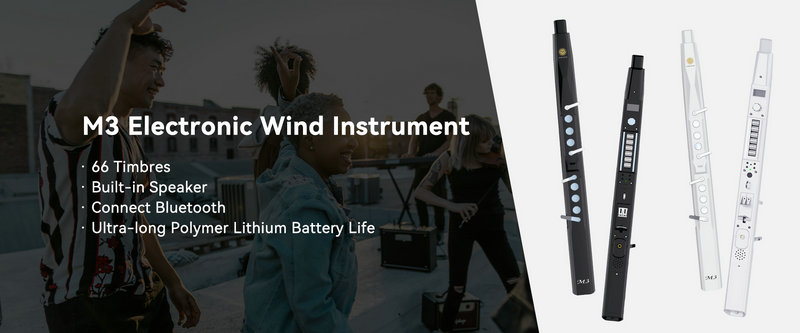
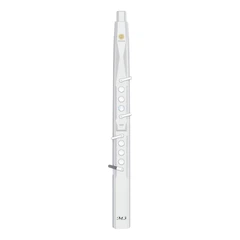
SUNRISE MELODY M3 Electronic Wind Instrument - The best-selling Electronic Wind Instrument
. 66 Timbres
. Built-in Speaker
. Connect Bluetooth
. Ultra-long Polymer Lithium Battery Life