
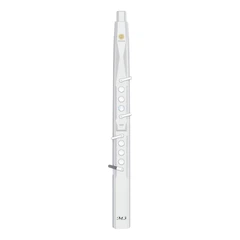


How the Electronic Saxophone Revolutionizes Music Making
The advent of the electronic saxophone has been a game-changer for musicians worldwide, offering new dimensions of expression and convenience. This article delves into the workings of the electronic saxophone, its standout features, top models, and how it's redefining the music landscape.
Understanding the Electronic Saxophone
The electronic saxophone, or e-sax, merges the traditional playing experience of a saxophone with state-of-the-art digital technology. Unlike its acoustic counterpart, which relies on a reed and resonator to produce sound, the e-sax translates a musician's breath and fingerwork into electronic signals that are processed to generate a diverse array of sounds.
Basic Operation
1. Breath Sensor: The mouthpiece features a breath sensor that captures the player's airflow, translating it into dynamic sound control, including nuances in volume and expression.
2. Key Sensors: Electronic sensors attached to the keys detect finger movements, similar to the keys on a digital piano.
3. Sound Generation: These electronic signals are processed by an internal synthesizer or an external sound module, creating a rich tapestry of sounds.
4. Amplification and Output: Musicians can choose to amplify the sound through headphones for private practice or through an amplifier for performance.
Key Features
1. Portability: E-saxes are designed to be lighter and more compact, making them a breeze to transport.
2. Versatility: They can connect to various sound modules or digital audio workstations (DAWs), allowing for an extensive range of sound production beyond traditional saxophone tones.
3. Practice Convenience: The ability to practice silently with headphones is a boon for those with noise restrictions or unconventional practice hours.
4. Durability and Low Maintenance: E-saxes eliminate the need for reed maintenance and共鸣箱 cleaning, making them more durable and easier to maintain.
Top Brands and Models
1. Akai Professional EWI 5000: Celebrated for its wireless functionality and expansive sound options, this model is a favorite among professionals for its advanced capabilities and portability.
2. Yamaha YDS-150: This model brings the tactile feel of an acoustic saxophone into the digital realm, offering 73 preset voices and compatibility with a smartphone app for enhanced customization.
3. Roland AE-10G: Lauded for its sound diversity, it enables musicians to produce a spectrum of instrument sounds, positioning it as a versatile instrument for a variety of musical genres.
4. Roland AE-05 Aerophone GO: Tailored for serious players, this model boasts an array of onboard sounds and Bluetooth connectivity for an uninterrupted playing experience.
5. Nuvo Soprano Saxophone: Although not electronic, it serves as an excellent introduction for beginners and children, providing a traditional saxophone experience in a more manageable size and weight.
Conclusion
The electronic saxophone is more than just a musical instrument; it's a testament to the seamless integration of traditional artistry and modern innovation. It stands as a versatile and practical choice for musicians across genres and skill levels, offering a gateway to creative expression that transcends the limitations of traditional woodwind instruments. As the e-sax continues to evolve, it promises to push the boundaries of what's musically possible, inviting saxophonists into a future where the only limit is their imagination.
Brand Name: SUNRISE MELODY
Model: XR3000
Timbre: 60 types
Five octaves metal roller
Bluetooth connection
4 fingering modes available to select


