
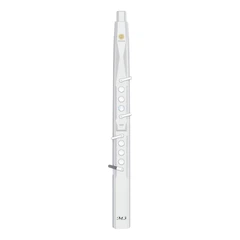


How Does the Electronic Saxophone Work?
The electronic saxophone, also known as an e-sax, is a modern evolution of the traditional saxophone that combines the feel of an acoustic instrument with the versatility and convenience of digital technology. Here's a detailed look at how these innovative instruments function and the features that set them apart.
Basic Operation
An electronic saxophone operates by sensing the player's breath and finger movements, much like a traditional saxophone, but instead of producing sound through a reed and resonance box, it converts these actions into electronic signals. These signals are then processed to generate a wide range of sounds that can be amplified and modified in various ways.
1. Breath Sensor: The mouthpiece of an e-sax is equipped with a breath sensor that detects the airflow and translates it into dynamic control of the sound, including volume and expression.
2. Key Sensors: The keys are linked to electronic sensors that send signals when pressed, just like a piano keyboard would.
3. Sound Generation: The electronic signals from the breath and key sensors are processed by a built-in synthesizer or an external sound module to produce sound.
4. Amplification and Output: The generated sound can be heard through headphones for quiet practice or through an amplifier for performance.
Key Features
1. Portability: Electronic saxophones are generally lighter and more compact than their acoustic counterparts, making them easier to transport.
2. Versatility: With the ability to connect to different sound modules or digital audio workstations (DAWs), e-saxes can produce a wide array of sounds, not just those of a saxophone.
3. Practice Convenience: The option to practice silently with headphones is a significant advantage, especially for those living in close quarters or needing to practice at odd hours without disturbing others.
4. Durability and Low Maintenance: Electronic saxophones do not require the same level of maintenance as traditional ones, such as reed changes and regular cleaning of theresonance box.
Top Brands and Models
1. Akai Professional EWI 5000: Known for its wireless capability and a wide range of sounds, it's highly regarded among professionals for its advanced features and portability .
2. Yamaha YDS-150: This model offers the feel of an acoustic saxophone with the benefits of digital technology, including 73 preset voices and the ability to connect to a smartphone app for further customization .
3. Roland AE-10G: Praised for its sound variety, this model allows players to produce not only saxophone sounds but also those of other instruments, making it a versatile choice for musicians .
4. Roland AE-05 Aerophone GO: Designed for serious players, it offers a range of onboard sounds and connectivity options, including Bluetooth, for a seamless playing experience .
5. Nuvo Soprano Saxophone: While not electronic, it's a good alternative for beginners and children, offering a similar playing experience to a traditional saxophone in a smaller, lighter package .
Conclusion
The electronic saxophone represents a fusion of traditional saxophone playing techniques with modern digital technology, offering musicians a versatile and convenient instrument suitable for a variety of settings and musical styles. Whether for professional performance, practice, or exploration of new sounds, e-saxes provide a compelling option for saxophonists of all levels.
Brand Name: SUNRISE MELODY
Model: XR3000
Timbre: 60 types
Five octaves metal roller
Bluetooth connection
4 fingering modes available to select


