
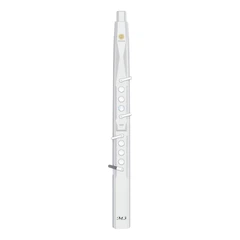


Playing the electric saxophone requires not only technical proficiency but also excellent breath control. Breath control is crucial for producing a smooth, consistent sound and adding expression and dynamics to your playing. Here are some detailed ways to improve your breath control ability when playing the electric saxophone.
I. Understanding the Importance of Breath Control
Before delving into specific techniques, it's essential to understand why breath control is so important. Breath is the power source for producing sound on the saxophone. A good breath control allows you to play with greater volume, better tone quality, and more expressiveness. It enables you to control the duration of notes, create smooth transitions between notes, and add nuances such as crescendos and decrescendos.
II. Basic Breathing Exercises
Diaphragmatic Breathing:
This is the foundation of good breath control. To practice diaphragmatic breathing, lie on your back with one hand on your chest and the other on your abdomen. As you inhale deeply through your nose, feel your abdomen rise and your chest remain relatively still. As you exhale, feel your abdomen contract. Practice this until you can feel the movement of your diaphragm clearly.
Slow and Controlled Breathing:
Sit or stand comfortably and take slow, deep breaths. Inhale for a count of four, hold your breath for a count of four, and then exhale for a count of four. Gradually increase the duration of each phase as you become more comfortable. This exercise helps you develop control over your breathing and increase your lung capacity.
III. Long Tone Exercises
Long tone exercises are an excellent way to improve breath control and tone production. Select a comfortable note and play it for as long as possible with a steady, consistent sound. Focus on maintaining a smooth airflow and controlling the volume and intensity of the note. As you run out of breath, try to make the note fade out gradually rather than cutting it off abruptly. Repeat this exercise with different notes and gradually increase the duration of each long tone.
IV. Dynamic Range Exercises
Playing with a wide dynamic range requires good breath control. Start by playing a soft note and gradually increase the volume to a loud note and then back down to a soft note. Pay attention to maintaining a consistent tone quality throughout the dynamic changes. This exercise helps you learn to control the airflow and pressure to produce different volumes.
V. Rhythmic Breathing Exercises
Rhythmic breathing can help you synchronize your breathing with the rhythm of the music. For example, you can inhale on the beat and exhale on the offbeat. Or you can take a breath every two or four beats depending on the tempo of the music. Practice playing simple rhythms while incorporating rhythmic breathing to improve your coordination.
VI. Interval Exercises
Playing intervals also challenges your breath control. Select two notes that are a few steps apart and play them back and forth. Focus on maintaining a consistent airflow and tone quality as you move between the notes. As you become more comfortable, increase the distance between the notes and the speed of playing.
VII. Physical Fitness and Breath Control
Good physical fitness can also contribute to better breath control. Regular exercise such as running, swimming, or cycling can improve your lung capacity and overall stamina. Additionally, practicing yoga or meditation can help you relax and improve your breathing awareness.
VIII. Mental Focus and Relaxation
Mental focus and relaxation are equally important for breath control. When playing the saxophone, try to stay calm and focused, and avoid tensing up your body. Visualize the airflow and sound as you play, and use positive self-talk to stay confident and in control. Take breaks when needed to relax and recharge.
IX. Seek Professional Instruction
Finally, seeking professional instruction can be extremely beneficial for improving your breath control. A good saxophone teacher can provide personalized feedback and guidance, correct any bad habits, and introduce you to advanced breathing techniques. They can also help you develop a practice routine that targets your specific needs and goals.
In conclusion, improving breath control when playing the electric saxophone takes time and practice. By incorporating these techniques into your daily practice routine and maintaining a consistent effort, you can gradually develop stronger breath control and enhance your overall playing ability. Remember to be patient with yourself and enjoy the process of learning and growing as a musician.
SUNRISE MELODY M1 Electronic Wind Instrument
. Revisit the passion and dreams of youth
. M1 electric clarinet wind instrument -- The good news for beginners
. Rich and diverse timbres
. Powerful functions and easy operation
. Perfect after-sales service


