

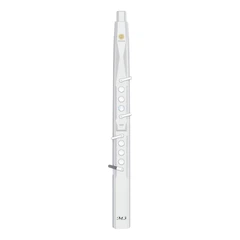

Title: The Fusion of Acoustic and Electronic Technology in Electronic Saxophones
Introduction
The electronic saxophone is a testament to the seamless integration of acoustic and electronic technology, creating a versatile instrument that bridges the gap between traditional and modern music. This innovative instrument combines the familiar feel and playability of an acoustic saxophone with the versatility and functionality of electronic music technology. In this article, we will explore how electronic saxophones achieve this fusion and the benefits it offers to musicians.
The Acoustic Core
At the heart of an electronic saxophone is its acoustic core, which includes the mouthpiece, reed, and keys. These components are designed to mimic the mechanics of a traditional saxophone, providing musicians with a familiar playing experience. The mouthpiece and reed are essential for producing sound, as the player's breath passes over the reed, creating vibrations that are transmitted through the instrument. The keys, similar to those on an acoustic saxophone, are used to change the pitch of the notes played.
The Electronic Enhancement
While the acoustic components provide the foundation for the electronic saxophone, it is the electronic enhancements that truly set it apart. These enhancements include:
1. Digital Sound Generation: Electronic saxophones use digital sound generation to produce a wide range of tones and effects. This is achieved through the use of oscillators, which generate the initial sound wave, and digital signal processing (DSP), which shapes and modifies the sound to emulate various instruments and styles.
2. MIDI Connectivity: Many electronic saxophones feature MIDI (Musical Instrument Digital Interface) connectivity, allowing them to interface with computers, synthesizers, and other electronic devices. This enables musicians to control a vast array of sounds and effects, as well as to record and sequence their performances.
3. Built-in Effects: Electronic saxophones often come equipped with built-in effects processors, such as reverb, delay, and distortion. These effects can be applied to the instrument's sound in real-time, allowing for creative exploration and experimentation.
4. Touch-sensitive Keys: Some electronic saxophones feature touch-sensitive keys, which respond to the player's dynamics and articulation. This allows for a more expressive and nuanced performance, as the instrument can respond to subtle changes in the player's touch.
5. Silent Practice: One of the most significant benefits of electronic saxophones is the ability to practice silently. By connecting headphones, musicians can play without disturbing others, making it an ideal choice for practice at home or in shared spaces.
The Fusion in Action
The combination of acoustic and electronic technology in electronic saxophones offers several advantages:
1. Versatility: Musicians can switch between traditional saxophone sounds and a wide range of electronic tones, allowing them to adapt to various musical styles and genres.
2. Portability: Electronic saxophones are often lighter and more compact than their acoustic counterparts, making them easier to transport and set up for performances.
3. Durability: Without the delicate components found in acoustic saxophones, such as pads and springs, electronic saxophones are more resistant to damage and require less maintenance.
4. Customization: Musicians can customize their sound and playing experience through various settings and adjustments, catering to their personal preferences and performance needs.
Conclusion
The electronic saxophone is a prime example of how acoustic and electronic technology can be combined to create a powerful and versatile instrument. By retaining the familiar feel of a traditional saxophone while incorporating advanced electronic features, electronic saxophones offer musicians a unique and exciting way to express their creativity and explore new musical possibilities. As technology continues to evolve, the potential for further innovation in electronic saxophones is limitless, promising an even brighter future for this groundbreaking instrument.
Brand Name: SUNRISE MELODY
Model: XR3000
Timbre: 60 types
Five octaves metal roller
Bluetooth connection
4 fingering modes available to select
