

The complexity of the sound synthesis algorithm has a significant impact on the degree of realism in the timbre simulation of electronic wind instruments in the following ways:
Accuracy of timbre reproduction:
Positive impact: A more complex sound synthesis algorithm can take into account more detailed characteristics of the sound of traditional wind instruments. For example, it can accurately simulate the changes in pitch, intensity, and timbre over time when a traditional instrument is played. This allows the electronic wind instrument to reproduce the unique timbre of a specific traditional instrument more accurately, enhancing the realism of the simulation.
Negative impact (if not optimized): However, an overly complex algorithm may also lead to errors or inaccuracies in sound reproduction. If the algorithm is not well-designed or optimized, it may introduce unwanted noise or distortion, which can reduce the realism of the timbre. For example, if the algorithm fails to handle the complex interaction between different sound components properly, the resulting sound may deviate from the real timbre of the traditional instrument.
Simulation of playing techniques and expressions:
Positive impact: Complex algorithms can better simulate the various playing techniques and expressions of traditional wind instruments. For instance, it can accurately reproduce the effect of breath control, such as the change in sound intensity and timbre caused by different breathing intensities and rhythms. It can also simulate the nuances of finger movements, such as the slight changes in pitch and timbre when the player presses the keys or valves. This enables the electronic wind instrument to more realistically reflect the playing style and expression of traditional instruments, thereby improving the degree of realism in timbre simulation.
Negative impact: On the other hand, if the algorithm is too complex and requires a large amount of computing power, it may cause a delay in the response of the electronic wind instrument. This means that the instrument may not be able to respond in real time to the player's playing actions, resulting in a disconnect between the playing experience and the expected sound effect. This can reduce the authenticity of the simulated timbre, especially when it comes to simulating fast-paced or complex playing techniques.
Adaptability to different playing environments and situations:
Positive impact: A sophisticated sound synthesis algorithm can adapt to different playing environments and situations, which is crucial for achieving realistic timbre simulation. For example, it can adjust the sound parameters according to the ambient temperature, humidity, and air pressure, just as the sound of a traditional wind instrument would be affected by these factors. This makes the simulated timbre more in line with the actual playing experience, enhancing the realism of the timbre simulation.
Negative impact: However, a complex algorithm may also be more sensitive to external interference and environmental changes. For instance, if the electronic wind instrument is used in a noisy environment or with unstable power supply, the complex algorithm may be affected by these factors, resulting in fluctuations in the simulated timbre and affecting the stability and realism of the sound.
Processing speed and efficiency:
Positive impact: A well-designed complex algorithm can achieve high processing speed and efficiency, allowing the electronic wind instrument to quickly generate and process sound signals. This ensures that the simulated timbre is smooth and continuous, without obvious glitches or interruptions. Fast processing speed also enables the instrument to respond in real time to the player's playing actions, enhancing the interactivity and realism of the playing experience.
Negative impact: But if the algorithm is too complex and requires excessive computing resources, it may cause a burden on the hardware of the electronic wind instrument, resulting in slow processing speed and latency. This can lead to delays in sound generation, affecting the accuracy and realism of the timbre simulation. In severe cases, it may even cause the instrument to freeze or crash, making it impossible to play normally.
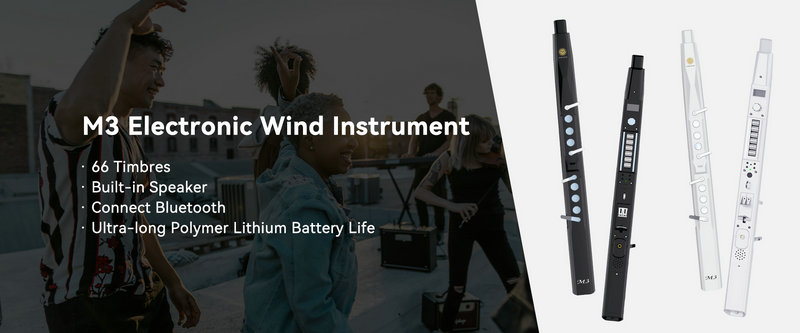
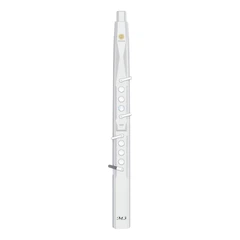
SUNRISE MELODY M3 Electronic Wind Instrument - The best-selling Electronic Wind Instrument
. 66 Timbres
. Built-in Speaker
. Connect Bluetooth
. Ultra-long Polymer Lithium Battery Life