
There is a limit to the degree of realism in the timbre simulation of electronic wind instruments to some extent. Here are the reasons:
Physical structure differences: Traditional wind instruments have unique physical structures and acoustic characteristics that contribute to their specific timbres. For example, the shape, material, and internal structure of a flute or saxophone affect the way air vibrates and produces sound. Electronic wind instruments, despite their advanced technology, cannot fully replicate these physical characteristics. Although they can simulate the general tone and frequency of a certain instrument, they may not be able to accurately reproduce the subtle nuances and resonance effects that result from the physical structure of the traditional instrument.
Playing techniques and expressions: Traditional wind instrument players use various playing techniques and expressions to create rich and diverse timbres, such as breath control, embouchure changes, vibrato, and glissando. These techniques require the interaction between the player and the instrument, and the player's physical skills and artistic expression. Electronic wind instruments can simulate some of these techniques to a certain extent through sensors and digital processing, but there is still a gap compared to the authenticity and flexibility of traditional playing techniques. For example, the feel and response of breath control on an electronic wind instrument may not be exactly the same as on a real wind instrument, affecting the realism of the timbre.
Sound sampling and processing limitations: The timbre simulation of electronic wind instruments depends on sound sampling and digital processing technology. Although the quality of sound sampling has been continuously improved, there are still limitations in sampling accuracy and resolution. Some high-frequency or complex sound components may not be fully captured during the sampling process, resulting in a certain degree of loss in the simulated timbre. In addition, the digital processing algorithms used in electronic wind instruments may also introduce some artifacts or distortions, affecting the authenticity of the timbre.
However, with the continuous development of technology, the performance of electronic wind instruments in timbre simulation is also constantly improving. Manufacturers are constantly exploring and innovating to make the timbre simulation of electronic wind instruments more realistic and close to traditional instruments.
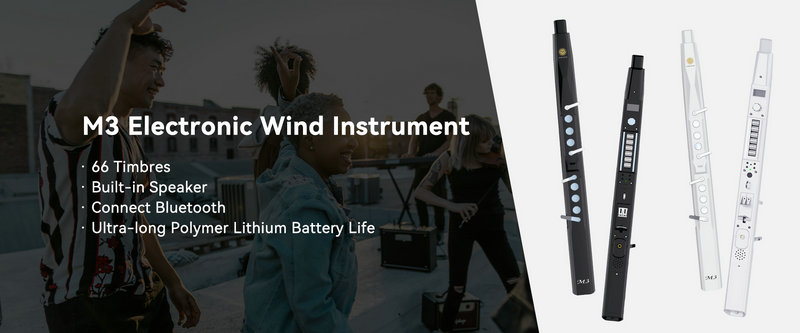
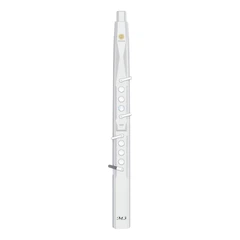
SUNRISE MELODY M3 Electronic Wind Instrument - The best-selling Electronic Wind Instrument
. 66 Timbres
. Built-in Speaker
. Connect Bluetooth
. Ultra-long Polymer Lithium Battery Life