

The player's skills and playing style have a profound and multi-faceted impact on the sound quality of the hulusi. Let's break it down into various components for a comprehensive understanding.
Skill-wise, breath control is of paramount importance. A skilled player can manipulate the inhalation and exhalation with precision and finesse. They can produce a steady and consistent airflow, which results in a smooth and continuous tone. For instance, when playing a long and sustained note, a player with excellent breath control can maintain the pitch and volume without any wavering or fading. This creates a rich and full sound that is pleasing to the ear.
The finger technique also plays a significant role. The dexterity and accuracy with which the player covers and uncovers the holes determine the clarity and pitch accuracy of the notes. A proficient player can execute rapid passages and complex melodic runs with ease, ensuring that each note is distinct and in tune. This contributes to a clean and precise sound quality.
The embouchure, or the way the player positions their lips and mouth on the mouthpiece, affects the timbre and tone color of the sound. Different embouchures can produce variations from a soft and mellow tone to a more vibrant and sharp one. Skilled players can consciously adjust their embouchure to achieve the desired tonal effect, adding expressiveness and character to the music.
The ability to control dynamics, which includes playing both loudly and softly, is another crucial skill. A player who can master the art of dynamic contrast can create a wide range of emotions and expressions through the sound of the hulusi. From a gentle and delicate whisper to a powerful and bold statement, the dynamic range adds depth and dimension to the music.
In terms of playing style, it greatly influences the overall sonic impression. A player with a lyrical and flowing style might focus on creating smooth and connected phrases, emphasizing the beauty of the melody. This could result in a sound that is soothing and enchanting.
On the other hand, a player with a more rhythmic and energetic style might emphasize strong beats and accents, creating a driving and exciting sound. The choice of ornaments, such as trills, glissandos, and vibrato, also shapes the playing style and subsequently the sound quality.
For example, a player who frequently uses trills and rapid ornamentations can add a sense of playfulness and virtuosity to the sound. Meanwhile, a player who opts for a more sparing use of ornaments might present a simpler and more pure sound.
The interpretation of the music itself also plays a role. Different players might bring out various emotions and meanings in the same piece of music, which is reflected in the sound quality. One player might approach a piece with a melancholic and introspective mood, resulting in a slower and more soulful sound. Another player might interpret it with joy and exuberance, creating a brighter and more animated tone.
The speed and tempo at which the player performs can have an impact as well. A slower tempo might allow for more emphasis on each note, creating a more deliberate and thoughtful sound. A faster tempo, on the other hand, can generate a sense of urgency and excitement.
The player's choice of phrasing and articulation also contributes to the sound quality. The way they group notes into phrases, and the way they start and end each phrase can influence the flow and continuity of the music.
Let's consider a specific piece played by two different players with distinct skills and styles. Player A, who has exceptional breath control and a preference for a gentle and flowing style, might produce a version that evokes a sense of tranquility and serenity. Player B, with a more dynamic and aggressive style and precise finger technique, might present a rendition that is full of energy and excitement.
In conclusion, the player's skills and playing style are integral in shaping the sound quality of the hulusi. Through the combination of breath control, finger technique, embouchure, and their individual interpretation and style choices, players can create a diverse range of sounds that bring the instrument to life and convey a wide spectrum of emotions and musical expressions.
I hope this extensive discussion provides you with a comprehensive understanding of how the player's skills and playing style affect the sound quality of the hulusi. If you have any further questions or need additional insights, please feel free to ask.
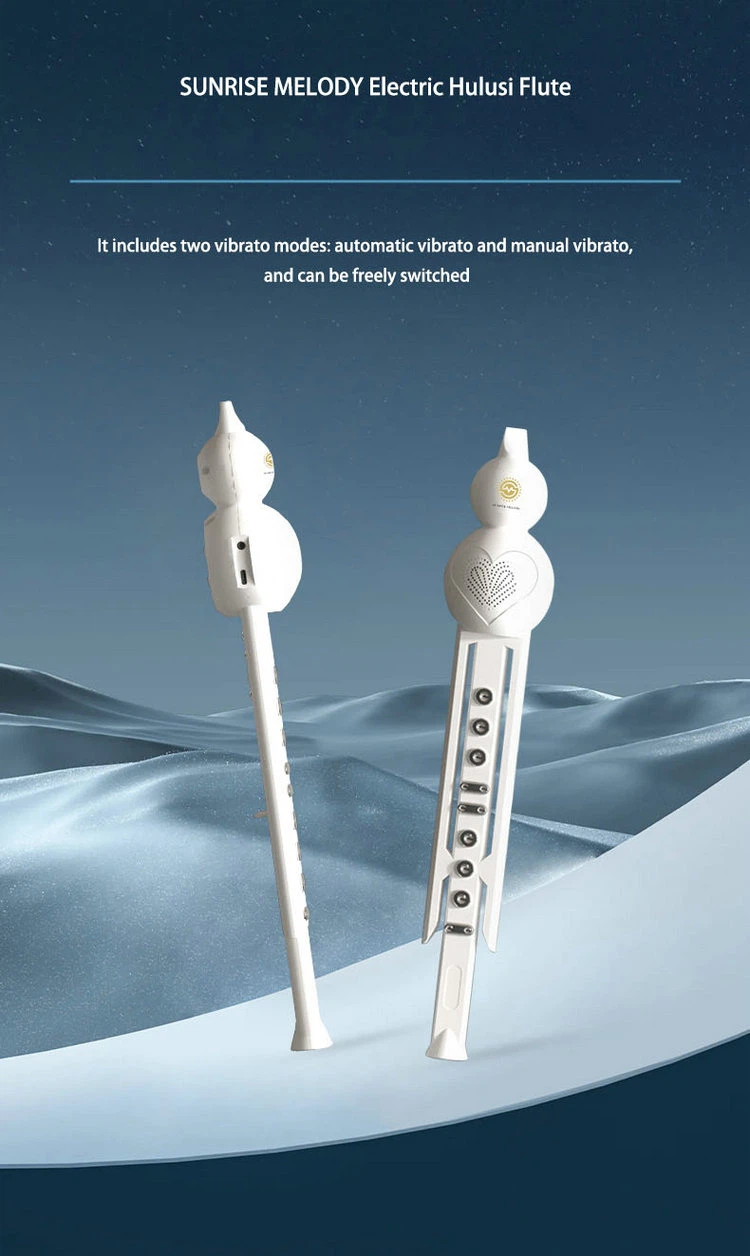
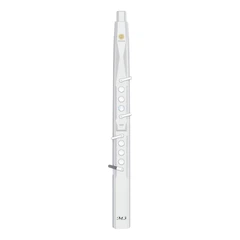
SUNRISE MELODY Electric hulusi flute instrument
Chinese hulusi flute instrument has a unique ethnic style and is extremely ethnic.
And it has a good volume and 10 timbres, it is easy to learn and simple to use, especially suitable for beginners.
6 Major Core Selling Points, a variety of innovative functions to meet different performance needs:
10 kinds of timbres
Touchable octave
Connect headphones
Four fingerings
Built-in battery
Built-in speakers