

Developing finger dexterity and articulation skills are essential for any Hulusi player. Here are some resources and techniques to help you improve these skills:
Bilibili Video Tutorials:
There are a series of tutorial videos on Bilibili that cater to beginners, covering topics from understanding the Hulusi, learning finger techniques, and learning small tunes like "Twinkle Twinkle Little Star" and "The Peacock Dances Gently."
Single Tutting Technique:
As explained on the Minzu Yueqi Network, mastering the single tutting technique is crucial for beginners. It involves using a short, forceful burst of air to make the reed vibrate and produce a clear, distinct note.
Breathing Techniques:
Proper breathing methods, such as abdominal breathing, ensure a steady and even airflow, which is fundamental to playing the Hulusi effectively.
Finger Placement and Movement:
Precise contact and separation between the tongue and the Hulusi mouthpiece are essential for clear articulation of each note.
Tremolo Skills:
Tremolo is a common technique in Hulusi playing that adds expressiveness to the music. It involves rapidly alternating between the main note and the note a second higher.
Finger Vibrato:
Finger vibrato involves the fingers moving quickly over the holes to create a波动 effect. This technique is crucial for adding different degrees of fluctuation to the sound.
Virtual Finger Tremolo:
This is a unique technique of Hulusi where the fingers fan near the holes without directly covering them, creating a subtle vibration effect.
Abdominal Tremolo:
This technique relies on the elastic vibration of the diaphragm and abdominal muscles, resulting in a natural and subtle fluctuation in the airflow.
Arm Tremolo:
Arm tremolo is achieved by the tension and rigidity of the arm, which is used to create a tremolo effect.
Daily Practice:
Consistent daily practice is essential for mastering finger dexterity and articulation. Focus on exercises that challenge finger flexibility, speed, and accuracy.
Musical Interpretation:
Understanding the emotional context of the music you are playing can help you incorporate the appropriate techniques to express the intended mood.
Listening to Master Players:
Listening to recordings of skilled Hulusi players can provide insights into how they apply various techniques to enhance their performance.
Repertoire Expansion:
Expand your repertoire by learning traditional Chinese pieces, folk songs, and contemporary compositions that challenge your finger dexterity and articulation skills.
Recording and Self-Analysis:
Record your practice sessions to analyze your technique and identify areas for improvement.
Participation in Ensembles:
Joining ensembles provides opportunities to learn from other musicians and gain experience playing with others.
Continuing Education:
Consider taking lessons from a Hulusi teacher or attending workshops to further develop your skills.
Physical Well-being:
Maintain good physical health to support your practice and performance. This includes proper posture, hand positioning, and avoiding strain or injury.
Mental Preparation:
Develop a positive mindset and stay motivated through goal setting and celebrating your progress.
Technique Variation:
Experiment with different techniques to find what works best for you and suits your personal style of playing.
Adaptability:
Be prepared to adapt your technique to different musical contexts and performance situations.
Performance Anxiety Management:
Learn strategies to manage performance anxiety, such as deep breathing, visualization, and focusing on the music rather than the audience.
Instrument Care and Setup:
Proper care of your Hulusi and setting it up correctly can have a significant impact on your playing experience and technique.
Exploration of Advanced Techniques:
As you progress, explore advanced techniques such as double and triple tonguing, which can add complexity and interest to your playing.
Integration of Techniques:
Learn to integrate various techniques seamlessly into your playing to create a more nuanced and expressive performance.
Peer Feedback:
Exchange ideas and receive feedback from fellow Hulusi players to gain new perspectives on your playing.
By incorporating these resources and techniques into your practice routine, you can gradually improve your finger dexterity and articulation skills on the Hulusi. Remember, the key to mastering these skills lies in consistent practice, patience, and a deep appreciation for the instrument's cultural and musical heritage.
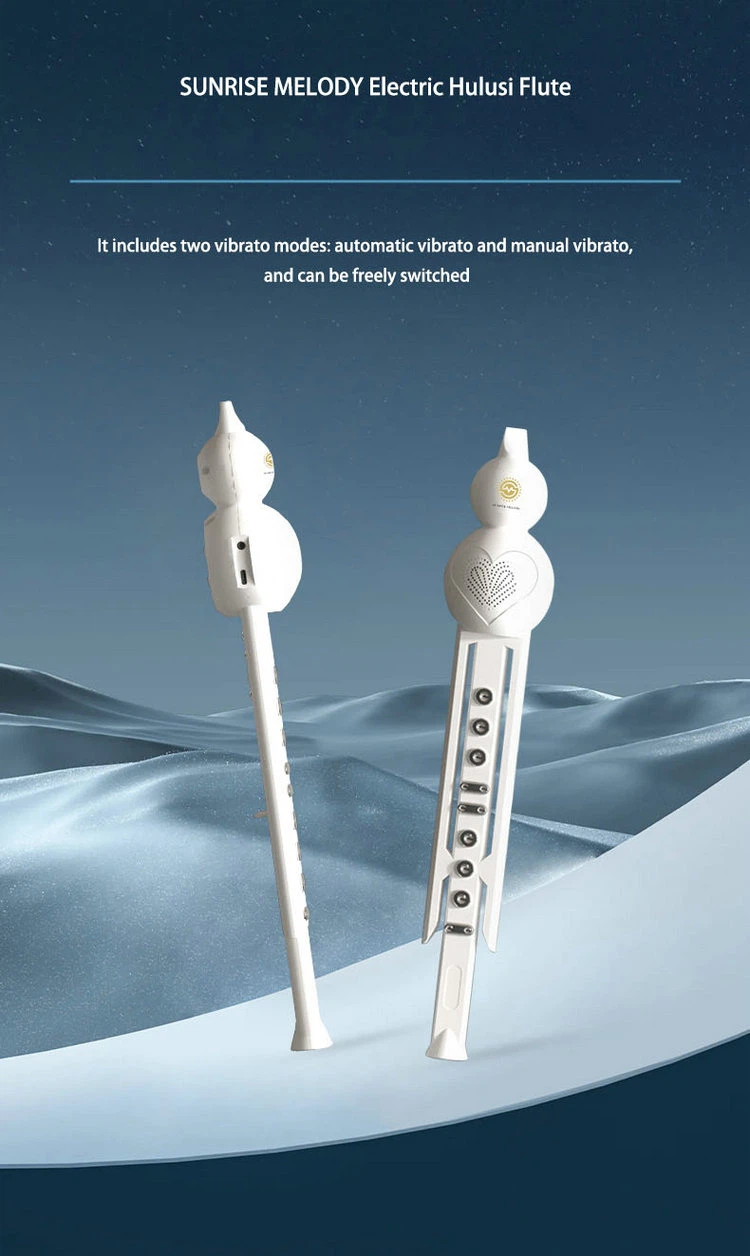
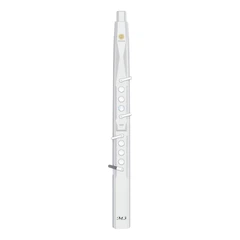
SUNRISE MELODY Electric hulusi flute instrument
Chinese hulusi flute instrument has a unique ethnic style and is extremely ethnic.
And it has a good volume and 10 timbres, it is easy to learn and simple to use, especially suitable for beginners.
6 Major Core Selling Points, a variety of innovative functions to meet different performance needs:
10 kinds of timbres
Touchable octave
Connect headphones
Four fingerings
Built-in battery
Built-in speakers