

Beyond breathing exercises, there are numerous factors that can have a significant impact on the sound quality of the hulusi. Let's start by looking at the instrument's design and construction.
The material chosen for the hulusi is of utmost importance. Bamboo, which is commonly used, comes in various qualities and types. The age of the bamboo, its density, and the way it was grown all contribute to its acoustic properties. For example, a bamboo that was harvested at the right time and has a consistent density throughout will likely produce a more resonant and balanced sound. If the bamboo is too young or too old, it might lack the necessary stiffness or flexibility, resulting in a less vibrant tone.
The shape and dimensions of the hulusi also play a crucial role. The length and diameter of the main tube affect the pitch range and the volume of the sound. A longer tube typically produces lower pitches, while a narrower diameter can lead to a brighter and more focused sound. The precise measurements and proportions are determined by the instrument maker's expertise and the desired sonic characteristics.
The positioning and size of the sound holes are another critical aspect. The holes need to be placed accurately to achieve proper intonation and ease of playing. If they are too close together or too far apart, it can make it challenging to produce accurate pitches and smooth transitions between notes. The size of the holes also influences the amount of air that escapes, affecting the volume and timbre of the sound.
The quality of the reed or membrane is of significant importance. A well-made reed, whether it's made of natural materials or synthetic ones, should be responsive and consistent in its vibration. The thickness, flexibility, and attachment method of the reed all contribute to the sound produced. A poorly functioning reed might cause inconsistent tones, leaks in the air flow, or a lack of clarity.
The craftsmanship in assembling the hulusi is equally essential. Smooth joints, proper sealing, and accurate alignment of components ensure that the air flow within the instrument is unobstructed. Any leaks or rough edges can cause air turbulence, affecting the sound quality and making it less smooth and controlled.
Now let's consider the player's technique and physical aspects.
The embouchure, or the way the player positions their lips and mouth on the mouthpiece, has a direct impact on the sound. The angle of the lips, the amount of pressure applied, and the shape of the oral cavity all contribute to the tone and volume produced. Different embouchures can create variations in timbre, from a soft and mellow sound to a more piercing and intense one.
The finger technique is another important factor. How precisely and quickly the player covers and uncovers the holes affects the pitch accuracy and the smoothness of the playing. Fingers that are too tense or not coordinated can lead to unintended notes or breaks in the sound.
The player's breath support and control are not only related to breathing exercises but also to their overall physical strength and stamina. A player with good core strength and the ability to control the muscles involved in breathing can produce a more sustained and consistent air flow, resulting in a more stable and powerful sound.
The speed and force of the air blown into the instrument also play a role. Blowing too hard or too soft can lead to overblown or weak tones, respectively. Finding the right balance and being able to adjust the air pressure according to the musical requirements is a skill that takes time and practice to master.
The player's musical interpretation and expression also have an impact on the sound quality. How they apply dynamics (loud and soft), articulation (staccato, legato), and phrasing can transform the raw sound produced by the instrument into a musical statement. A player who understands the emotional content of the music and is able to convey it through their playing can bring out the full potential of the hulusi's sound.
Environmental factors can also affect the sound of the hulusi.
The temperature and humidity of the environment can cause the bamboo or wood to expand or contract, which can slightly alter the tuning and the resonance of the instrument. Playing in a dry climate might make the instrument sound sharper, while a more humid environment could result in a mellower tone.
The acoustics of the playing space can also have an influence. A large, reverberant room can enhance the sustain and resonance of the sound, while a smaller, more confined space might make the sound seem more direct and focused.
The type and quality of the accessories used with the hulusi, such as the mouthpiece cover or the strap, can have a subtle but noticeable effect. A well-fitted mouthpiece cover can improve the air seal and the comfort of playing, while a comfortable strap can help the player maintain a good posture and playing position.
Let's take a look at some practical examples. Imagine a player using a hulusi with slightly misaligned sound holes. Despite their best efforts in breathing and technique, they might struggle to achieve accurate pitch and consistent tone. Another example could be a player who has excellent finger technique but lacks the breath support to sustain long notes, resulting in a fragmented and less expressive performance.
In conclusion, achieving a high-quality sound on the hulusi is the result of a combination of factors related to the instrument itself, the player's skills and technique, and the environment in which it is played. By understanding and addressing each of these elements, players can continuously strive to improve the sound they produce and fully unlock the potential of this wonderful instrument.
I hope this detailed exploration has provided you with a comprehensive understanding of the various factors that can affect the sound quality of the hulusi. If you have any further questions or need more specific information, please don't hesitate to ask.
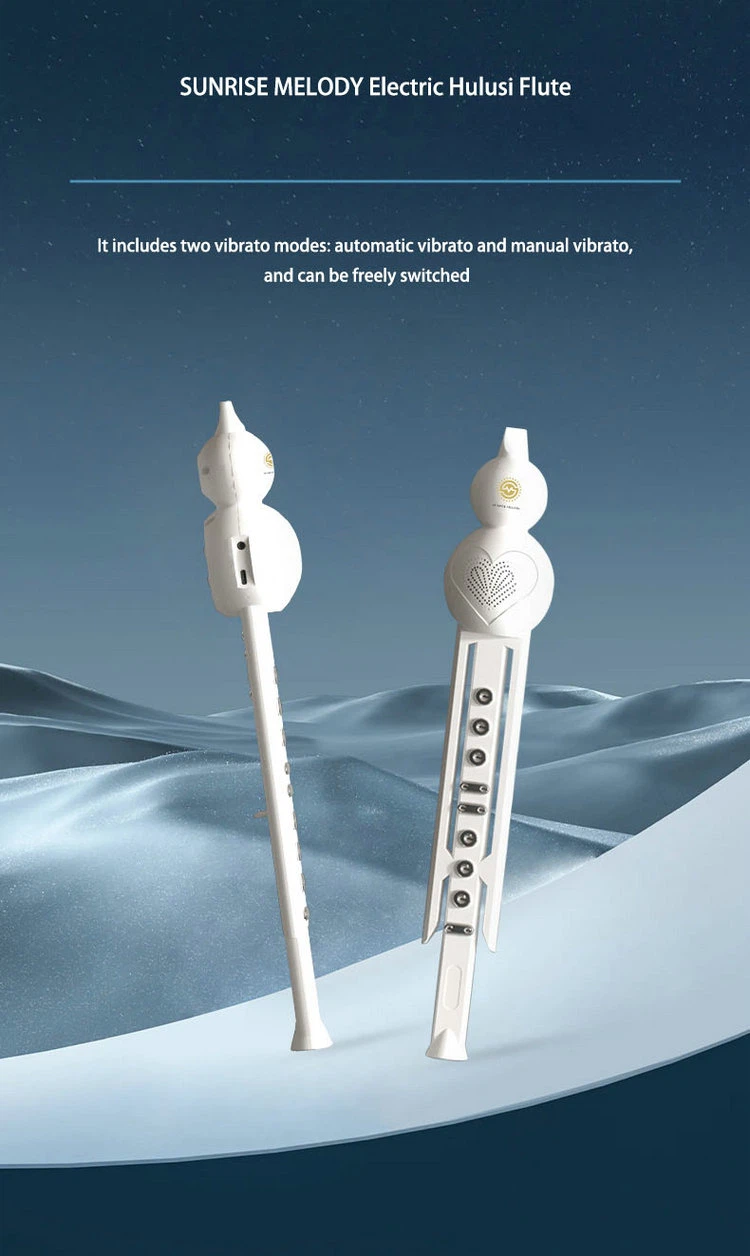
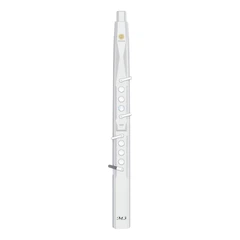
SUNRISE MELODY Electric hulusi flute instrument
Chinese hulusi flute instrument has a unique ethnic style and is extremely ethnic.
And it has a good volume and 10 timbres, it is easy to learn and simple to use, especially suitable for beginners.
6 Major Core Selling Points, a variety of innovative functions to meet different performance needs:
10 kinds of timbres
Touchable octave
Connect headphones
Four fingerings
Built-in battery
Built-in speakers