

Electronic wind instrument players can develop alternative fingerings in the following ways:
Experimentation and Exploration
You can start by simply experimenting with different finger combinations. Try various placements of your fingers on the keys or buttons to see what sounds and effects you can create. Play around with different sequences and see how they alter the pitch and tone. For example, you might try using a different finger to close a particular hole that you would normally use a specific finger for. This can lead to unexpected results and new possibilities.
Drawing Inspiration from Other Instruments
Look to traditional wind instruments for inspiration. Study the fingerings used on saxophones, flutes, clarinets, etc. and see if you can adapt some of those techniques to your electronic wind instrument. Maybe a fingering that works well on a flute could be modified to work on your electronic instrument and produce a unique sound. You might find that a certain fingering used on a traditional instrument can be tweaked to create a more convenient or interesting sound on your electronic one.
Listening and Analyzing
Listen to recordings of accomplished electronic wind instrument players. Pay attention to their fingerings and try to figure out how they are achieving certain sounds. Analyze their playing style and see if you can identify any alternative fingerings they might be using. You can then try to replicate those fingerings and see how they work for you. For instance, if you hear a player smoothly transition between two notes in a way that seems unusual, try to figure out what fingerings they might be using to achieve that seamless transition.
Collaboration and Exchange
Engage with other electronic wind instrument players. Join online forums, attend workshops, or participate in local music groups. Share your experiences and learn from others. You might discover new alternative fingerings that other players have developed. Through discussions and collaborations, you can gain new perspectives and ideas. Someone else might have come up with a fingering that you hadn't thought of, and vice versa. Sharing knowledge can lead to a collective growth in the community and help you expand your repertoire of fingerings.
Using Software and Apps
There are software programs and apps designed for electronic wind instruments that can help you explore different fingerings. These tools often provide visual representations of the instrument's layout and allow you to experiment with different fingerings in a virtual environment. Some apps even offer tutorials and exercises to help you develop new techniques. You can use these resources to test out various fingerings without the pressure of performing in real time. They can also provide feedback on your playing and help you refine your fingerings.
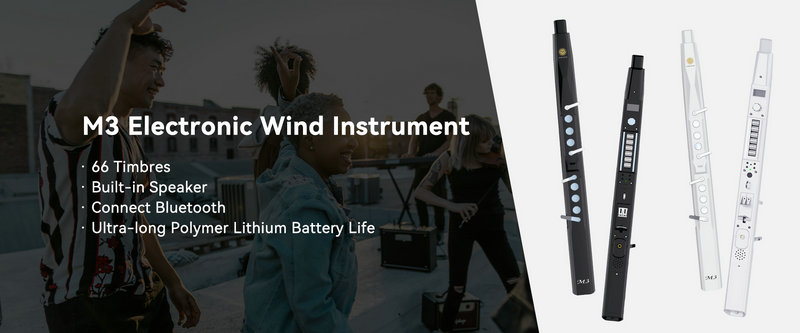
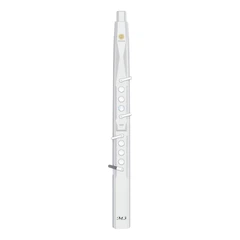
SUNRISE MELODY M3 Electronic Wind Instrument - The best-selling Electronic Wind Instrument
. 66 Timbres
. Built-in Speaker
. Connect Bluetooth
. Ultra-long Polymer Lithium Battery Life