
Electronic wind instruments have several important parameters that contribute to their performance and playability. Here are some of the key parameters:
Sound Source and Sampling Rate: The sound source determines the basic timbre of the instrument. High-quality sound sources and sampling rates can result in more realistic and detailed sounds.
Number of Voices or Polyphony: This refers to the number of simultaneous notes that the instrument can produce. A higher polyphony allows for more complex musical arrangements.
Pitch Range: The pitch range indicates the lowest and highest notes that the instrument can play. A wide pitch range provides more flexibility in musical expression.
Key Sensitivity and Response: The sensitivity and response of the keys or buttons affect how accurately and expressively the player can control the pitch and dynamics of the notes.
MIDI Compatibility: MIDI (Musical Instrument Digital Interface) compatibility enables the instrument to communicate with other MIDI devices, such as keyboards, synthesizers, or computers, expanding its functionality and integration possibilities.
Built-in Effects and Processors: Many electronic wind instruments come with built-in effects like reverb, chorus, delay, or filters. These effects can enhance the sound and add creative possibilities.
Interface and Controls: The design and layout of the instrument's interface, including buttons, knobs, and displays, should be user-friendly and intuitive, allowing for easy access to various functions and settings.
Connectivity Options: Available connectivity ports, such as USB, audio in/out, or MIDI in/out, determine how the instrument can be connected to other devices or external sound systems.
Power Source and Battery Life: If the instrument is portable, the power source (battery or AC adapter) and its battery life are important considerations for on-the-go use.
Weight and Portability: For musicians who need to move the instrument frequently, its weight and portability can be crucial factors.
Price and Value for Money: The price of the instrument in relation to its features and quality is an important parameter for many buyers, ensuring they get the best value for their investment.
Brand Reputation and Reviews: The reputation of the brand and positive reviews from other users can provide an indication of the instrument's reliability, performance, and customer satisfaction.
When choosing an electronic wind instrument, it's essential to consider these parameters based on your specific needs, playing style, and budget to find the instrument that best suits you. Additionally, trying out different models and comparing their sounds and features in person can be very helpful in making an informed decision.
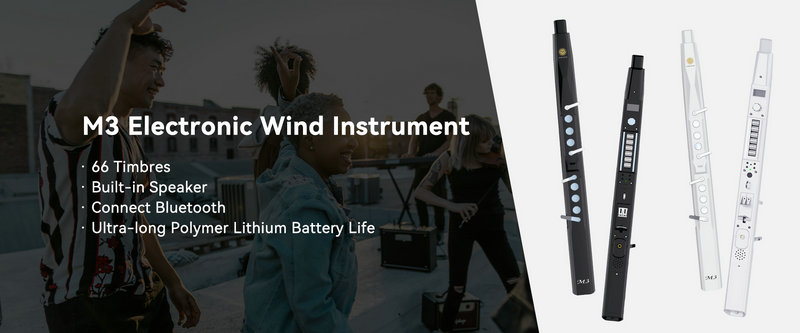
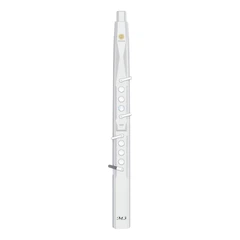
SUNRISE MELODY M3 Electronic Wind Instrument - The best-selling Electronic Wind Instrument
. 66 Timbres
. Built-in Speaker
. Connect Bluetooth
. Ultra-long Polymer Lithium Battery Life