

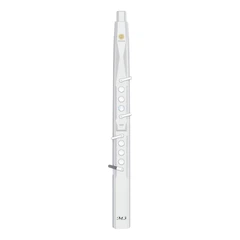

The Application and Characteristics of Electric Saxophone in Rock Music
The electric saxophone has made a significant impact on the world of rock music, adding a unique and powerful dimension to the genre. With its distinct sound and capabilities, it has become an instrument that can transform a rock song and take it to new heights.
I. Introduction to Rock Music and the Role of Instruments
Rock music is known for its energetic beats, driving guitars, and powerful vocals. It is a genre that has evolved over the years, incorporating a wide range of instruments to create its signature sound. While guitars, drums, and bass are the staples of rock music, other instruments like keyboards and horns have also found their place in the genre. The electric saxophone is one such instrument that has made a mark in rock music.
II. The Application of Electric Saxophone in Rock Music
Solo Performances
The electric saxophone can take center stage in a rock song with a solo performance. Its powerful sound can cut through the mix and draw the listener's attention. A skilled saxophonist can use various techniques such as vibrato, glissando, and growling to add expression and emotion to the solo. For example, in a slow rock ballad, a soulful saxophone solo can add a touch of melancholy and longing, while in an upbeat rock anthem, a high-energy solo can bring the crowd to its feet.
Backing Instrument
The electric saxophone can also serve as a backing instrument, providing texture and depth to the overall sound. It can play in harmony with the guitars, keyboards, and other instruments, adding a rich layer of sound to the music. For instance, in a hard rock song, the saxophone can play a repetitive riff that drives the song forward, or in a progressive rock piece, it can add complex countermelodies that enhance the musical complexity.
Special Effects
The electric saxophone can be used to create special effects in rock music. With the help of effects pedals and processors, the saxophonist can manipulate the sound of the instrument to create unique and unusual sounds. For example, using a distortion pedal can give the saxophone a raw and edgy sound, while a delay pedal can create a dreamy and atmospheric effect. These special effects can add an element of surprise and excitement to the music, making it more engaging for the listener.
III. Characteristics of Electric Saxophone in Rock Music
Power and Volume
One of the main characteristics of the electric saxophone in rock music is its power and volume. Unlike a traditional acoustic saxophone, the electric saxophone can be amplified to a much higher level, allowing it to compete with the loud guitars and drums in a rock band. This makes it ideal for playing in large venues and festivals, where the sound needs to reach a large audience.
Versatility
The electric saxophone is a highly versatile instrument that can be used in a variety of ways in rock music. It can play different styles and genres, from hard rock and metal to soft rock and ballads. It can also be used to create different moods and atmospheres, from intense and aggressive to mellow and soothing. This versatility makes it a valuable addition to any rock band.
Electronic Enhancements
The electric saxophone often comes with electronic enhancements such as built-in effects processors and MIDI capabilities. These enhancements allow the saxophonist to manipulate the sound of the instrument in real-time, creating a wide range of sounds and effects. For example, using a MIDI controller, the saxophonist can trigger samples and loops, adding a new dimension to the music. These electronic enhancements make the electric saxophone a truly unique instrument in the world of rock music.
Visual Appeal
In addition to its sound, the electric saxophone also has a visual appeal that can enhance the stage presence of a rock band. With its sleek design and colorful lights, it can add a touch of glamour and excitement to the performance. The saxophonist can also use showmanship and stage antics to engage the audience and create a memorable experience.
IV. Famous Rock Bands and Musicians Who Use Electric Saxophone
Pink Floyd
Pink Floyd is one of the most famous rock bands in history, and they have used the electric saxophone in many of their songs. The saxophone solos in songs like "Money" and "Us and Them" are some of the most iconic moments in rock music. The band's use of the saxophone added a touch of sophistication and elegance to their music, making it stand out from other rock bands of the time.
Dire Straits
Dire Straits is another band that has made use of the electric saxophone. In songs like "Sultans of Swing" and "Money for Nothing," the saxophone adds a bluesy and jazzy flavor to the music, giving it a unique sound. Mark Knopfler's guitar playing and the saxophone solos by Chris White and Michael Brecker are a perfect combination, creating some of the most memorable moments in rock music history.
Bruce Springsteen
Bruce Springsteen is known for his energetic live performances, and he often uses the electric saxophone to add an extra layer of excitement to his shows. Clarence Clemons, who played saxophone in Springsteen's E Street Band, was known for his powerful solos and stage presence. The saxophone became an integral part of Springsteen's sound, adding a touch of soul and passion to his music.
V. Conclusion
The electric saxophone has become an important instrument in the world of rock music, adding power, versatility, and visual appeal to the genre. Its ability to create unique sounds and effects makes it a valuable addition to any rock band, and its presence on stage can enhance the overall performance. Whether used for solo performances, backing instrument, or special effects, the electric saxophone has the potential to transform a rock song and take it to new heights. As rock music continues to evolve, the electric saxophone will undoubtedly continue to play an important role in shaping the sound of the genre.
SUNRISE MELODY M1 Electronic Wind Instrument
. Revisit the passion and dreams of youth
. M1 electric clarinet wind instrument -- The good news for beginners
. Rich and diverse timbres
. Powerful functions and easy operation
. Perfect after-sales service
