
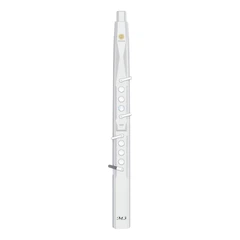


《Formulating an Effective Practice Plan for a Digital Saxophone》
Introduction:
Learning to play a digital saxophone can be a rewarding and fulfilling experience. However, to achieve proficiency and progress in playing, it is essential to have an effective practice plan. A well-structured practice plan not only helps you make the most of your practice time but also keeps you motivated and focused. In this article, we will discuss how to formulate an effective practice plan for a digital saxophone.
I. Set Clear Goals
A. Short-Term and Long-Term Goals
Before you start creating a practice plan, it is important to set clear goals. Goals give you direction and motivation. They can be short-term or long-term. Short-term goals might include learning a specific song, mastering a particular technique, or improving your tone quality. Long-term goals could be performing in public, joining a band, or becoming a professional digital saxophone player.
B. Make Goals Specific and Measurable
Your goals should be specific and measurable. For example, instead of saying "I want to improve my playing," say "I want to be able to play a certain song flawlessly within two weeks" or "I want to increase my breath control so that I can play a long phrase without running out of breath." Specific and measurable goals allow you to track your progress and see how far you have come.
II. Assess Your Current Skill Level
A. Self-Assessment
Take some time to assess your current skill level. Consider aspects such as your tone quality, finger dexterity, breath control, sight-reading ability, and knowledge of music theory. Play a few pieces that you are familiar with and record yourself if possible. Listen to the recording and identify areas that need improvement.
B. Seek Feedback
Ask a teacher, mentor, or experienced musician for feedback. They can provide an objective assessment of your playing and offer suggestions for areas to focus on in your practice. Feedback can help you identify your strengths and weaknesses and give you a better understanding of what you need to work on.
III. Allocate Practice Time
A. Determine How Much Time You Can Dedicate
Decide how much time you can realistically dedicate to practicing the digital saxophone each day or week. Consider your schedule, commitments, and other activities. Even if you can only spare a few minutes a day, consistent practice is better than sporadic long sessions.
B. Break Down Practice Sessions
Rather than having one long practice session, break it down into smaller, focused sessions. For example, you could practice for 20-30 minutes three or four times a day. This helps prevent burnout and allows you to maintain concentration and focus.
C. Schedule Regular Practice Times
Set aside specific times for practice and stick to your schedule as much as possible. Having a regular practice routine helps build discipline and makes it easier to fit practice into your daily life.
IV. Plan Your Practice Sessions
A. Warm-Up Exercises
Start each practice session with warm-up exercises to prepare your body and instrument. This could include breathing exercises, long tones, scales, and arpeggios. Warm-up exercises help improve your tone quality, finger dexterity, and breath control.
B. Technique Practice
Dedicate a portion of your practice time to working on specific techniques. This could include fingerings, tonguing, vibrato, pitch bending, or slurring. Use exercises and etudes specifically designed to improve these techniques.
C. Repertoire Practice
Spend time practicing songs and pieces that you want to learn or perform. Start with easier pieces and gradually work your way up to more challenging ones. Break down the pieces into smaller sections and practice each section separately before putting it all together.
D. Sight-Reading Practice
Incorporate sight-reading practice into your routine. This helps improve your ability to read music quickly and accurately. Use sight-reading books or online resources to find new pieces to read and play.
E. Improvisation and Creativity
Set aside some time for improvisation and creative exploration. This allows you to develop your own musical style and expressiveness. Experiment with different sounds, rhythms, and melodies.
V. Use Resources and Tools
A. Online Tutorials and Lessons
There are many online tutorials and lessons available for digital saxophone players. These can provide additional guidance and instruction on technique, repertoire, and music theory. Look for reputable sources and instructors.
B. Practice Apps and Software
There are also practice apps and software that can help you improve your playing. These apps often include features such as metronomes, tuners, recording capabilities, and practice exercises.
C. Sheet Music and Books
Invest in good quality sheet music and books for digital saxophone. Look for collections of songs and pieces that are appropriate for your skill level. You can also find books on music theory, technique, and improvisation.
D. Join a Community or Group
Joining a community or group of digital saxophone players can be a great way to stay motivated and learn from others. You can find online forums, social media groups, or local music clubs where you can connect with other players and share experiences.
VI. Monitor and Adjust Your Practice Plan
A. Keep a Practice Journal
Keep a practice journal to record your progress and note any challenges or breakthroughs. Write down what you practiced, how long you practiced, and any observations or insights you had. Review your journal regularly to see how far you have come and identify areas that need more attention.
B. Evaluate Your Progress
Periodically evaluate your progress towards your goals. Compare your current playing to your earlier recordings or performances. Ask for feedback from others if possible. If you are not making progress as quickly as you would like, consider adjusting your practice plan.
C. Be Flexible and Adaptable
Your practice plan should not be set in stone. Be flexible and adaptable as you progress. If you find that a certain exercise or technique is not working for you, try something else. Adjust your practice schedule or goals as needed to keep yourself motivated and engaged.
Conclusion:
Formulating an effective practice plan for a digital saxophone requires setting clear goals, assessing your current skill level, allocating practice time, planning your practice sessions, using resources and tools, and monitoring and adjusting your plan. By following these steps, you can make the most of your practice time and achieve your musical goals. Remember to be patient, consistent, and have fun as you learn and grow as a digital saxophone player.
SUNRISE MELODY M1 Electronic Wind Instrument
. Revisit the passion and dreams of youth
. M1 electric clarinet wind instrument -- The good news for beginners
. Rich and diverse timbres
. Powerful functions and easy operation
. Perfect after-sales service


