

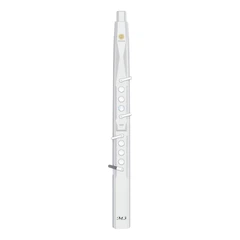

《Evaluating the Practice Effect of Digital Saxophone》
Introduction:
Evaluating the practice effect of digital saxophone is crucial for musicians to monitor their progress, identify areas for improvement, and adjust their practice methods accordingly. In this article, we will explore various ways to evaluate the practice effect of digital saxophone and provide practical tips for musicians to enhance their playing skills.
I. Self-Assessment
A. Recording Yourself
One of the most effective ways to evaluate your practice effect is to record yourself playing the digital saxophone. By listening to the recording, you can objectively analyze your performance and identify areas that need improvement. Pay attention to aspects such as tone quality, intonation, rhythm, dynamics, and expression.
B. Analyzing Your Playing
After recording yourself, take the time to analyze your playing. Listen to the recording multiple times and make notes on areas where you think you did well and areas that need improvement. Consider asking a friend or teacher to listen to the recording and provide feedback as well.
C. Comparing Your Recordings
As you continue to practice, record yourself regularly and compare your recordings over time. This will allow you to see how much you have improved and identify areas where you still need to work on. You can also compare your recordings to professional recordings of the same piece to get a better sense of what you need to strive for.
II. Technical Evaluation
A. Tone Quality
Tone quality is an important aspect of digital saxophone playing. Evaluate your tone by listening for clarity, warmth, and richness. Are your notes full and resonant? Do you have a consistent tone throughout different registers? Practice exercises that focus on tone production, such as long tones and lip slurs, to improve your tone quality.
B. Intonation
Intonation refers to the accuracy of pitch. Use a tuner or pitch detection software to check your intonation while playing. Are your notes in tune? Do you have any tendencies to play sharp or flat? Practice playing with a tuner or in an ensemble setting to improve your intonation.
C. Rhythm and Timing
Rhythm and timing are essential for a cohesive musical performance. Use a metronome or rhythm app to practice keeping a steady tempo and playing in time. Are you able to play complex rhythms accurately? Do you have good sense of rhythm and groove? Practice rhythm exercises and play along with recordings to improve your rhythm and timing.
D. Dynamics and Expression
Dynamics refer to the volume and intensity of your playing, while expression refers to the emotional quality of your performance. Evaluate your dynamics and expression by listening for changes in volume, tone color, and phrasing. Are you able to play softly and loudly with control? Do you add expression and nuance to your playing? Practice playing with different dynamics and expression to enhance your musicality.
III. Musical Evaluation
A. Musicality and Interpretation
Musicality and interpretation are subjective aspects of playing, but they are crucial for creating a meaningful musical experience. Evaluate your musicality by listening for creativity, phrasing, and emotional connection. Do you play with feeling and expressiveness? Do you make musical choices that enhance the piece? Practice listening to different interpretations of the same piece and analyze what makes them effective.
B. Repertoire and Performance
Evaluating your practice effect also involves assessing your ability to perform different repertoire. Have you been able to learn and master new pieces? Are you able to perform them with confidence and musicality? Consider performing for others or recording yourself in a performance setting to evaluate your stage presence and ability to communicate through music.
C. Improvisation and Creativity
If you are interested in improvisation and creativity, evaluate your practice effect by exploring different improvisational techniques and styles. Are you able to create spontaneous melodies and phrases? Do you have a good sense of harmony and rhythm when improvising? Practice improvising regularly and listen to recordings of great improvisers to inspire and improve your skills.
IV. Feedback from Others
A. Teachers and Mentors
Seek feedback from a qualified teacher or mentor. They can provide objective evaluations of your playing and offer specific suggestions for improvement. A teacher can also help you set goals and develop a practice plan that is tailored to your needs.
B. Peers and Fellow Musicians
Playing with peers and fellow musicians can also be a valuable source of feedback. Join a music group or ensemble and listen to others play. Ask for feedback on your playing and offer feedback to others as well. This can help you gain new perspectives and improve your skills through collaboration.
C. Audience Feedback
If you have the opportunity to perform in public, listen to the feedback from your audience. This can be in the form of applause, comments, or reviews. Audience feedback can give you an idea of how your performance is received and help you identify areas that need improvement.
V. Quantitative Evaluation
A. Practice Logs and Metrics
Keep a practice log to record your practice sessions and track your progress. Note the duration of your practice, the exercises and pieces you worked on, and any challenges or breakthroughs you experienced. You can also set specific goals and metrics, such as learning a certain number of pieces or improving your tempo by a certain percentage.
B. Tests and Assessments
Some music educators and institutions use tests and assessments to evaluate students' progress. These can include written exams on music theory, sight-reading tests, or performance evaluations. Consider taking part in these types of assessments to measure your knowledge and skills objectively.
C. Competitions and Auditions
Participating in competitions and auditions can be a challenging but rewarding way to evaluate your practice effect. These events provide an opportunity to showcase your skills and receive feedback from judges and experts. Even if you don't win or get selected, the experience can help you identify areas for improvement and motivate you to keep practicing.
Conclusion:
Evaluating the practice effect of digital saxophone is an ongoing process that requires self-awareness, objective analysis, and feedback from others. By using a combination of self-assessment, technical evaluation, musical evaluation, feedback from others, and quantitative evaluation, musicians can gain a comprehensive understanding of their progress and identify areas for improvement. With consistent practice and evaluation, musicians can continuously enhance their playing skills and achieve their musical goals.
SUNRISE MELODY M1 Electronic Wind Instrument
. Revisit the passion and dreams of youth
. M1 electric clarinet wind instrument -- The good news for beginners
. Rich and diverse timbres
. Powerful functions and easy operation
. Perfect after-sales service
