

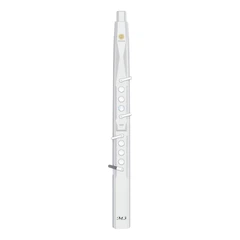

Advantages of Digital Saxophone over Other Musical Instruments
The digital saxophone is a revolutionary musical instrument that combines advanced technology with the classic charm of the saxophone. In comparison to other traditional musical instruments, it offers a wide range of unique advantages that make it an attractive choice for musicians of all levels.
I. Portability
One of the most significant advantages of the digital saxophone is its portability. Traditional saxophones are often bulky and heavy, making them difficult to transport. Musicians need to carry a large case and may struggle with lugging the instrument around, especially when traveling to different gigs or rehearsals. In contrast, the digital saxophone is typically much lighter and more compact. It can easily fit into a small bag or backpack, allowing musicians to take it anywhere with ease. This portability gives musicians the freedom to practice and perform in various locations without the hassle of dealing with a cumbersome instrument.
For example, a musician on a tour can simply pack their digital saxophone and take it on the plane or train without having to worry about excessive baggage fees or the risk of damage during transit. Students can also carry their digital saxophone to school or music lessons without straining their backs. This portability makes the digital saxophone an ideal choice for those who are always on the go and want to be able to play their instrument wherever they are.
II. Versatility
The digital saxophone offers an extraordinary level of versatility that is hard to match by other instruments. With traditional saxophones, you are limited to a specific range of sounds and tones. However, the digital saxophone can mimic a wide variety of instruments, from flutes and clarinets to trumpets and violins. This allows musicians to explore different musical styles and genres without having to invest in multiple instruments.
Moreover, the digital saxophone often comes with built-in effects and presets that can be easily adjusted to create unique sounds. Musicians can add reverb, delay, distortion, and other effects to enhance their performance and create a more immersive musical experience. This versatility enables musicians to be creative and experiment with different sounds, making each performance truly unique.
For instance, a jazz musician can use the digital saxophone to mimic the sound of a trumpet during a solo, adding an unexpected element to the performance. A classical musician can use the built-in effects to create a more atmospheric sound, enhancing the emotional impact of a piece. The digital saxophone's versatility makes it a valuable tool for musicians who want to expand their musical horizons and explore new creative possibilities.
III. Cost-Effectiveness
Compared to traditional saxophones, the digital saxophone can be a more cost-effective option. High-quality traditional saxophones can be extremely expensive, especially those made by renowned manufacturers. In addition to the initial cost of the instrument, musicians also need to consider the expense of maintenance, repairs, and accessories. On the other hand, digital saxophones are generally more affordable, and many models offer excellent value for money.
Moreover, the digital saxophone does not require regular maintenance like traditional instruments. There is no need to worry about tuning, reed replacement, or valve oiling. This saves musicians time and money in the long run. Additionally, digital saxophones often come with a variety of built-in features and functions that would otherwise require expensive accessories for traditional instruments. For example, some digital saxophones have built-in metronomes, tuners, and recording capabilities, eliminating the need to purchase these separate devices.
For beginners or those on a tight budget, the digital saxophone can be a great way to start playing without breaking the bank. It allows musicians to explore their passion for music without having to make a huge financial investment. As their skills develop, they can still use the digital saxophone as a valuable tool for practice and experimentation, or they can choose to upgrade to a traditional saxophone if they so desire.
IV. Ease of Use
The digital saxophone is designed to be user-friendly, making it accessible to musicians of all skill levels. Traditional saxophones require a certain level of technical proficiency to play properly. Musicians need to learn how to hold the instrument, control the breath, and manipulate the keys and valves. This can be a challenging process for beginners, and it may take months or even years to master.
In contrast, the digital saxophone is often easier to play. Many models have features such as touch-sensitive keys and intuitive controls that make it simple to produce a wide range of sounds. Some digital saxophones also come with built-in tutorials and learning tools, helping beginners get started quickly. Additionally, the digital saxophone can be connected to a computer or mobile device, allowing musicians to access a wealth of educational resources and software.
For example, a beginner can use an app on their phone or tablet to learn the basics of playing the digital saxophone. The app can provide step-by-step instructions, video tutorials, and interactive exercises to help them improve their skills. This ease of use makes the digital saxophone an ideal choice for those who are new to music or who want to learn a new instrument without the frustration of a steep learning curve.
V. Durability
Digital saxophones are generally more durable than traditional instruments. Traditional saxophones are made of metal and other materials that can be easily damaged by impacts, moisture, and temperature changes. They require careful handling and storage to ensure their longevity. In contrast, digital saxophones are often constructed with durable materials and are designed to withstand the rigors of regular use.
Moreover, digital saxophones are less susceptible to wear and tear. There are no moving parts like keys and valves that can wear out over time. This means that musicians can expect their digital saxophone to last for many years without the need for frequent repairs or replacements.
For musicians who are rough on their instruments or who frequently perform in harsh environments, the digital saxophone's durability can be a major advantage. It gives them peace of mind knowing that their instrument can withstand the demands of their playing style and lifestyle.
VI. Customization
The digital saxophone offers a high degree of customization that is not possible with traditional instruments. Musicians can customize the sound, tone, and appearance of their digital saxophone to suit their individual preferences. For example, they can change the color of the instrument's LED lights, adjust the volume and tone settings, and even create their own custom presets.
This customization allows musicians to express their creativity and individuality through their instrument. It also enables them to adapt the digital saxophone to different performance settings and musical styles. Whether playing in a small jazz club or a large concert hall, musicians can customize their digital saxophone to achieve the perfect sound.
In addition, some digital saxophones can be updated with new software and features over time. This means that musicians can continuously improve and enhance their instrument without having to purchase a new one. This level of customization makes the digital saxophone a truly unique and personalized musical instrument.
VII. Recording and Sharing
Digital saxophones often come with built-in recording capabilities, allowing musicians to capture their performances and share them with others. This is a great feature for musicians who want to document their progress, create demos, or share their music on social media. With traditional instruments, recording can be a complex and expensive process that requires additional equipment and expertise.
The built-in recording function of the digital saxophone makes it easy for musicians to record their performances with high quality. They can then edit and share their recordings using a computer or mobile device. This allows them to reach a wider audience and connect with other musicians from around the world.
For example, a musician can record a solo performance on their digital saxophone and share it on YouTube or SoundCloud. They can receive feedback from other musicians and fans, which can help them improve their skills and gain exposure. The recording and sharing capabilities of the digital saxophone make it a powerful tool for musicians who want to showcase their talent and connect with the music community.
VIII. Environmental Impact
Finally, the digital saxophone has a lower environmental impact than traditional instruments. Traditional saxophones are made of materials that require significant resources to produce and may contribute to environmental degradation. In addition, the manufacturing process of traditional instruments often involves the use of chemicals and pollutants.
On the other hand, digital saxophones are made of more sustainable materials and consume less energy during production. They also do not require the use of consumables like reeds and valve oil, reducing waste. Moreover, the digital saxophone's portability and ease of use can reduce the need for transportation, further reducing its carbon footprint.
For musicians who are concerned about the environment, the digital saxophone can be a more sustainable choice. It allows them to pursue their passion for music while minimizing their impact on the planet.
In conclusion, the digital saxophone offers a wide range of advantages over other musical instruments. Its portability, versatility, cost-effectiveness, ease of use, durability, customization, recording and sharing capabilities, and environmental friendliness make it an attractive option for musicians of all levels. Whether you are a beginner looking to start playing an instrument or a professional musician seeking a new creative tool, the digital saxophone is definitely worth considering.
SUNRISE MELODY M1 Electronic Wind Instrument
. Revisit the passion and dreams of youth
. M1 electric clarinet wind instrument -- The good news for beginners
. Rich and diverse timbres
. Powerful functions and easy operation
. Perfect after-sales service
