


Introduction:
Electric saxophones have revolutionized the world of saxophone playing by incorporating a wide range of electronic effects. These effects not only enhance the sound of the instrument but also open up new creative possibilities for musicians. In this article, we will explore the various electronic effects typically found on electric saxophones and discuss how they can be used to create unique and captivating musical experiences.
I. Types of Electronic Effects on Electric Saxophones
A. Distortion
Definition and Characteristics
Distortion is an effect that alters the waveform of the saxophone's sound, adding harmonic overtones and increasing the gain. This results in a more aggressive and edgy tone, similar to that of an electric guitar.
Usage and Creative Applications
Distortion can be used to add intensity and power to solos or to create a raw and energetic sound in rock or metal music. It can also be combined with other effects to create unique textures and atmospheres.
B. Delay
Definition and Characteristics
Delay is an effect that repeats the sound of the saxophone after a certain time interval. The delay time can be adjusted to create echoes of different lengths, from short slapbacks to long, spacious reverberations.
Usage and Creative Applications
Delay can be used to add depth and dimension to the sound, creating a sense of space and ambience. It can be used to build up complex textures by layering multiple delayed sounds or to create rhythmic patterns by synchronizing the delay time with the tempo of the music.
C. Reverb
Definition and Characteristics
Reverb is an effect that simulates the sound of a space, adding reflections and echoes to the saxophone's sound. The reverb time and decay can be adjusted to create different sizes and types of spaces, from small rooms to large concert halls.
Usage and Creative Applications
Reverb can be used to add a sense of spaciousness and warmth to the sound, making it feel more immersive and atmospheric. It can be used to create a sense of distance or to blend the saxophone's sound with other instruments in a mix.
D. Chorus
Definition and Characteristics
Chorus is an effect that creates a thickening and widening of the saxophone's sound by adding multiple copies of the signal with slight variations in pitch and timing. This results in a lush and shimmering sound.
Usage and Creative Applications
Chorus can be used to add richness and fullness to the sound, making it more prominent in a mix. It can also be used to create a dreamy and ethereal atmosphere or to add movement and texture to a static sound.
E. Flanger
Definition and Characteristics
Flanger is an effect that creates a sweeping and whooshing sound by modulating the phase of the saxophone's signal. The flanger depth and rate can be adjusted to create different intensities and speeds of the effect.
Usage and Creative Applications
Flanger can be used to add a unique and distinctive sound to solos or to create a psychedelic and trippy atmosphere. It can also be combined with other effects to create complex and evolving textures.
F. Pitch Shifter
Definition and Characteristics
Pitch shifter is an effect that changes the pitch of the saxophone's sound up or down by a certain number of semitones. The pitch shift amount can be adjusted to create harmonies or to create unusual and otherworldly sounds.
Usage and Creative Applications
Pitch shifter can be used to create harmonies with the original sound or to create new melodies by shifting the pitch in real time. It can also be used to create special effects such as glissandos or to mimic the sound of other instruments.
II. How to Use Electronic Effects on Electric Saxophones
A. Selecting the Right Effect
The first step in using electronic effects on electric saxophones is to select the right effect for the desired musical outcome. Consider the style of music, the mood you want to create, and the overall sound you are aiming for. Experiment with different effects to find the ones that work best for your playing style and musical vision.
B. Adjusting the Parameters
Once you have selected an effect, it is important to adjust the parameters to achieve the desired sound. This may involve adjusting the gain, delay time, reverb decay, chorus depth, flanger rate, or pitch shift amount. Experiment with different settings to find the ones that work best for your particular instrument and playing style.
C. Combining Effects
Many electric saxophone players use multiple effects simultaneously to create complex and unique sounds. When combining effects, it is important to consider the order in which they are applied and how they interact with each other. Experiment with different combinations to find the ones that create the most interesting and engaging sounds.
D. Using Effects in Performance
When using electronic effects in performance, it is important to be aware of the impact they can have on the overall sound and dynamics of the music. Use effects sparingly and tastefully, and be prepared to adjust them on the fly depending on the musical context. Consider using a foot controller or other external device to easily access and control the effects during a performance.
III. Benefits and Limitations of Electronic Effects on Electric Saxophones
A. Benefits
Enhanced Creativity
Electronic effects on electric saxophones open up a world of creative possibilities, allowing musicians to explore new sounds and textures that are not possible with traditional saxophones.
Versatility
With the ability to switch between different effects and adjust their parameters, electric saxophones can be used in a wide variety of musical styles and settings.
Improved Sound Quality
Some electronic effects can enhance the sound quality of the saxophone by adding warmth, depth, and clarity.
B. Limitations
Learning Curve
Using electronic effects on electric saxophones requires some knowledge of electronics and sound processing. There may be a learning curve involved in understanding how to use the effects and adjusting their parameters.
Reliability
Electronic effects can sometimes be unreliable, especially if they are not properly maintained or if there are issues with the power supply or connections.
Impact on Natural Sound
Some musicians may feel that electronic effects can detract from the natural sound of the saxophone and make it sound less authentic.
IV. Maintenance and Care of Electronic Effects on Electric Saxophones
A. Regular Cleaning
Keep the electronic components of your electric saxophone clean by using a soft cloth and mild cleaning solution. Avoid using harsh chemicals or abrasive materials that could damage the components.
B. Proper Storage
When not in use, store your electric saxophone in a dry and cool place, away from direct sunlight and extreme temperatures. This will help prevent damage to the electronic components.
C. Battery Maintenance
If your electric saxophone uses batteries, make sure to keep them charged and replace them when necessary. Avoid leaving batteries in the instrument for extended periods when not in use, as this can cause damage.
D. Professional Maintenance
If you experience any issues with the electronic effects on your electric saxophone, it is best to seek professional help. A qualified technician can diagnose and repair any problems, ensuring that your instrument is in top working condition.
Conclusion:
Electronic effects on electric saxophones offer a wealth of creative possibilities for musicians. By understanding the different types of effects available, how to use them effectively, and their benefits and limitations, you can enhance your playing and create unique and captivating musical experiences. With proper maintenance and care, your electric saxophone and its electronic effects can provide years of enjoyment and musical expression.
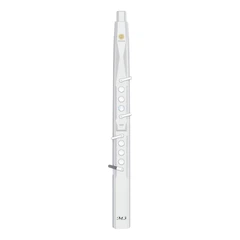
SUNRISE MELODY M1 Electronic Wind Instrument
. Revisit the passion and dreams of youth
. M1 electric clarinet wind instrument -- The good news for beginners
. Rich and diverse timbres
. Powerful functions and easy operation
. Perfect after-sales service
