
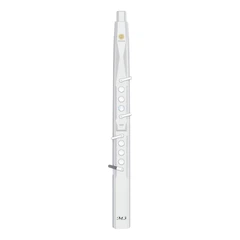


The holding posture for playing digital saxophones is crucial for achieving a comfortable and effective playing experience. A proper hold not only allows for better control and technique but also helps prevent strain and injury. In this essay, we will provide a detailed introduction to the holding posture for playing digital saxophones.
I. Importance of Correct Holding Posture
A proper holding posture is essential for several reasons. Firstly, it enables the player to have better control over the instrument, allowing for more accurate finger placement and tone production. Secondly, it helps to distribute the weight of the instrument evenly, reducing strain on the body and preventing fatigue during long practice sessions or performances. Additionally, a correct posture promotes good breathing technique, which is essential for producing a rich and full sound.
II. Basic Components of the Holding Posture
The holding posture for digital saxophones consists of several key elements:
A. Hand Position
Left Hand
The left hand is responsible for supporting the weight of the instrument and pressing the keys. The thumb should be placed on the back of the neck of the saxophone, providing stability. The fingers should curve naturally and rest lightly on the keys, ready to press down when needed.
Right Hand
The right hand is primarily used for pressing the keys on the upper part of the instrument. The thumb should be placed under the instrument for support, while the fingers should be positioned in a way that allows for easy access to the keys.
B. Arm Position
Left Arm
The left arm should be relaxed and slightly bent, with the elbow positioned at a comfortable angle. The arm should support the weight of the instrument without excessive tension.
Right Arm
The right arm should also be relaxed and slightly bent. The elbow should be positioned in a way that allows for smooth movement of the hand while playing.
C. Body Posture
Standing Position
When playing while standing, the player should stand with feet shoulder-width apart for stability. The body should be upright but not rigid, with a slight forward tilt to bring the instrument closer to the body.
Sitting Position
When playing while sitting, the player should sit on a chair with a straight back. The feet should be flat on the ground, and the instrument should be supported on the thigh or a stand. The body posture should be similar to that in the standing position.
III. Adjusting the Holding Posture for Different Players
Each player is unique, and the holding posture may need to be adjusted slightly to suit individual body types and playing styles. Here are some factors to consider when adjusting the holding posture:
A. Body Size and Proportions
Players with smaller or larger body sizes may need to adjust the position of the instrument and the hand placement to ensure a comfortable and effective hold. For example, a shorter player may need to hold the instrument slightly higher to reach the keys comfortably.
B. Playing Style and Technique
Different playing styles and techniques may require slight adjustments to the holding posture. For instance, players who focus on fast passages and technical playing may need a more stable hold to ensure accuracy and speed.
C. Comfort and Ergonomics
The most important factor in adjusting the holding posture is comfort. The player should feel at ease while playing, without experiencing any pain or discomfort. If a particular posture causes strain or discomfort, it should be adjusted until a comfortable position is found.
IV. Common Mistakes in Holding Posture and How to Correct Them
A. Tension and Rigidity
One common mistake is holding the instrument with excessive tension in the hands, arms, or body. This can lead to fatigue, muscle strain, and reduced control over the instrument. To correct this, the player should focus on relaxing the muscles and maintaining a natural, fluid posture.
B. Improper Hand Placement
Another mistake is incorrect hand placement on the keys. This can result in inaccurate finger placement and difficulty in playing certain passages. To correct this, the player should practice proper finger placement and ensure that the hands are positioned in a way that allows for easy access to all the keys.
C. Poor Body Alignment
Poor body alignment can also affect the playing posture. For example, slouching or leaning too far forward can cause back pain and reduce breathing capacity. To correct this, the player should maintain an upright posture with the shoulders back and the head held high.
V. Maintaining a Correct Holding Posture through Practice
A. Regular Practice Sessions
To develop and maintain a correct holding posture, regular practice sessions are essential. The player should focus on maintaining the proper posture throughout each practice session, gradually building muscle memory and habit.
B. Conscious Awareness
During practice, the player should be consciously aware of their holding posture and make adjustments as needed. This can be done by periodically checking the position of the hands, arms, and body and making small corrections if necessary.
C. Seek Feedback
Seeking feedback from a teacher, mentor, or fellow musician can also be helpful in ensuring a correct holding posture. They can provide objective observations and suggestions for improvement.
VI. Conclusion
In conclusion, a correct holding posture is essential for playing digital saxophones effectively and comfortably. By understanding the basic components of the holding posture, adjusting it to suit individual needs, avoiding common mistakes, and maintaining it through regular practice, players can enhance their playing experience and achieve better results. Remember, a proper hold not only improves technique but also helps prevent injury and ensure long-term enjoyment of playing the instrument.
SUNRISE MELODY M1 Electronic Wind Instrument
. Revisit the passion and dreams of youth
. M1 electric clarinet wind instrument -- The good news for beginners
. Rich and diverse timbres
. Powerful functions and easy operation
. Perfect after-sales service


