
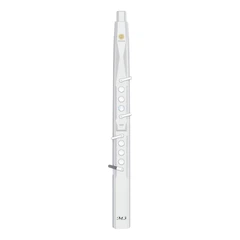


The digital saxophone is a revolutionary musical instrument that combines traditional saxophone playing with advanced digital technology. It offers a wide range of features and capabilities that can enhance the musical experience and open up new creative possibilities for musicians. In this article, we will explore the techniques and methods for playing digital saxophones.
I. Introduction
The digital saxophone is a relatively new instrument that has gained popularity in recent years. It combines the familiar feel and sound of a traditional saxophone with the power and versatility of digital technology. Digital saxophones offer a wide range of features such as multiple tones, effects, and connectivity options that can be used to create unique and engaging musical performances.
II. Understanding the Digital Saxophone
A. Components and Features
Body and Keys
The body of a digital saxophone is similar to that of a traditional saxophone, with keys and a mouthpiece for playing. However, digital saxophones often have additional buttons and controls for adjusting settings and accessing different features.
Sound Generation
Digital saxophones use digital sound synthesis technology to generate a wide range of tones and sounds. This allows musicians to access a vast library of preset tones or create their own custom sounds.
Effects and Processing
Many digital saxophones come equipped with built-in effects and processing capabilities, such as reverb, delay, and distortion. These effects can be used to enhance the sound and add depth and dimension to the music.
Connectivity
Digital saxophones often have connectivity options such as USB or MIDI, allowing them to be connected to computers, tablets, or other digital devices. This enables musicians to use software applications for recording, editing, and sharing their music.
B. Advantages over Traditional Saxophones
Portability
Digital saxophones are often lighter and more compact than traditional saxophones, making them easier to transport and play on the go.
Versatility
With their wide range of tones and effects, digital saxophones offer greater versatility than traditional saxophones. Musicians can easily switch between different tones and styles, making it possible to play a variety of musical genres.
Ease of Use
Digital saxophones are often easier to play than traditional saxophones, especially for beginners. They may have features such as auto-tune or simplified fingering systems that can make it easier to produce a good sound.
Cost
Digital saxophones can be more affordable than traditional saxophones, especially for those on a budget. They may also require less maintenance and upkeep, saving money in the long run.
III. Playing Techniques for Digital Saxophones
A. Embouchure and Breath Control
Mouthpiece and Reed Selection
The mouthpiece and reed are important components of a digital saxophone, as they affect the tone and playability of the instrument. Musicians should choose a mouthpiece and reed that are comfortable to play and produce the desired tone.
Embouchure Formation
The embouchure is the way in which the lips and mouth are formed around the mouthpiece. For digital saxophones, a similar embouchure to traditional saxophones can be used, with the lips relaxed and the corners of the mouth firm.
Breath Control
Breath control is essential for playing any wind instrument, including digital saxophones. Musicians should practice breathing exercises to develop good breath control and support for the sound.
B. Fingerings and Technique
Basic Fingerings
The fingerings for digital saxophones are similar to those for traditional saxophones. Musicians should learn the basic fingerings for each note and practice playing scales and arpeggios to develop finger dexterity.
Advanced Techniques
Once the basic fingerings are mastered, musicians can explore advanced techniques such as vibrato, glissando, and altissimo playing. These techniques can add expression and variety to the music.
Technique Practice
Regular practice of technique is essential for improving playing skills on digital saxophones. Musicians should practice scales, arpeggios, and technical exercises to develop finger dexterity, breath control, and tone production.
C. Tone and Expression
Tone Production
The tone of a digital saxophone can be adjusted using a variety of settings and controls. Musicians should experiment with different tone settings to find the sound that best suits their musical style and expression.
Expression and Dynamics
Expression and dynamics are important aspects of music, and digital saxophones offer a wide range of tools for adding expression and dynamics to the music. Musicians can use techniques such as vibrato, crescendo, and decrescendo to add expression and emotion to their playing.
Musical Interpretation
Finally, musicians should approach playing digital saxophones with a sense of musical interpretation. This means understanding the music and using the instrument to express the emotions and intentions of the composer.
IV. Using Digital Saxophones in Different Musical Genres
A. Jazz and Blues
Tone and Style
Digital saxophones can be used to play jazz and blues music, with a wide range of tones and effects available to create the classic sounds of these genres. Musicians should experiment with different tones and styles to find the sound that best suits their playing.
Improvisation
Improvisation is an important part of jazz and blues music, and digital saxophones offer a wide range of tools for improvisation. Musicians can use effects and processing to add texture and interest to their improvisations.
Playing with a Band
Playing digital saxophones in a band setting requires good communication and collaboration. Musicians should listen to the other members of the band and work together to create a cohesive musical performance.
B. Classical Music
Tone and Technique
Digital saxophones can be used to play classical music, although the tone and technique may be different from traditional saxophones. Musicians should practice playing classical pieces to develop the necessary technique and expression.
Orchestral Playing
Playing digital saxophones in an orchestra requires good intonation and ensemble skills. Musicians should listen to the other members of the orchestra and work together to create a balanced and harmonious sound.
Solo Playing
Solo playing on digital saxophones can be a rewarding experience, allowing musicians to showcase their technical skills and musical expression. Musicians should choose pieces that suit their playing style and abilities and practice performing them with confidence.
C. Pop and Rock Music
Tone and Effects
Digital saxophones can be used to play pop and rock music, with a wide range of tones and effects available to create the signature sounds of these genres. Musicians should experiment with different tones and effects to find the sound that best suits their playing.
Playing with a Band
Playing digital saxophones in a pop or rock band requires good energy and stage presence. Musicians should work with the other members of the band to create a dynamic and engaging performance.
Recording and Production
Digital saxophones can be easily recorded and processed using digital audio workstations. Musicians should experiment with different recording and production techniques to create professional-sounding recordings.
V. Maintenance and Care of Digital Saxophones
A. Cleaning and Storage
Regular Cleaning
Digital saxophones should be cleaned regularly to keep them in good condition. Musicians should use a soft cloth and mild cleaning solution to clean the body and keys of the instrument.
Storage
When not in use, digital saxophones should be stored in a safe and dry place. Musicians should avoid storing the instrument in extreme temperatures or humidity, as this can damage the instrument.
B. Battery Life and Charging
Battery Life
Digital saxophones run on batteries, so it is important to monitor the battery life and charge the instrument as needed. Musicians should keep spare batteries on hand in case the battery runs out during a performance.
Charging
Digital saxophones can be charged using a USB cable or a dedicated charger. Musicians should follow the manufacturer's instructions for charging the instrument to ensure proper charging and battery life.
C. Repairs and Maintenance
Regular Maintenance
Digital saxophones may require regular maintenance, such as adjusting the keys or replacing the mouthpiece. Musicians should have their instrument serviced by a professional technician if they notice any problems or issues.
Repairs
In the event of a major problem or damage, digital saxophones may need to be repaired by a professional technician. Musicians should contact the manufacturer or a qualified repair technician for assistance.
VI. Conclusion
The digital saxophone is a powerful and versatile musical instrument that offers a wide range of features and capabilities. By understanding the techniques and methods for playing digital saxophones, musicians can unlock the full potential of this instrument and create unique and engaging musical performances. Whether playing jazz, classical, pop, or rock music, the digital saxophone can add a new dimension to the music and inspire creativity and expression. With proper maintenance and care, digital saxophones can provide years of enjoyment and musical exploration.
SUNRISE MELODY M1 Electronic Wind Instrument
. Revisit the passion and dreams of youth
. M1 electric clarinet wind instrument -- The good news for beginners
. Rich and diverse timbres
. Powerful functions and easy operation
. Perfect after-sales service


