
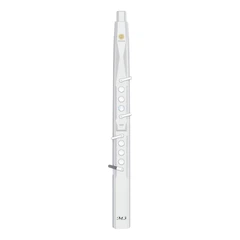


The Distinction Between Wireless and Wired Connections for Electric Wind Instruments
Electric wind instruments (EWIs) have revolutionized the way musicians create and perform music. One of the key features that set EWIs apart is their ability to support MIDI functions, which can be connected either wirelessly or through a wired connection. Let's explore the differences between these two connection types and how they impact the performance and versatility of EWIs.
Wireless Connection
Wireless connectivity in EWIs offers a number of advantages that enhance the musician's performance experience:
1. Freedom of Movement: Wireless EWIs like the Akai Professional EWI5000allow musicians to move freely on stage or in the studio without being tethered to a specific location by a physical cable. This freedom is particularly valuable during live performances where stage presence and movement are integral to the show.
2. Setup Convenience: Wireless connections eliminate the need for running cables across stages or studios, reducing the risk of tripping hazards and simplifying setup and teardown processes.
3. Flexibility: Musicians can easily switch between different performance areas without worrying about disconnecting and reconnecting cables, which is ideal for events with multiple setups or locations.
4. Low Latency: Modern EWIs, such as the EWI5000, use 2.4GHz wireless technology that offers low-latency performance, ensuring that the music is transmitted with minimal delay.
However, wireless connections also have some potential drawbacks:
Signal Interference: Wireless signals can be affected by interference from other electronic devices or physical obstacles, which could potentially affect the quality of the performance.
Battery Life: Wireless EWIs require power to operate, which means musicians need to manage battery life and may need to carry spare batteries or a charger.
Wired Connection
Wired connections, on the other hand, offer a different set of benefits:
1. Reliability: Wired connections are known for their reliability and consistency. They are less susceptible to interference than wireless connections, ensuring a stable performance.
2. No Battery Concerns: With a wired connection, there are no worries about battery life. Musicians can focus on their performance without the concern of running out of power.
3. Direct Integration: Wired connections can provide a more direct integration with other audio equipment, which might be preferred in studio settings or situations where the EWI is part of a larger, fixed installation.
However, wired connections come with their own set of limitations:
Limited Mobility: Musicians are restricted in their movement by the length of the cable, which can be a hindrance during live performances that require stage movement.
Setup Complexity: Cables need to be managed to avoid tripping hazards and to keep the stage or performance area tidy, which can add to the setup and teardown time.
Conclusion
Both wireless and wired connections for EWIs have their unique advantages and disadvantages. The choice between the two often comes down to the specific needs and preferences of the musician. Wireless connections provide unparalleled freedom and flexibility, making them ideal for live performances, while wired connections offer reliability and direct integration, which might be preferred in studio settings or fixed installations. Ultimately, the decision should be based on the musician's performance style, the nature of the performance venue, and personal comfort with the technology.
Electric wind instruments are always improving, I wish you a happy playing.
Brand Name: SUNRISE MELODY
Model: XR3000
Timbre: 60 types
Five octaves metal roller
Bluetooth connection
4 fingering modes available to select


