

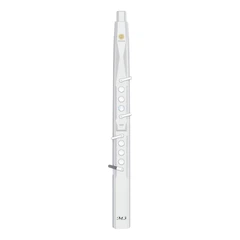

Electric Wind Instruments: Warranty Periods and After-Sales Service
When investing in an electric wind instrument (EWI), it's essential to understand the warranty period and how to access after-sales service if you encounter any issues. Let's delve into the typical warranty periods for EWIs and the steps you can take to get support when needed.
Understanding Warranty Periods
The warranty period for electric wind instruments can vary depending on the brand and the specific model. Generally, manufacturers offer warranties that range from one to two years. This period covers defects in materials and workmanship under normal use. For instance, Akai Professional, a leading brand in EWIs, provides a warranty for their instruments, though the exact duration is not specified in the available information . It's crucial to check the warranty card or the manufacturer's website for the precise warranty period of your instrument.
What to Do If You Face Issues
If you encounter a problem with your EWI, the first step is to identify whether the issue is covered under the warranty. Common issues might include technical problems with the instrument's electronic components, mouthpiece sensitivity, or speaker quality.
Contacting After-Sales Service
1. Manufacturer's Website: Most manufacturers have a dedicated support or service section on their website. You can find contact information, including email addresses and phone numbers, in this section. For example, Akai Professional's website would be the first place to look for contact information .
2. Authorized Service Centers: Some manufacturers operate through a network of authorized service centers. These centers can provide professional repairs and maintenance services. You can usually find a list of these centers on the manufacturer's website.
3. Retailer Support: If you purchased the instrument from a music store or an online retailer, they may offer support or can guide you to the appropriate service channel.
4. Online Communities: Joining online forums or communities of EWI users can be beneficial. Members often share their experiences and solutions to common problems. While not an official support channel, it can be a valuable resource .
Steps to Take
1. Document the Issue: Before contacting support, document the issue with your instrument. Take photos or videos if possible, and note down when the problem occurs.
2. Check the Manual: Consult the user manual for troubleshooting tips. Sometimes, issues can be resolved with simple adjustments or settings changes.
3. Contact Support: Reach out to the manufacturer or an authorized service center with the details of the issue. Provide them with the necessary information, including the purchase date and any documentation of the problem.
4. Service Process: Follow the service process outlined by the support team. This may involve sending the instrument in for repair, having a technician visit you, or receiving guidance on how to resolve the issue yourself.
5. Keep Records: Maintain records of all communications and services performed. This is helpful for future reference and can be necessary if you need to escalate the issue.
Conclusion
Knowing your warranty rights and having access to reliable after-sales service is crucial for getting the most out of your electric wind instrument. By understanding the warranty period and knowing how to contact support, you can ensure that your investment is protected and that any issues are resolved promptly and effectively. Remember, the key to a positive experience is proactive communication and following the recommended service procedures.
Brand Name: SUNRISE MELODY
Model: XR3000
Timbre: 60 types
Five octaves metal roller
Bluetooth connection
4 fingering modes available to select
