
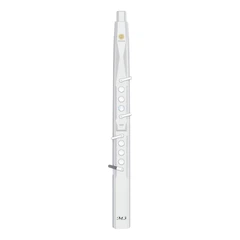


《The Main Role of Electric Saxophones as an Important Tool for Music Producers》
Introduction:
In the world of music production, electric saxophones have emerged as a significant tool. Their unique characteristics and capabilities offer music producers a wide range of creative possibilities. This article will explore the main role of electric saxophones in music production.
I. Versatility in Sound
A. Wide Range of Tones
One of the primary roles of electric saxophones is to provide a diverse range of tones. Unlike traditional saxophones, electric saxophones can produce a variety of sounds, from smooth and mellow to harsh and edgy. This versatility allows music producers to create a broad spectrum of musical styles, from jazz and blues to rock and electronic music.
B. Simulation of Different Instruments
Electric saxophones can often simulate the sounds of other instruments. For example, they can mimic the sound of a flute, clarinet, or even a violin. This ability gives music producers the flexibility to add different textures and colors to their compositions without having to rely on multiple instruments.
C. Customization of Sound
Music producers can customize the sound of electric saxophones to suit their specific needs. They can adjust parameters such as tone, volume, and effects to create a unique sound that fits the mood and style of the music. This level of customization allows for endless creative possibilities and helps to make each composition stand out.
II. Enhancement of Atmosphere and Mood
A. Creating Ambience
Electric saxophones can be used to create a rich and immersive atmosphere in a musical composition. Whether it's a slow, melancholic ballad or an upbeat dance track, the right saxophone sound can add depth and emotion to the music. For example, a soft, sustained saxophone note can create a sense of longing or nostalgia, while a fast-paced, energetic saxophone solo can bring excitement and energy to the song.
B. Setting the Mood
The tone and texture of an electric saxophone can help set the mood of a piece of music. A warm and smooth saxophone sound can create a cozy and intimate atmosphere, while a harsh and distorted saxophone can convey a sense of urgency or aggression. By carefully choosing the right saxophone sound, music producers can guide the listener's emotional response and enhance the overall mood of the music.
C. Complementing Other Instruments
Electric saxophones can work in harmony with other instruments to create a more complete and engaging sound. They can add a layer of complexity and texture to a musical arrangement, complementing the sounds of guitars, keyboards, drums, and other instruments. For example, a saxophone solo can add a touch of elegance and sophistication to a rock song, or a saxophone accompaniment can enhance the emotional impact of a ballad.
III. Adding Dynamic and Rhythm
A. Solo Performances
Electric saxophones are capable of delivering powerful solo performances that can add excitement and energy to a musical composition. A skilled saxophone player can use techniques such as vibrato, glissando, and trills to create a dynamic and engaging solo that grabs the listener's attention. These solos can serve as the highlight of a song, adding a touch of virtuosity and showmanship.
B. Rhythmic Contributions
In addition to solo performances, electric saxophones can also contribute to the rhythm of a piece of music. They can be used to play rhythmic patterns and accents, adding a sense of groove and momentum to the music. For example, a saxophone can play a syncopated rhythm that drives the beat of a dance track or add a rhythmic counterpoint to a complex musical arrangement.
C. Interaction with Other Instruments
Electric saxophones can interact with other instruments in a musical ensemble to create a dynamic and cohesive sound. They can respond to the rhythm and melody of other instruments, adding their own unique flavor to the overall sound. This interaction can create a sense of musical dialogue and enhance the overall energy and excitement of the music.
IV. Facilitating Experimentation and Creativity
A. Unconventional Sounds
Electric saxophones offer music producers the opportunity to experiment with unconventional sounds and techniques. They can be processed through effects pedals, samplers, and other digital tools to create unique and unexpected sounds. For example, a saxophone can be distorted, filtered, or reversed to create a completely new sonic texture. This experimentation can lead to the discovery of new musical ideas and styles, pushing the boundaries of traditional music production.
B. Collaboration Opportunities
The unique nature of electric saxophones can also lead to interesting collaboration opportunities. Music producers can work with saxophone players who bring their own creative ideas and styles to the table. These collaborations can result in unique and innovative musical compositions that combine the strengths of different musicians and genres.
C. Inspiring Creativity
The presence of an electric saxophone in a music production setup can inspire creativity and innovation. Its unique sound and capabilities can spark new musical ideas and inspire music producers to think outside the box. Whether it's using the saxophone in a new way or incorporating it into a genre that it's not typically associated with, the electric saxophone can be a catalyst for creative exploration.
V. Practical Considerations for Music Producers
A. Recording and Mixing
When using electric saxophones in music production, it's important to consider the recording and mixing process. The saxophone should be recorded with high-quality microphones and in a suitable acoustic environment to capture its full range and character. During the mixing stage, the saxophone's volume, pan, and effects should be carefully adjusted to fit within the overall mix.
B. Integration with Digital Tools
Electric saxophones can be easily integrated with digital music production tools such as sequencers, DAWs, and virtual instruments. Music producers can use software plugins and effects to further enhance the sound of the saxophone and integrate it seamlessly into their digital workflows.
C. Live Performance Considerations
If the music is intended for live performance, music producers need to consider how the electric saxophone will be incorporated into the stage setup. This may involve using wireless systems, amplification, and effects pedals to ensure that the saxophone sounds great in a live setting. Additionally, the saxophone player may need to be coordinated with the other musicians to ensure a tight and cohesive performance.
Conclusion:
Electric saxophones play a crucial role in music production, offering versatility in sound, enhancing atmosphere and mood, adding dynamic and rhythm, facilitating experimentation and creativity, and presenting practical considerations for music producers. Whether used as a solo instrument or in combination with other instruments, the electric saxophone can add a unique and captivating element to any musical composition. By understanding its main role and leveraging its capabilities, music producers can unlock new creative possibilities and create music that stands out.
SUNRISE MELODY M1 Electronic Wind Instrument
. Revisit the passion and dreams of youth
. M1 electric clarinet wind instrument -- The good news for beginners
. Rich and diverse timbres
. Powerful functions and easy operation
. Perfect after-sales service


