
Electronic wind instruments are a diverse group, and different types may have slightly different requirements and restrictions for the player's hands. Here are some common considerations:
Finger Dexterity and Flexibility:
Adequate finger dexterity is important for accurate and rapid note playing. The player should be able to move their fingers freely and independently to press the various keys or buttons on the instrument.
Flexibility in the fingers allows for better control over the intensity and duration of notes, as well as the ability to perform techniques such as vibrato and trills.
Finger Placement and Posture:
For most electronic wind instruments, proper finger placement on the keys or buttons is crucial for producing the correct notes. The fingers should be positioned in a way that allows for easy access to all the necessary controls.
Maintaining a correct hand posture helps to reduce fatigue and strain during playing. The wrists should be relaxed and not overly bent or extended, and the fingers should be curved slightly rather than straightened out.
Sensitivity and Touch:
Some electronic wind instruments may require a certain level of sensitivity in the fingers to detect and respond to subtle changes in pressure or touch. This is especially true for instruments that use touch-sensitive pads or buttons.
The player needs to develop a good sense of touch to control the volume, tone, and other parameters of the instrument effectively.
Strength and Endurance:
Playing an electronic wind instrument for an extended period can require a certain amount of hand strength and endurance. The muscles in the hands and fingers may need to be conditioned to handle the physical demands of playing.
Strengthening exercises and regular practice can help improve hand strength and endurance over time.
Coordination and Timing:
Coordinating the movements of both hands is essential for playing complex melodies and rhythms. The player needs to be able to synchronize the actions of their fingers on different keys or buttons to produce a seamless musical performance.
Good timing and rhythm sense are also important for playing in sync with other musicians or with a backing track.
Special Considerations for Specific Instruments:
Some electronic wind instruments may have additional requirements or restrictions based on their design or functionality. For example, instruments with a breath sensor may require the player to have good control over their breathing technique.
Instruments with a built-in display or controls on the back of the instrument may require the player to be able to access and operate these features while maintaining a proper playing position.
Personal Adaptation and Customization:
Each player's hands are unique, and it may take some time to adapt to the specific requirements of an electronic wind instrument. Players may need to experiment with different fingerings and hand positions to find what works best for them.
Some instruments may offer customizable settings or accessories that can be adjusted to suit the player's individual needs and preferences.
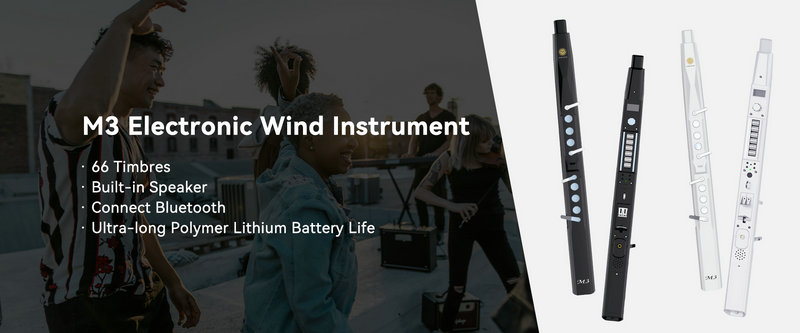
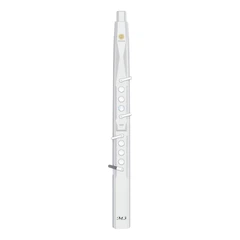
SUNRISE MELODY M3 Electronic Wind Instrument - The best-selling Electronic Wind Instrument
. 66 Timbres
. Built-in Speaker
. Connect Bluetooth
. Ultra-long Polymer Lithium Battery Life