
When choosing a signal receiver for your electronic wind instrument, there are several compatibility issues to consider:
Frequency compatibility: Different electronic wind instruments may operate at different frequencies for signal transmission. The signal receiver you choose must be able to work within the frequency range of your instrument. For example, if your instrument uses a specific radio frequency band for wireless communication, the receiver needs to be tuned to that same frequency band to receive the signals properly.
Protocol compatibility: Electronic wind instruments may use various communication protocols to encode and transmit data. The signal receiver should be compatible with the protocol used by your instrument. This ensures that the receiver can correctly decode and process the incoming signals. Some common protocols used in musical instruments include MIDI (Musical Instrument Digital Interface) and proprietary protocols developed by specific instrument manufacturers. If your instrument uses a non-standard or unique protocol, you need to find a receiver that is specifically designed to work with that protocol.
Connection type compatibility: Consider the connection method between the instrument and the receiver. There are usually two main types of connections - wired and wireless. If your instrument is designed for a wired connection, the receiver must have the appropriate input ports (such as USB, MIDI, or other specific connectors) to match the instrument's output. On the other hand, if you prefer a wireless connection, the receiver and the instrument need to support the same wireless technology (such as Bluetooth, Wi-Fi, or a dedicated wireless protocol) and be able to establish a stable connection.
Power compatibility: The signal receiver may require a specific power supply voltage and current to operate correctly. Make sure that the power requirements of the receiver are compatible with the power source you have available or that the receiver comes with its own power adapter that is suitable for your use case. Additionally, if the receiver is to be used in conjunction with other equipment, such as an amplifier or a sound system, ensure that the power requirements of all the devices are compatible to avoid power-related issues.
Impedance matching: Impedance is a measure of the opposition to the flow of electrical current in a circuit. The impedance of the electronic wind instrument and the signal receiver need to be matched for optimal signal transfer. If the impedance is not properly matched, it can lead to signal loss, distortion, or other performance issues. Check the impedance specifications of both the instrument and the receiver to ensure they are compatible.
Software compatibility: Some advanced signal receivers may require specific software or drivers to function properly. If your computer or other devices are involved in the signal processing or playback, make sure that the receiver's software is compatible with the operating system and other software applications you are using. This includes ensuring that the receiver can be recognized and configured correctly by the relevant software and that there are no compatibility conflicts that could affect the performance.
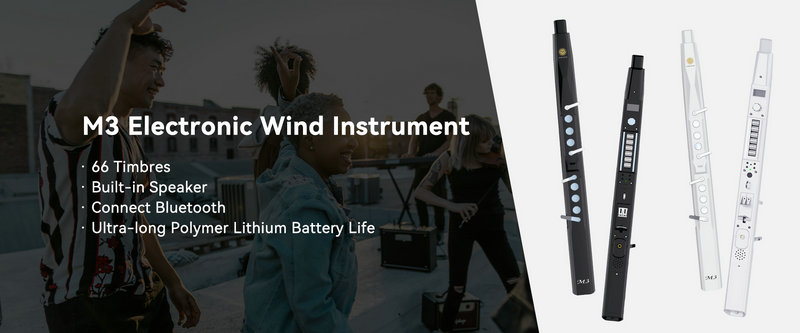
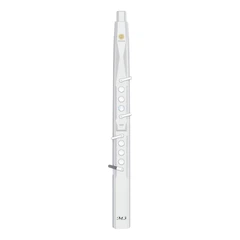
SUNRISE MELODY M3 Electronic Wind Instrument - The best-selling Electronic Wind Instrument
. 66 Timbres
. Built-in Speaker
. Connect Bluetooth
. Ultra-long Polymer Lithium Battery Life