
Learning to play the Hulusi, or any musical instrument, comes with its own set of challenges. However, with the right approach and strategies, these challenges can be effectively managed and even overcome. This detailed guide explores common challenges faced by Hulusi learners and offers coping strategies to enhance the learning experience.
Introduction to Learning Hulusi: The Hulusi is a traditional Chinese wind instrument known for its unique sound and cultural significance. While it offers a wealth of musical opportunities, learning to play it can present various challenges. Understanding these challenges and developing effective coping strategies is crucial for a successful learning journey.
Common Challenges in Learning Hulusi:
Breath Control:
Many beginners struggle with controlling their breath, leading to inconsistent sound production and dynamics.
Embouchure:
Forming the correct embouchure can be difficult, affecting the tone quality and playability of the Hulusi.
Finger Dexterity:
Coordinating finger movements to cover and uncover the holes accurately and quickly is a common challenge.
Articulation:
Beginners often find it hard to articulate notes clearly, leading to a lack of clarity in their playing.
Vibrato Technique:
Mastering the vibrato technique to add expressiveness to the sound can be challenging.
Intonation:
Maintaining accurate intonation, especially when transitioning between notes, is a common issue.
Music Theory:
Understanding music theory concepts and applying them to the Hulusi can be complex for some learners.
Repertoire Building:
Expanding one's repertoire and mastering different musical styles can be daunting.
Technique Development:
Developing advanced techniques such as double tonguing, triple tonguing, and ornamentations can be difficult.
Stage Fright:
Many learners experience anxiety when performing in front of an audience.
Consistency in Practice:
Maintaining a regular and consistent practice routine can be challenging due to various life commitments.
Equipment Issues:
Dealing with issues related to the Hulusi's maintenance and setup can be frustrating for beginners.
Coping Strategies for Learning Hulusi:
Breath Control:
Practice diaphragmatic breathing exercises to improve breath control and support steady airflow.
Embouchure:
Work on forming a relaxed yet firm embouchure to produce a clear and focused sound.
Finger Dexterity:
Engage in finger exercises and scales to improve finger strength, agility, and coordination.
Articulation:
Practice different articulation techniques to ensure clarity and precision in note production.
Vibrato Technique:
Gradually incorporate vibrato into your playing by practicing with a consistent and controlled motion.
Intonation:
Use a tuner to monitor your intonation and adjust your fingerings and embouchure accordingly.
Music Theory:
Study music theory in conjunction with learning the Hulusi to deepen your understanding of the instrument's musical capabilities.
Repertoire Building:
Start with simple pieces and gradually progress to more complex compositions to build your repertoire.
Technique Development:
Break down advanced techniques into smaller components and practice them systematically.
Stage Fright:
Gain confidence by performing in front of a mirror, recording yourself, or playing for a small audience before moving to larger stages.
Consistency in Practice:
Establish a regular practice schedule and set achievable goals for each practice session.
Equipment Issues:
Learn about the proper maintenance and care of your Hulusi to minimize technical issues.
Overcoming Plateaus:
All learners may encounter plateaus in their progress. To overcome these, revisit the basics, seek feedback from teachers or peers, and explore new musical styles or techniques.
The Role of a Teacher:
A qualified Hulusi teacher can provide personalized guidance, constructive feedback, and help tailor your learning experience to your specific needs.
Peer Learning:
Engaging with fellow learners can offer fresh perspectives, motivation, and a supportive environment for learning.
Performance Opportunities:
Seek opportunities to perform in front of others, whether it's at a local venue, school, or online platform, to gain experience and confidence.
Technological Aids:
Utilize apps, metronomes, and recording devices to enhance your practice sessions and track your progress.
Cultural Immersion:
Immerse yourself in the cultural context of the Hulusi by studying Chinese music history, attending concerts, and listening to traditional Chinese music.
Physical Well-being:
Maintain good physical health through regular exercise, a balanced diet, and adequate rest to support your musical performance and practice.
Mental Well-being:
Cultivate a positive mindset, manage stress, and stay motivated through mindfulness practices, goal setting, and celebrating small achievements.
Conclusion: Learning to play the Hulusi is a rich and rewarding experience that comes with its own set of challenges. By understanding these challenges and employing effective coping strategies, you can navigate your learning journey with greater ease and success.
This guide has provided an in-depth look at the common challenges faced by Hulusi learners and offered a variety of strategies to overcome them. Remember, the key to mastering the Hulusi lies in consistent practice, patience, and a deep appreciation for the instrument's cultural and musical heritage.
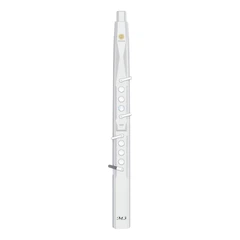
SUNRISE MELODY Electric hulusi flute instrument
Chinese hulusi flute instrument has a unique ethnic style and is extremely ethnic.
And it has a good volume and 10 timbres, it is easy to learn and simple to use, especially suitable for beginners.
6 Major Core Selling Points, a variety of innovative functions to meet different performance needs:
10 kinds of timbres
Touchable octave
Connect headphones
Four fingerings
Built-in battery
Built-in speakers