
Apart from breathing exercises, numerous elements can influence the sound quality of the hulusi. The construction and materials of the instrument are of paramount importance. The type of bamboo or wood used, as well as the craftsmanship in shaping and hollowing it out, can have a profound impact.
For instance, if the bamboo is too young or too mature, it might not have the ideal density and elasticity to produce a rich and resonant sound. A skilled maker will select bamboo with the right properties and carefully carve out the chambers and holes to optimize the airflow and tonal qualities.
The size and shape of the hulusi also matter. A larger hulusi might produce a deeper and more resonant bass, while a smaller one could have a brighter and higher-pitched tone. The proportions of the various components, such as the length of the main tube, the size of the sound holes, and the position of the reed, all contribute to the overall sound character.
The quality of the reed or the membrane used in the hulusi is another critical factor. A well-made and properly positioned reed can enhance the clarity and expressiveness of the sound. A poor-quality or misaligned reed might result in a muffled or inconsistent tone.
The way the holes are positioned and sized affects the ease of playing and the pitch accuracy. If the holes are too large or too small, or if they are not spaced correctly, it can make it difficult to produce accurate notes and smooth transitions between them.
The player's embouchure, or the way the lips and mouth are positioned when blowing into the instrument, is highly significant. A slight change in the angle or pressure of the lips can greatly influence the tone, volume, and timbre of the sound produced. Different players might develop their unique embouchures based on their physical characteristics and playing style.
The technique of finger placement and movement on the holes is also essential. Precise and smooth finger action ensures clean and accurate note transitions, minimizing any unintended fluctuations in pitch or tone.
The environment in which the hulusi is played can have an effect. Acoustics of the room, humidity, and temperature can all impact the sound. In a dry environment, the wood might shrink slightly, affecting the instrument's tuning and sound quality.
The type and quality of the strings or ties used to secure the reed or membrane can also make a difference. Strong and properly tensioned strings can help maintain the stability and integrity of the sound-producing components.
The player's level of musicality and interpretation also play a role. Understanding the musical piece, its dynamics, and expression, and being able to convey those through the playing of the hulusi is crucial for achieving a high-quality sound.
Practice and experience are vital factors. Regular and focused practice helps the player develop muscle memory, fine-tune their control over the instrument, and become more familiar with its nuances, ultimately improving the sound quality.
The quality of the accessories, such as the mouthpiece or cap, can also have a subtle but noticeable impact. A well-fitted and designed mouthpiece can enhance the comfort and efficiency of blowing, contributing to a better sound.
Let's consider a scenario where a beginner is using a poorly constructed hulusi with uneven holes and a subpar reed. Despite their best efforts in breathing and playing technique, the sound produced is likely to be less than satisfactory. However, when they upgrade to a well-made instrument and continue to work on their skills, the improvement in sound quality can be remarkable.
Another example could be a seasoned player who has mastered all the technical aspects but fails to convey the emotional depth of the music. The sound might be technically correct but lack the soul and expressiveness that truly makes the playing come alive.
In conclusion, achieving a superior sound quality on the hulusi is a combination of multiple factors, including the instrument's construction, the player's technique, and their musical interpretation. By paying attention to all these aspects and constantly striving for improvement, players can unlock the full potential of this beautiful instrument and create truly captivating sounds.
I hope this detailed discussion has provided you with a comprehensive understanding of the various factors influencing the sound quality of the hulusi. If you have any further questions or need additional insights, feel free to ask.
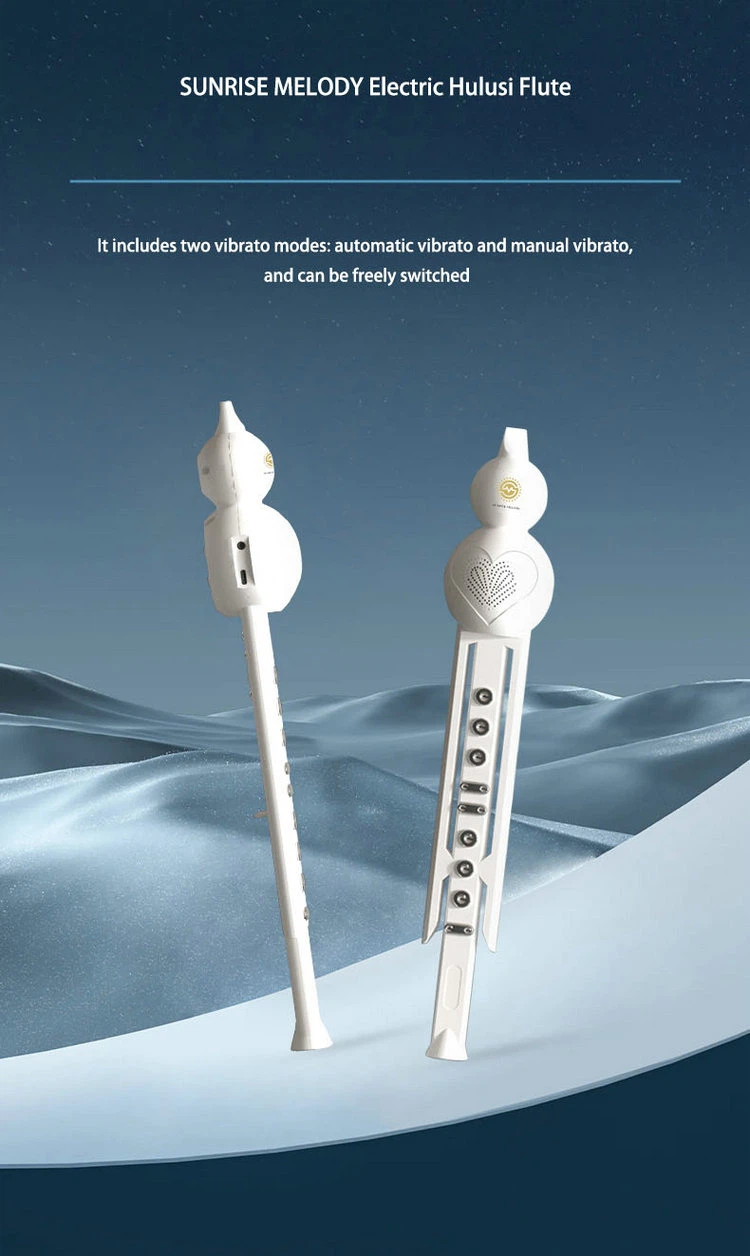
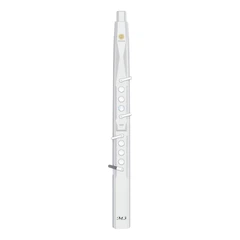
SUNRISE MELODY Electric hulusi flute instrument
Chinese hulusi flute instrument has a unique ethnic style and is extremely ethnic.
And it has a good volume and 10 timbres, it is easy to learn and simple to use, especially suitable for beginners.
6 Major Core Selling Points, a variety of innovative functions to meet different performance needs:
10 kinds of timbres
Touchable octave
Connect headphones
Four fingerings
Built-in battery
Built-in speakers