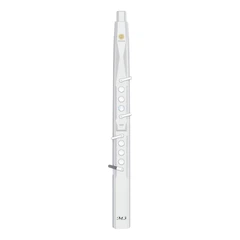


In an electric flute, the process of generating sound is quite different from that of a traditional acoustic flute. Unlike an acoustic flute where the vibration of air within the instrument's column creates the sound, an electric flute typically relies on electronic components and mechanisms to produce the desired tones.
At the heart of an electric flute's sound production is often a combination of elements. One of the key components is a sensor or a set of sensors that detect the player's actions, such as blowing air into the mouthpiece, pressing the keys, or manipulating other control elements. These sensors can take various forms, including pressure sensors, breath sensors, and position sensors.
When the player blows into the mouthpiece of the electric flute, a breath sensor detects the force and velocity of the air. This information is then translated into an electrical signal. The breath sensor might work based on principles such as a diaphragm that flexes in response to the air pressure or a flow meter that measures the volume of air passing through.
Simultaneously, as the player presses the keys on the flute, pressure sensors or position sensors detect the movement and pressure applied. These sensors are strategically placed on the keys or pads and can determine the specific notes or pitches that the player intends to produce.
Once the sensor detects these actions, the electrical signals generated are sent to a processing unit or circuitry within the flute. This processing unit analyzes the signals and uses them to trigger or control a sound generation mechanism.
The sound generation in an electric flute can occur through different methods. One common approach is digital synthesis. Digital synthesis involves creating sound waveforms using mathematical algorithms and digital signal processing techniques. These waveforms are then shaped and modified to produce the desired pitch, timbre, and other sonic characteristics.
For example, the processing unit might generate a basic sine wave and then apply various filters, envelopes, and modulation effects to create a flute-like tone. The filters can control the frequency response, giving the sound its tonal color and shaping the highs and lows. Envelopes can determine how the sound starts, sustains, and decays over time, mimicking the natural attack and decay of a flute note.
Another method of sound generation in electric flutes is through the use of pre-recorded samples. These samples are digital recordings of actual flute sounds or similar instruments. When the player plays a note, the corresponding sample is triggered and played back. The samples can be manipulated and processed in real-time to adjust the pitch, duration, and other parameters based on the player's input.
In some advanced electric flutes, a combination of synthesis and sampling techniques is employed to achieve a more realistic and versatile sound. The synthesis provides the flexibility to create unique and custom sounds, while the samples add authenticity and familiarity to the overall tone.
The vibrating elements in an electric flute, therefore, are not physical materials like the air column in an acoustic flute but rather the electrical signals and digital processes that are triggered and manipulated by the player's actions.
The quality and character of the sound produced by an electric flute depend on several factors. The resolution and accuracy of the sensors, the sophistication of the processing algorithms, the quality of the digital synthesis or sample libraries, and the overall design of the electronic circuitry all contribute to the final sound output.
For instance, higher-resolution sensors can capture more subtle and nuanced player actions, allowing for greater expressiveness. Sophisticated processing algorithms can create more complex and realistic sound variations. High-quality sample libraries with detailed and accurate recordings provide a more authentic foundation for the generated sounds.
The design of the electronic circuitry also plays a role in minimizing noise, ensuring stable performance, and optimizing the power consumption of the instrument.
In addition to the basic sound generation components, other factors can affect the final sound quality. The amplifier and speaker system within the electric flute, if it has built-in audio output, can influence the volume, clarity, and tonal balance of the sound. The quality of the audio interface or connection when the flute is connected to external audio equipment also matters.
Some electric flutes offer additional features for sound customization. Players can adjust parameters such as reverb, chorus, delay, and other effects to further shape and enhance the sound to their liking. These effects can simulate different acoustic environments or add creative elements to the performance.
It's important to note that the perception of the sound produced by an electric flute can also be influenced by the player's technique and playing style. Just like with an acoustic instrument, a skilled player can extract more expressiveness and musicality from the electric flute by manipulating the breath control, finger pressure, and phrasing.
In conclusion, the process of sound generation in an electric flute is a complex interplay of sensors, electronics, signal processing, and sound synthesis or sampling techniques. Understanding how these elements work together helps us appreciate the capabilities and potential of this modern musical instrument.
SUNRISE MELODY M3 Electronic Wind Instrument - The best-selling Electronic Wind Instrument
. 66 Timbres
. Built-in Speaker
. Connect Bluetooth
. Ultra-long Polymer Lithium Battery Life