
The sound quality of an electric flute is influenced by a multitude of factors, each contributing in its own way to the overall sonic experience. Let's delve into these factors in detail.
One of the primary factors is the type and quality of the sound generation mechanism. This could be digital synthesis, sample playback, or a combination of both. Digital synthesis relies on algorithms and waveforms to create sounds. The complexity and sophistication of these algorithms greatly impact the authenticity and richness of the tones produced. High-quality synthesis engines can generate a wide range of frequencies and timbres, allowing for more realistic and expressive sounds.
Sample playback, on the other hand, uses pre-recorded audio samples of actual flute sounds. The quality and quantity of these samples play a crucial role. Samples with higher resolution and recorded in optimal conditions capture more nuances and details of the original instrument's sound. Additionally, the way these samples are triggered and manipulated in response to the player's input affects the smoothness and naturalness of the sound.
The sensor technology employed in the electric flute is another significant factor. Sensors detect the player's actions, such as breath pressure, key presses, and lip position. The accuracy and sensitivity of these sensors determine how precisely the player's intentions are translated into the generated sound. High-quality sensors can capture even the subtlest variations in the player's technique, resulting in a more dynamic and responsive playing experience.
The build quality and materials of the flute itself also contribute to the sound. The body of the flute, whether made of plastic, metal, or a combination of materials, can affect the resonance and vibration characteristics. A well-constructed body with proper internal damping and acoustical properties can enhance the clarity and projection of the sound.
The electronics and circuitry within the flute play a vital role. The quality of components such as capacitors, resistors, and integrated circuits affects the signal processing and amplification. Poor-quality components can introduce noise, distortion, or limited frequency response, degrading the overall sound quality.
The software and firmware that control the flute's functions are equally important. Updates and optimizations to the software can improve sound algorithms, add new features, and fix potential bugs that might affect the performance. A user-friendly interface and customizable settings within the software allow players to fine-tune the sound to their preferences.
The speaker or audio output system is a critical component. The quality of the speakers, their frequency response, and power handling capabilities influence how the generated sound is ultimately heard. High-quality speakers with a wide frequency range can reproduce the full spectrum of the flute's tones accurately.
The connection and interface options for connecting the electric flute to external devices also matter. USB, MIDI, or audio interfaces of good quality ensure a stable and low-latency connection, allowing for seamless integration with other music equipment and software.
The design of the flute's key system affects playability and, consequently, sound quality. Keys that are ergonomically designed, have smooth action, and offer proper tactile feedback enable the player to perform with greater control and precision. This leads to more accurate note production and better expression.
The quality of the power supply, whether it's battery-powered or uses an AC adapter, can impact the stability and consistency of the electronics. Fluctuations in power can cause variations in sound output and potentially introduce unwanted artifacts.
The settings and parameters available for adjusting the sound, such as tone color, pitch bend, vibrato, and effects, provide players with the ability to shape the sound to their desired aesthetic. The range and smoothness of these adjustments contribute to the flexibility and creativity in achieving the desired sound.
Environmental factors can also have an influence. Temperature and humidity changes can affect the performance of electronic components and the physical properties of materials, potentially altering the sound. Playing in different acoustic spaces can further affect how the sound is perceived.
The player's technique and breath control are essential factors. Even with a high-quality electric flute, a player's skill and ability to manipulate breath pressure, embouchure, and finger technique significantly impact the sound quality. A skilled player can extract the best possible sound from the instrument.
Brand reputation and manufacturing standards also play a role. Established brands with a history of producing quality musical instruments often have better research and development, quality control, and customer support, which can translate to a more reliable and superior-sounding product.
Finally, the compatibility and integration with other music equipment and software in a setup can affect the overall sound quality. Compatibility issues or improper settings when connecting to amplifiers, effects pedals, or digital audio workstations can lead to less than optimal sound results.
In conclusion, achieving a high-quality sound from an electric flute involves a combination of factors related to the instrument's design, technology, construction, and the player's skills and setup. Attention to each of these aspects is crucial for obtaining a rich, expressive, and satisfying sonic experience.
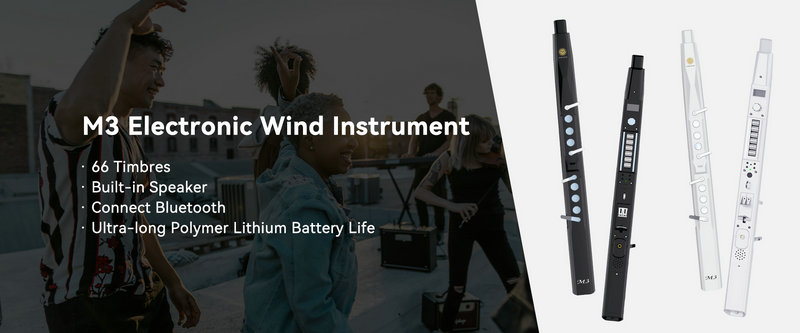
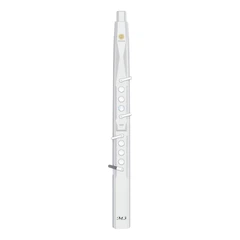
SUNRISE MELODY M3 Electronic Wind Instrument - The best-selling Electronic Wind Instrument
. 66 Timbres
. Built-in Speaker
. Connect Bluetooth
. Ultra-long Polymer Lithium Battery Life